


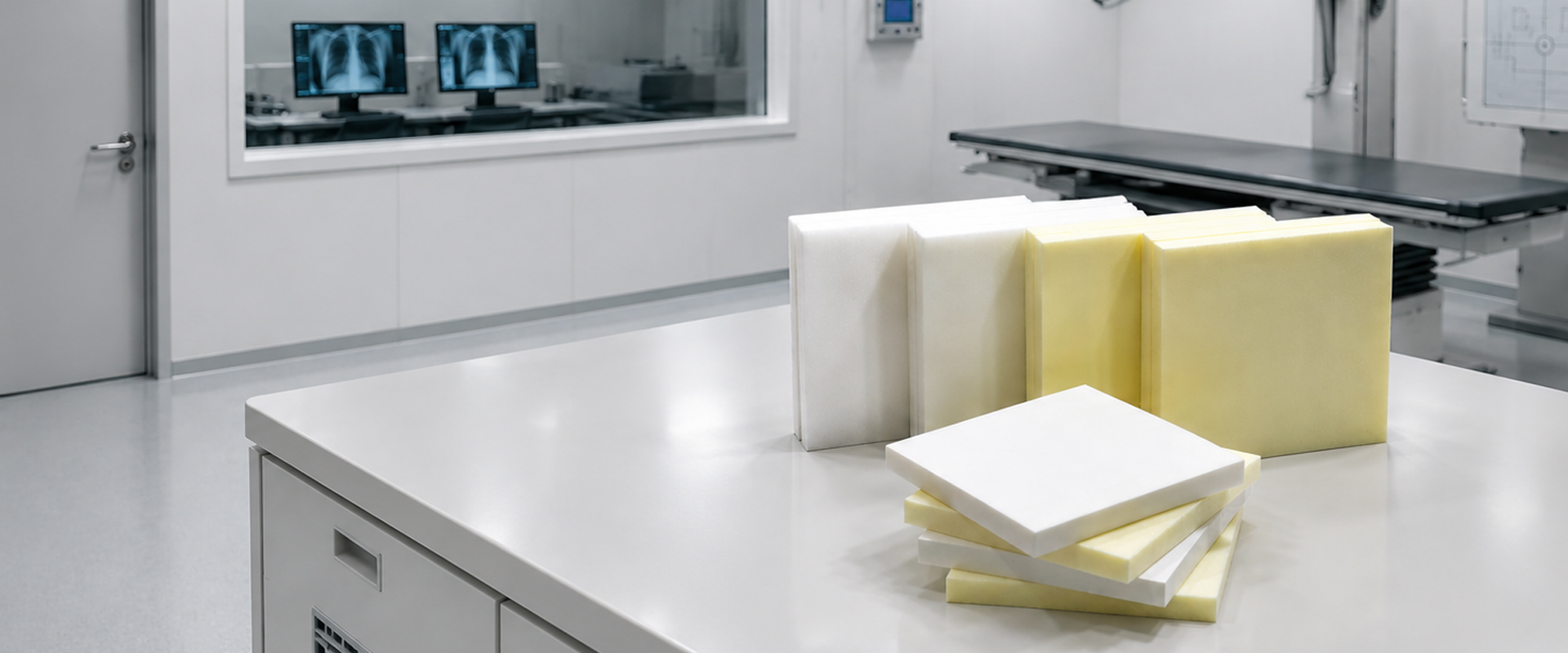

What is JLon PMI Foam Core?
High-Performance Structural Foam Core for Composite Sandwich Structures
PMI (Polymethacrylimide) foam core is a rigid closed-cell structural core material designed for high-performance composite sandwich structures requiring exceptional thermal resistance, lightweight strength, and dimensional stability.
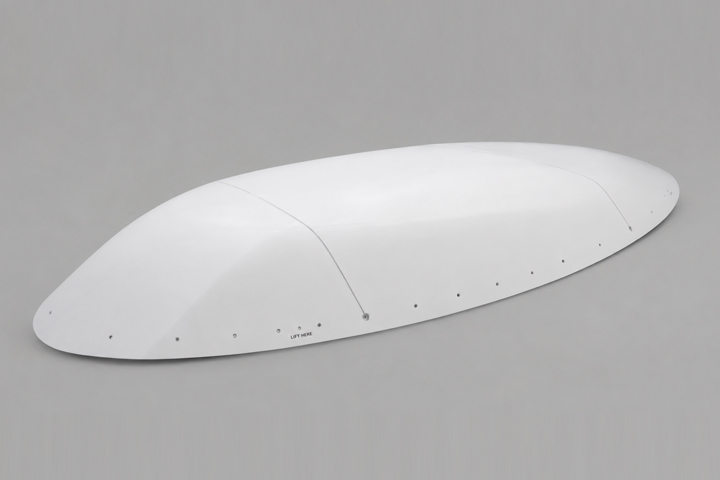
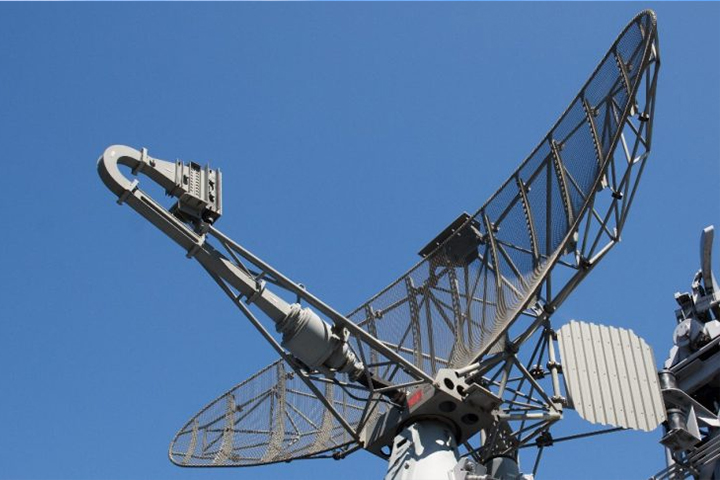
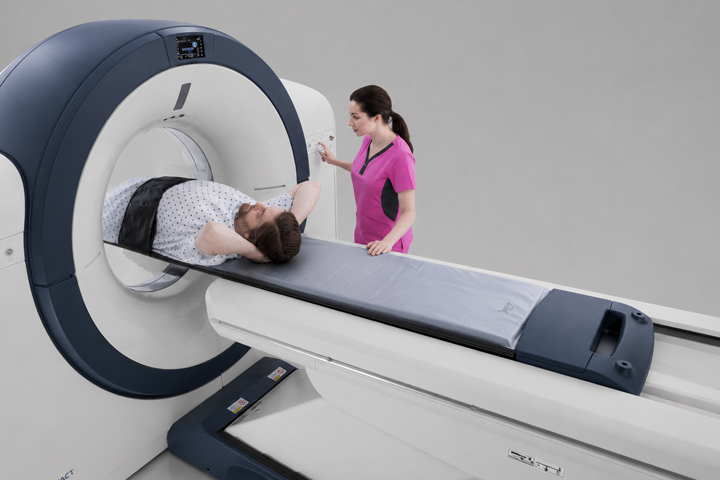
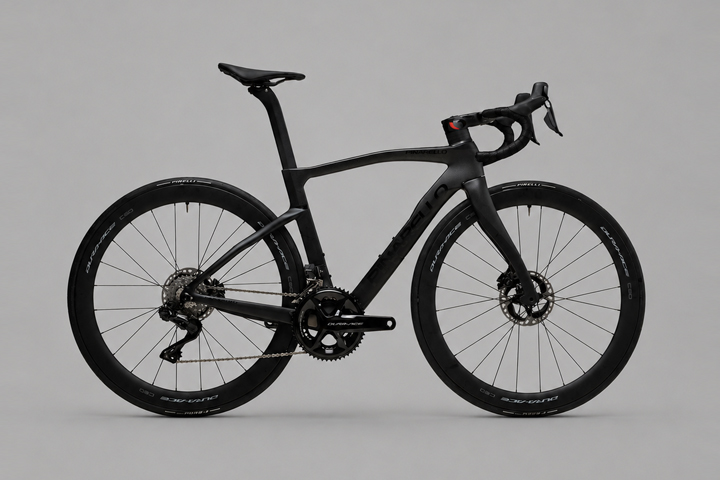
PMI foam core is widely used in aerospace structures, radar radomes, RF antennas, satellite communication systems, UAV components, and medical imaging equipment where lightweight, dielectric transparency, and thermal stability are critical.
Compared with traditional PVC foam, PET foam, and honeycomb cores, PMI foam core performs significantly better in elevated-temperature curing processes and high-pressure autoclave environments.
Its unique molecular structure allows it to maintain mechanical integrity during curing cycles up to 210°C, making it one of the preferred PMI foam core materials for aerospace, radar, medical, and advanced industrial composite applications.
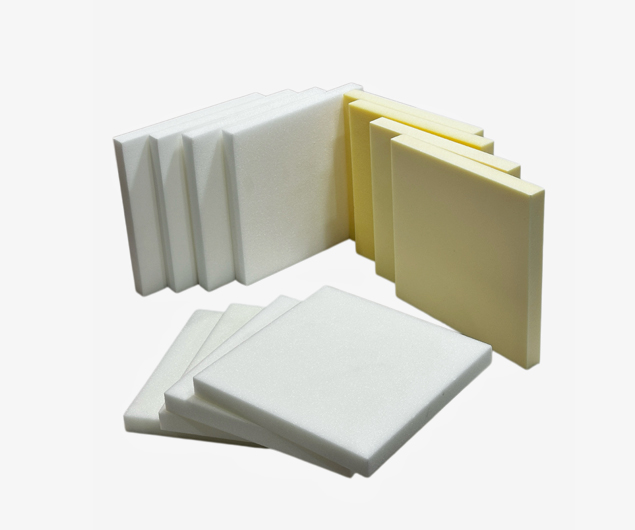
JLon PMI Foam Series
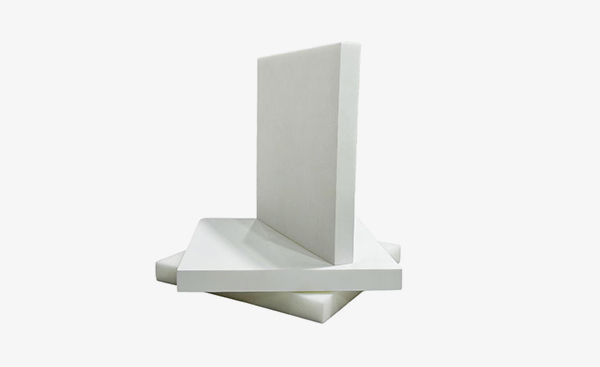
F Series: Extreme High-Temperature Solution
Thermal Resistance: 150℃ - 220℃ (Heat-treated versions withstand 190℃ , 0.7 MPa constant pressure).
Primary Use: Designed for BMI (Bismaleimide) resin systems; supports curing and post-curing up to 210℃.
Key Advantage: Industry-leading dimensional stability under the most demanding autoclave environments.
JLon PMI Foam F Series Specifications
| Category | Standard | Unit | Result | F32 | F52 | F75 | F110 |
| Density | ISO 845 | kg/m³ | Average | 32 | 52 | 75 | 110 |
| Tolerance | ±7 | ±12 | ±15 | ±21 | |||
| Compressive Strength | ISO 844:2006 | MPa | Average | 0.43 | 1.03 | 1.84 | 3.31 |
| Compressive Modulus | ISO 844:2006 | MPa | Average | 12.5 | 42.4 | 76.3 | 118.6 |
| Shear Strength | ASTM C273:2012 | MPa | Average | 0.42 | 0.78 | 1.33 | 2.56 |
| Shear Modulus | ASTM C273:2012 | MPa | Average | 11.6 | 21.3 | 37.3 | 53.4 |
| Tensile Strength | ASTM D638 | MPa | Average | 1.11 | 1.86 | 2.73 | 4.08 |
| Tensile Modulus | ASTM D638 | MPa | Average | 36.4 | 69.6 | 114.6 | 148.7 |
| Category | Standard | Unit | Result | F32 | F52 | F75 | F110 |
| Category | Standard | Unit | F32 | F52 | F75 | F110 |
| Thermal Conductivity | EN 12667 | W/(m·K) | 0.029 | 0.03 | 0.032 | 0.035 |
| Heat deflection temperature | DIN 53424 | °C | 190 | 190 | 190 | 190 |
| Dissipation Factor | ASTM D 2520 | / | 0.0002 | 0.0003 | 0.0005 | 0.0007 |
| Dielectric Constant | ASTM D 2520 | / | 1.03 | 1.05 | 1.08 | 1.11 |
| Category | Standard | Unit | F32 | F52 | F75 | F110 |
| BLOCK Specification | Length | mm | 2500 | 2500 | 2500 | 2200 |
| Width | mm | 1250 | 1250 | 1250 | 1100 | |
| Thickness | mm | 120 | 105 | 90 | 80 | |
| Contour Sheet Spec. | Length | mm | 1250 | 1250 | 1250 | 1125 |
| Width | mm | 1250 | 1250 | 1250 | 1150 | |
| Thickness | mm | 5~65 | 5~65 | 5~65 | 5~65 | |
| Flat Sheet Spec. | Thickness | mm | 1~120 | 1~105 | 1~90 | 1~80 |
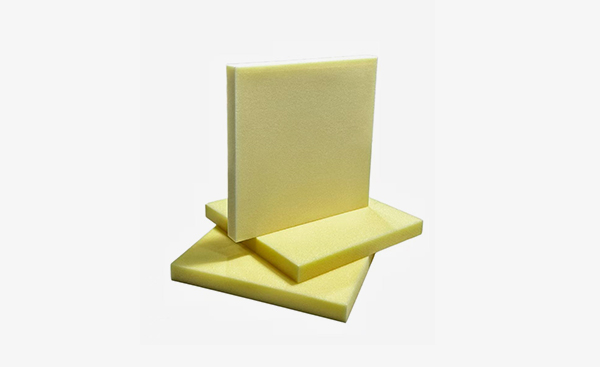
TE Series: Versatile Mid-Temperature Solution
Thermal Resistance: 120℃ - 160℃.
Processing Pressure: 0.3 - 0.6 MPa.
Primary Use: Optimized for standard epoxy resin systems using RTM, VARTM, HP-RTM, or Vacuum Bagging.
Key Advantage: Similar strength with F series and more cost-efficiency.
JLon PMI Foam TE Series Specifications
| Category | Standard | Unit | Result | TE52 | TE60 | TE75 | TE110 |
| Density | ISO845 | kg/m³ | Average | 52 | 60 | 75 | 110 |
| Range | ±6 | ±8 | ±12 | ±16 | |||
| Compressive Strength | ISO844:2006 | MPa | Average | 0.92 | 1.24 | 1.87 | 3.42 |
| Compressive Modulus | ISO844:2006 | MPa | Average | 38.6 | 52.2 | 72.4 | 123.4 |
| Shear Strength | ASTMC273:2012 | MPa | Average | 0.76 | 1.03 | 1.55 | 2.48 |
| Shear Modulus | ASTMC273:2012 | MPa | Average | 19.1 | 25.8 | 36.8 | 57.9 |
| Tensile Strength | ASTMD638 | MPa | Average | 1.71 | 2.23 | 2.87 | 4.38 |
| Tensile Modulus | ASTMD638 | MPa | Average | 58.4 | 72.3 | 96.3 | 138.7 |
| Category | Standard | Unit | TE52 | TE60 | TE75 | TE110 |
| Thermal Conductivity | EN12667 | W/(m-K) | 0.031 | 0.033 | 0.035 | 0.038 |
| Heat deflection temperature | DIN53424 | °C | 160 | 160 | 160 | 160 |
| Dissipation factor | ASTMD2520 | / | 0.0003 | 0.0004 | 0.0005 | 0.0007 |
| Dielectric constant | ASTMD2520 | / | 1.05 | 1.06 | 1.08 | 1.11 |
| Category | Standard | Unit | TE52 | TE60 | TE75 | TE110 |
| BLOCK Specification | Length | mm | 2500 | 2500 | 2500 | 2250 |
| Width | mm | 1250 | 1250 | 1250 | 1150 | |
| Thickness | mm | 90 | 85 | 80 | 75 | |
| Contour Sheet Spec. | Length | mm | 1250 | 1250 | 1250 | 1125 |
| Width | mm | 1250 | 1250 | 1250 | 1150 | |
| Thickness | mm | 5-65 | 5-65 | 5-65 | 5-65 | |
| Flat Sheet Spec. | Thickness | mm | 1-90 | 1-85 | 1-80 | 1-75 |



Core Competitive Advantages: Why Choose JLon PMI Foam?
PMI Foam Performance vs Traditional Materials
PMI Foam vs PVC Foam
PMI Foam vs PET Foam
PMI Foam vs Honeycomb
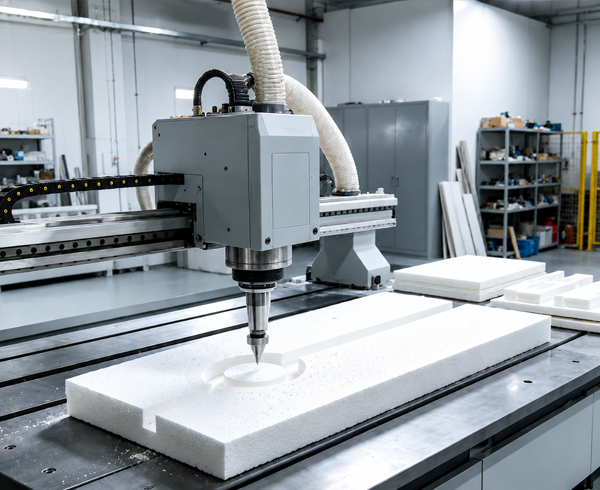
Features a 100% closed-cell structure that requires no complex edge-sealing. It offers excellent CNC machining adaptability for complex geometries.

Process-Specific PMI Foam Core Solutions
Autoclave
Exceptional creep resistance ensures dimensional accuracy under high-temperature and high-pressure cycles.
Customization
We offer two distinct series of PMI foam, TE and F, providing a highly cost-effective range of solutions tailored to meet diverse curing temperature and processing requirements.
Customization
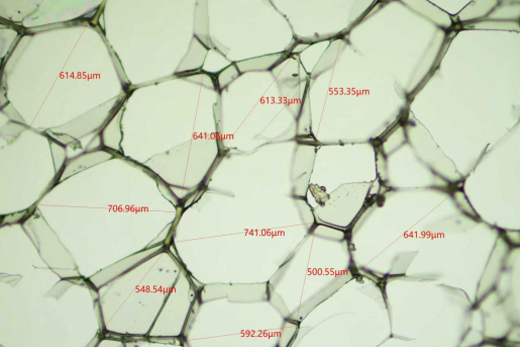
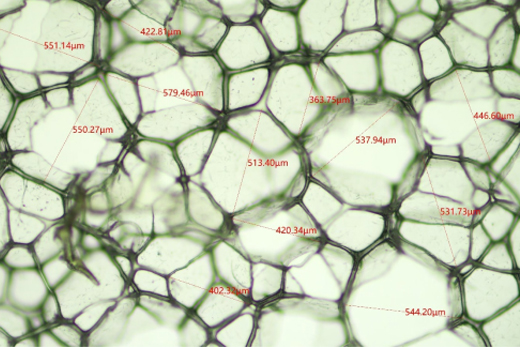
We offer various cell sizes to balance lightweight requirements with the necessary skin-to-core peel strength.
Selection Guide & Product Portfolio
| Selection Suggestion Table | ||||||
| Application | Density (kg/m3) | Curing Temp (∘C) | Recommended Series | |||
| Fishing Floats | 32, 40 | > 140 | F Series | |||
| UAV Propellers/Blades | 52, 75 | 120 - 130 | TE Series | |||
| UAV Propellers/Blades | 52, 75 | > 140 | F Series | |||
| Medical Table Tops | 52, 75 | > 140 | F Series | |||
| High-end RVs | 32 | > 140 | F Series | |||
| Radomes | ||||||
How to choose cell size of PMI foam?
Cell size has small cell 150-350μm, medium cell 300-500μm, coarse cell>500μm. Cell size influences peel strength, the force required to peel the fiber off the PMI foam. Peel strength variation: coarse cell>medium cell>small cell. The larger the cell size, more resin absorption, resulting in higher peel strength.
In applications, small cell can be considered for light weighting, while coarse cell is preferred for higher bonding strength.
PMI Foam Core CNC Machining & Kitting
We provide precision CNC machining and customized PMI foam core kitting services for composite manufacturing.
Why Choose Us?
Case 1 (Aerospace)
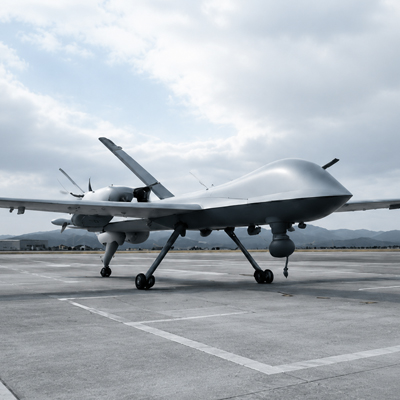
Assisted a client in UAV structural components by switching to our F-Series, eliminating skin-core debonding issues caused by high-pressure autoclave cycles.
Case 2 (Medical)
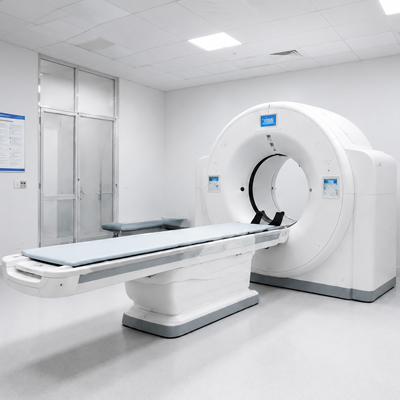
Optimized a radiolucent CT table design, achieving a 15% weight reduction while increasing structural rigidity by 20% compared to previous PET core designs.
FAQ of JLon PMI Foam Core
-
What is PMI foam core used for?
PMI foam core is used in aerospace, UAV, radar radomes, medical imaging, and composite sandwich structures.
-
What temperature can PMI foam core withstand?
Up to 210°C depending on the series.
-
Is PMI foam core suitable for autoclave processing?
Yes, it is specifically designed for autoclave and high-pressure curing environments.
-
What is the difference between TE and F series?
TE is for mid-temperature curing, F is for high-temperature autoclave applications.
-
Can PMI foam core be CNC machined?
Yes, it offers excellent CNC machinability for complex composite structures.
Contact Us
Ready to optimize your composite structure?
Our engineering team is available to assist with material selection, technical data, and custom kitting quotes.