



Lightweight Thermal Barriers for Lithium-Ion Battery Safety
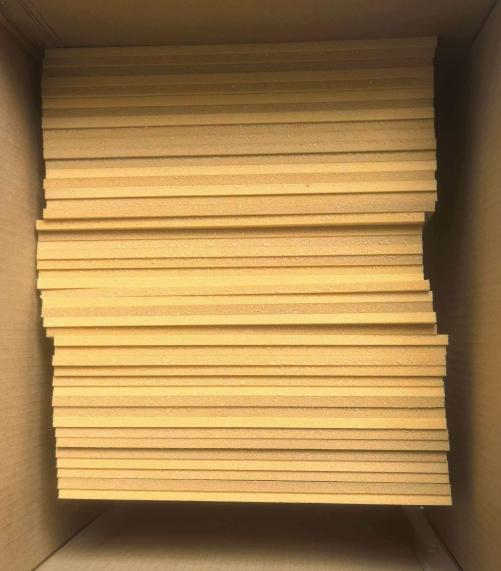
JLON polyimide foam is a lightweight, flexible thermal barrier material developed for demanding lithium-ion battery applications.
It combines thermal insulation, flame resistance, compression recovery and electrical insulation in one material, making it particularly suitable for applications where a conventional rigid thermal barrier alone cannot accommodate battery cell expansion or assembly tolerances.
JLON PI foam can be used from cell level to battery pack level and energy storage cabinet level, including electric vehicle batteries and stationary battery energy storage systems (BESS).

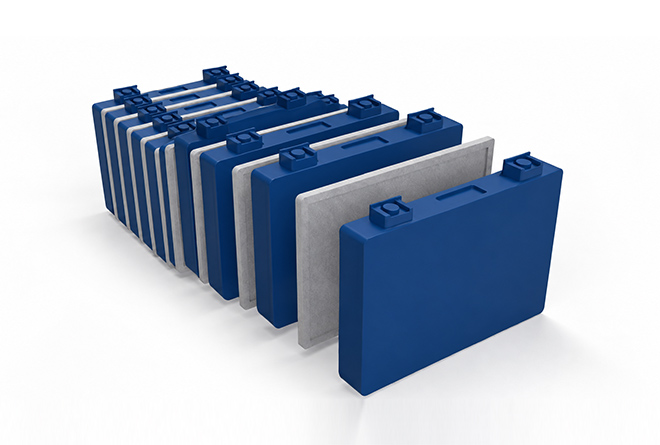
Typical Applications
JLON Core Material
Why Battery Thermal Insulation Is Becoming More Important
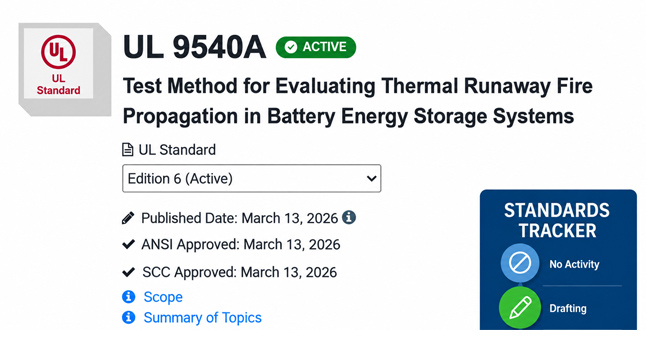
Four Functions in One Battery Thermal Barrier
| Property | Typical Test Data |
| Volume Resistivity | 10¹⁶–10¹⁷ Ω·cm |
| Dielectric Constant @ 1 MHz | 2.8–3.2 |
| Dielectric Loss @ 1 MHz | 0.006–0.007 |
| Dielectric Strength | 1.8 kV/mm |
| Test Item | Condition | Typical Result |
| Thermal Conductivity | 23 ± 2°C | 0.04 W/(m·K) |
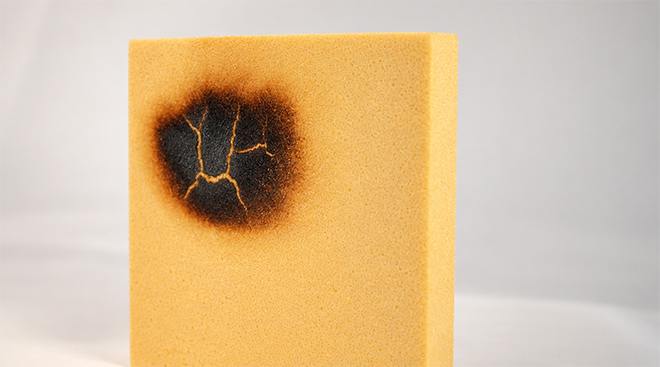
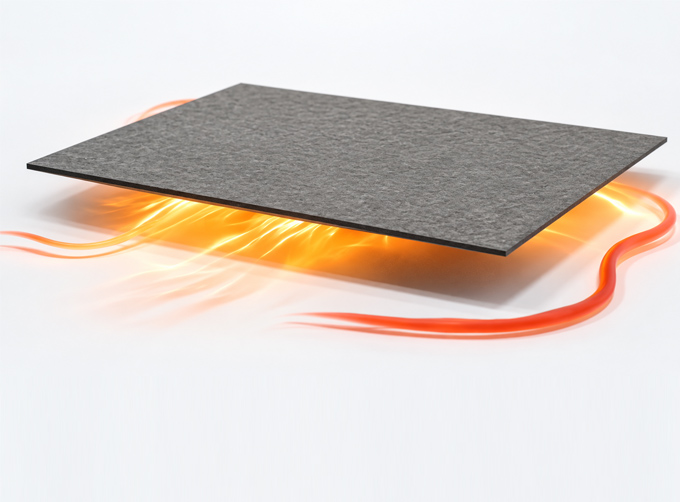
| Thermal Barrier Test | 650°C hot side | Max. cold side ≈172°C |
| Alternating Stress Test | 5–15 MPa | 7% stress loss |
| Compression Set | 50% compression, 50°C × 168 h | <15% |
| Flame Resistance | GB/T 2408-2021 | V-0 level |
| Volume Resistivity | Typical sample | 10¹⁶–10¹⁷ Ω·cm |
| Dielectric Constant | 1 MHz | 2.8–3.2 |
| Dielectric Loss | 1 MHz | 0.006–0.007 |
| Dielectric Strength | Typical sample | 1.8 kV/mm |
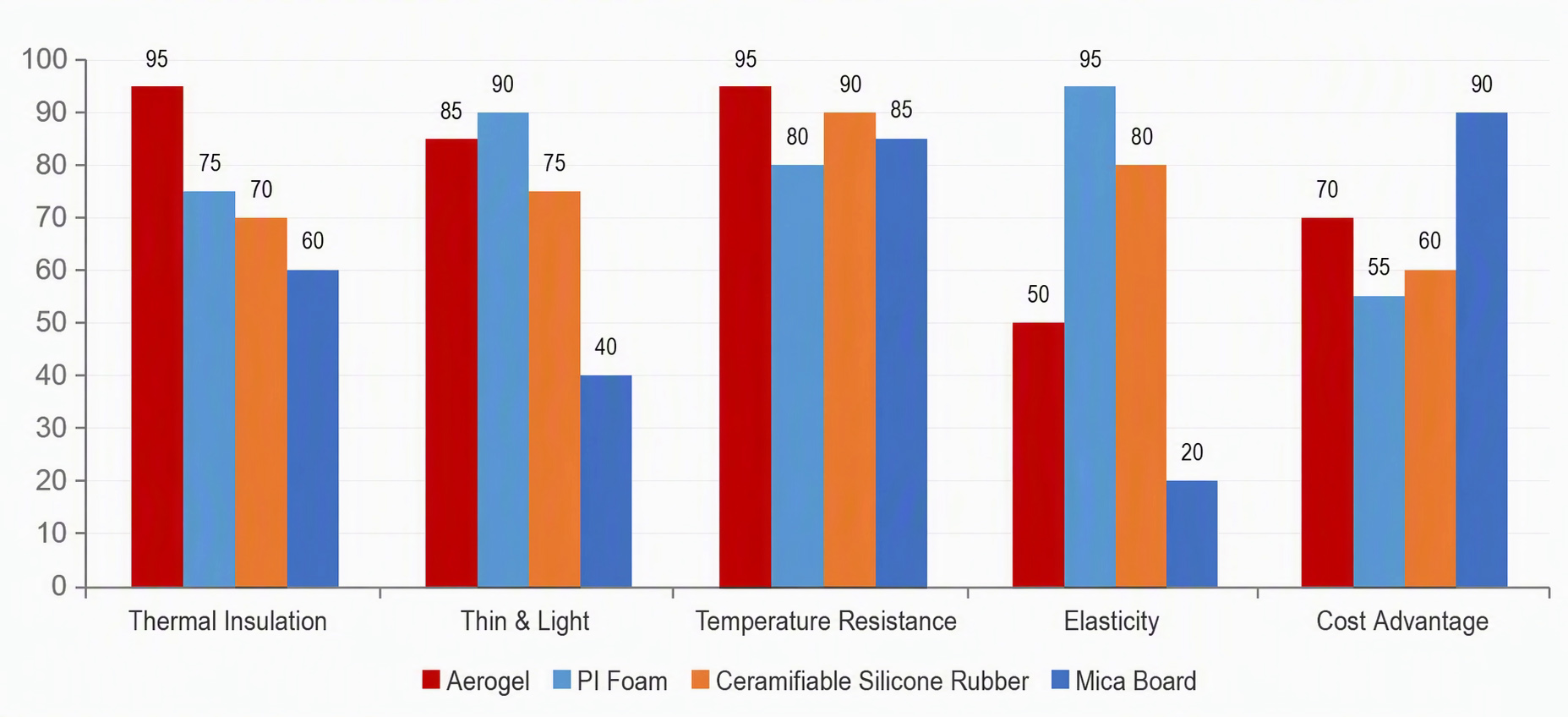
| Material | Thermal Insulation | Flexibility | Compression Recovery | High-Temperature Resistance | Electrical Insulation | Typical Advantage |
| Polyimide Foam | Very Good | Excellent | Excellent | Excellent | Excellent | Multi-functional thermal + cushioning layer |
| Aerogel | Excellent | Limited | Limited | Excellent | Good | Extremely low thermal conductivity |
| Mica | Moderate | Poor | Poor | Excellent | Excellent | Rigid high-temperature electrical insulation |
| Ceramicized Silicone | Good | Good | Good | Excellent | Good | Fire protection and sealing |
Aerogel + PI Foam
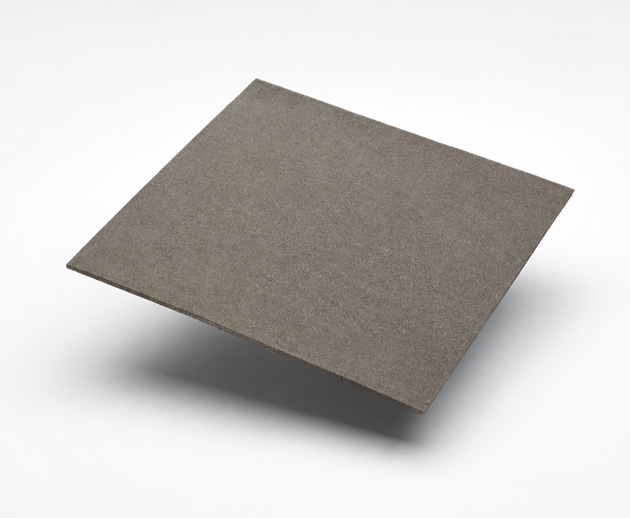
Mica + PI Foam
where rigid electrical and high-temperature protection is combined with a resilient cushioning layer.
Multi-layer thermal barrier structures are increasingly relevant as battery packs become more compact and cell-to-pack or cell-to-chassis architectures reduce available packaging space.
FAQ — Polyimide Foam for EV Battery & Energy Storage
-
What is a battery thermal barrier?
A battery thermal barrier is a passive insulation layer installed between cells, modules or other battery components to reduce heat transfer and help delay thermal runaway propagation.
-
Can polyimide foam be used between lithium-ion battery cells?
Yes. Flexible PI foam is particularly suitable where both thermal insulation and compression recovery are required.
It can help accommodate cell expansion and assembly tolerances while maintaining separation between adjacent cells.
-
Can polyimide foam prevent thermal runaway?
Polyimide foam should not be described as a material that independently “prevents” thermal runaway.
Its function is to act as part of a passive thermal protection system by reducing heat transfer and helping delay thermal propagation to neighboring components.
Final thermal runaway performance must be validated at cell, module, pack or system level.
-
Is polyimide foam suitable for EV batteries?
Yes. Typical applications include cell-to-cell thermal barriers, battery module insulation, pack liners and module-to-enclosure cushioning and insulation.
Its combination of low thermal conductivity, compression recovery and electrical insulation makes it particularly relevant to high-energy-density battery packs.
-
Can PI foam be used in BESS energy storage systems?
Yes.
PI foam can be used at cell, module, pack and cabinet level in battery energy storage systems.
Typical BESS applications include cell spacers, pack liners, cabinet door insulation and enclosure thermal barriers.
-
Is PI foam better than aerogel for battery insulation?
Neither material is universally better.
Aerogel generally provides lower thermal conductivity, while PI foam provides substantially better resilience and compression recovery.
PI foam is therefore particularly useful when a battery thermal barrier must provide both insulation and mechanical compliance.
Hybrid aerogel + PI foam structures may also be considered.
-
Is PI foam better than mica?
Mica provides excellent high-temperature and electrical insulation but is rigid.
PI foam is more suitable where flexibility, cushioning or cell expansion compensation is required.
The two materials can also be combined in multi-layer structures.
-
Can JLON supply die-cut battery insulation parts?
Yes.
PI foam can be supplied as sheets or converted into custom die-cut and CNC-cut components according to customer drawings.
Adhesive-backed parts are also available for easier assembly.
-
What information is required for a quotation?
Please provide the required thickness, density if specified, dimensions, application location, operating temperature, compression requirement, adhesive requirement and expected quantity.
For battery-cell applications, cell type and available spacing are also useful.