This bar serves to notify visitors of important updates

UAV
Home UAV Foam Core Solutions

Lightweight UAV Foam Core Materials - Optimized for Drone Composite Structures

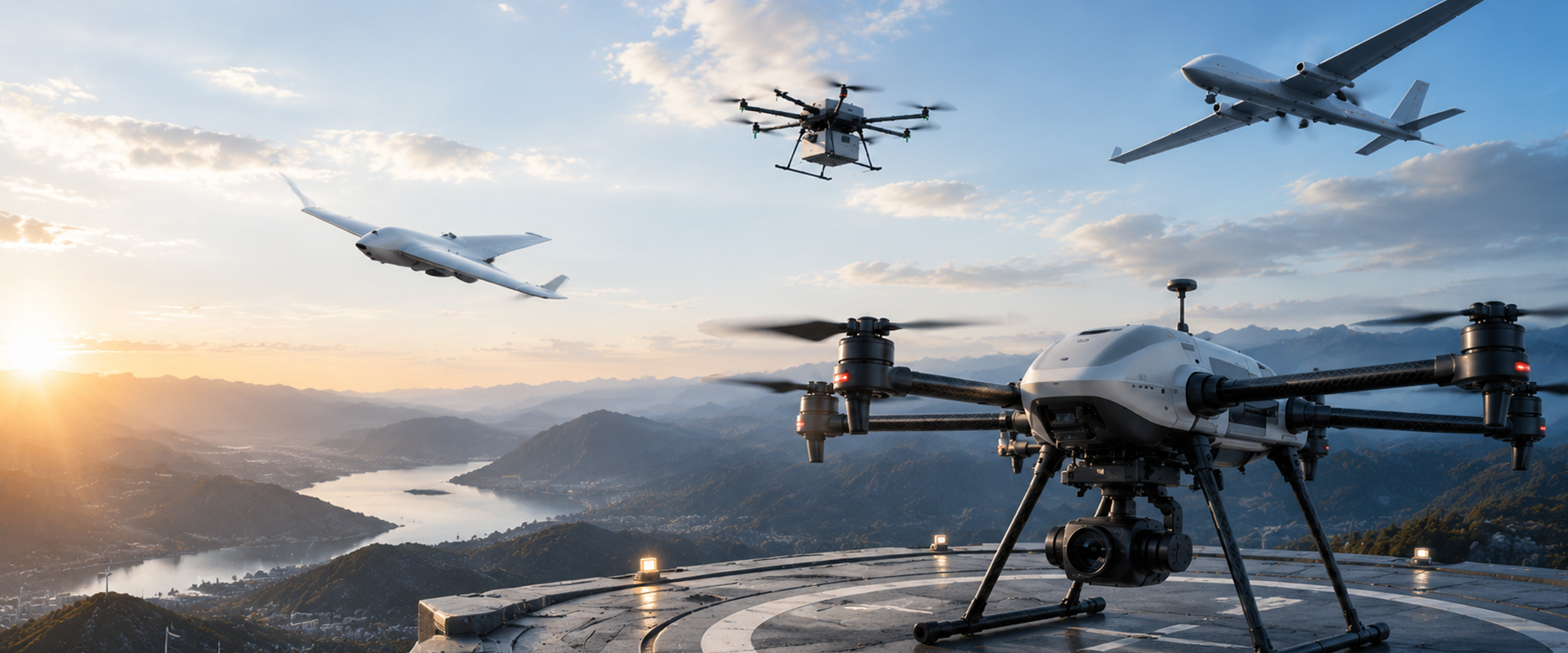
The Unmanned Aerial Vehicle (UAV) industry demands materials that offer the highest strength-to-weight ratio possible without compromising structural integrity or aerodynamic efficiency.

Certified

Lightweight Foam Core Materials for High-Performance UAV Composite Structures

The Unmanned Aerial Vehicle (UAV) industry demands materials that offer the highest strength-to-weight ratio possible without compromising structural integrity or aerodynamic efficiency. Composite sandwich structures, consisting of high-strength skins (like carbon fiber or fiberglass) bonded to a lightweight core, have become the gold standard for manufacturing high-performance UAV airframes .

Our PVC, PMI and PET foam cores are specifically engineered to serve as the central layer in these sandwich composites. From fixed-wing UAVs to multi-rotor platforms, these core materials enable extended flight times, larger payload capacities, and superior maneuverability.
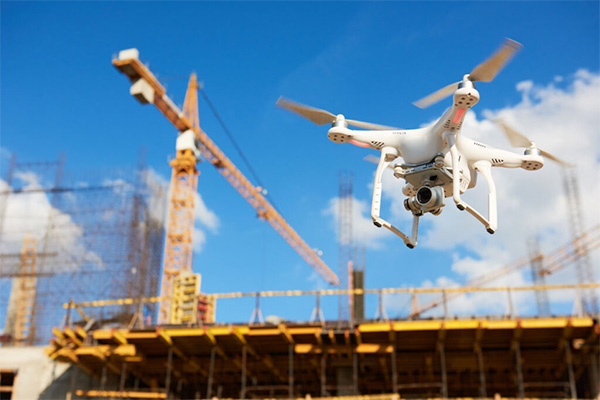
Composite UAV airframe manufactured with lightweight foam core materials

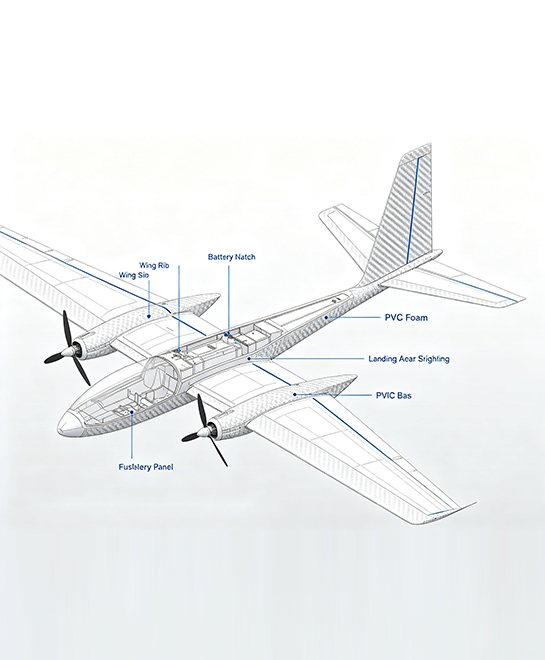
Typical UAV Structure

UAV foam core materials for lightweight drone composite structures
UAV ComponentRecommended Core MaterialReason
Main Wing SparPMI FoamHighest stiffness and compressive strength
Wing SkinPMI FoamLightweight sandwich construction
Wing RibPVC FoamCost-effective with good shear strength
Fuselage ShellPET FoamBalanced strength and recyclability
Payload BayPET FoamHigher compression strength
Landing Gear FairingPVC FoamExcellent impact resistance
Battery HatchPVC FoamEasy machining and toughness
Propeller BladePMI FoamHigh fatigue resistance

PVC Foam Core — General Structures & Impact-Resistant Parts

PVC foam is the most widely used core material in commercial and mid-performance UAVs due to its excellent impact resistance, easy machinability, and cost effectiveness.

Application Areas for PVC in Drones

Fuselage sandwich panels, bulkheads/ribs, wing internal structure (general sections), landing gear fairing cores

Why PVC for These Parts?

Wing structure: Low-density PVC provides sufficient shear stiffness for thin skins while keeping weight minimal. The closed-cell structure prevents resin absorption during infusion.
Bulkheads/ribs: Higher density offers better compression strength for hard-point attachments (servo mounts, landing gear).
Process note: PVC works best with room-temperature to moderate-temperature curing (≤100°C). It is not recommended for high-temperature autoclave prepreg co-curing, as cell collapse may occur.
PVC foam core for UAV sandwich panels and composite airframes
PVC
PVC

PMI Foam Core — High-Performance Primary Structures

PMI foam core for UAV wings fuselage and aerospace composite structures
PMI
PMI (polymethacrylimide) foam is the premium choice for high-end UAVs, especially fixed-wing long-endurance drones and tactical platforms, where maximum stiffness-to-weight and thermal stability are non-negotiable.

Application Areas for PMI in Drones

Main wing spars & shear webs, High-load wing skin panels, Fuselage primary frames, Propeller blades

Why PMI for These Parts?

Wing spars: PMI’s unmatched shear modulus and compressive strength allow thinner cores to carry higher bending loads — critical for high-aspect-ratio wings.
Primary structures: Its co-curing capability with carbon/epoxy prepregs eliminates secondary bonding steps, reducing cycle time and improving structural integrity.
Process note: PMI is the only foam in our portfolio that withstands 180°C autoclave cycles without deformation. Use it when your process demands high temperature and pressure.

PET Foam Core — Fuselage & Secondary Structures (Sustainable Choice)

PET foam offers balance between mechanical performance, thermal resistance, and recyclability. It is increasingly adopted by UAV designers with sustainability targets.
PET foam core for large UAV structures and lightweight composite panels
PET
PET
Lightweight UAV composite structures using PMI, PVC and PET foam core

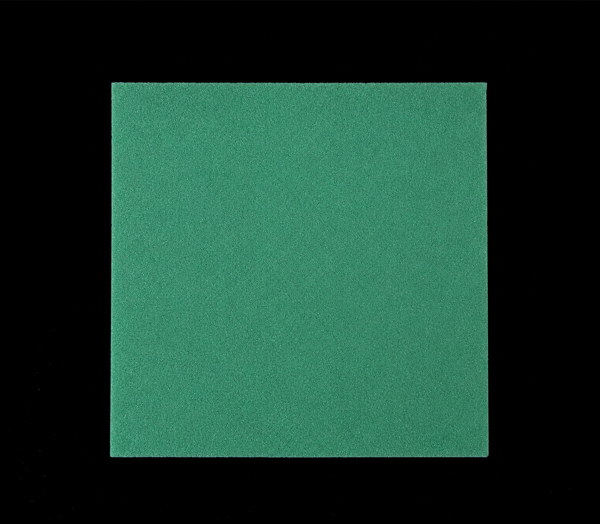
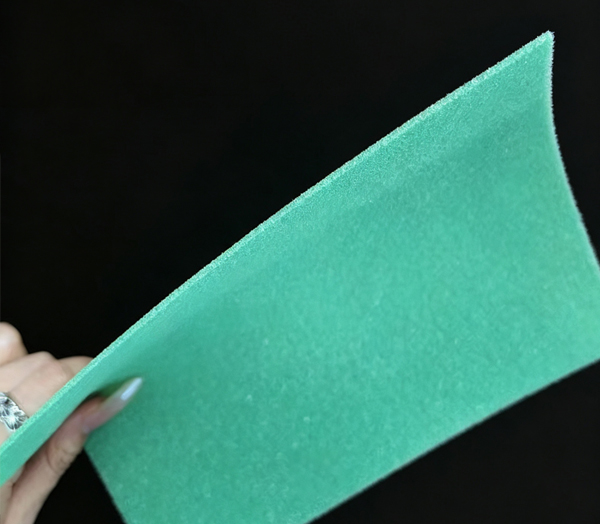
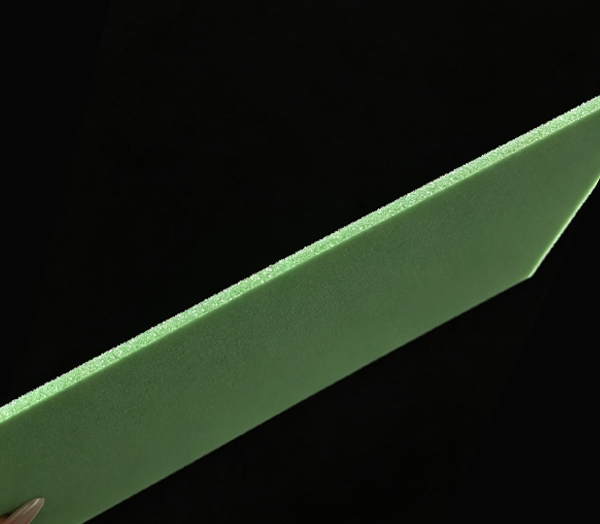
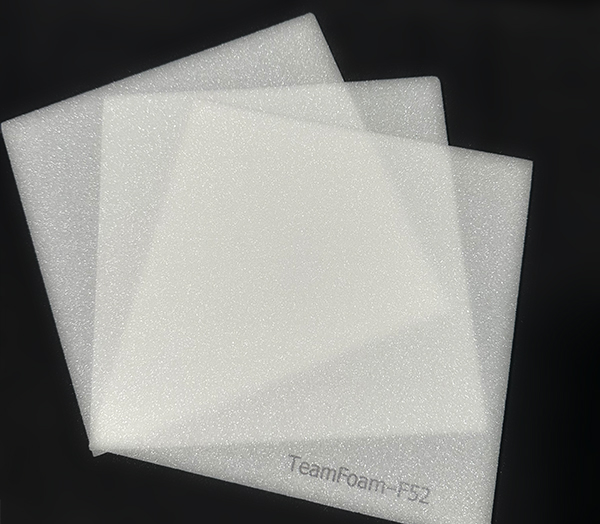
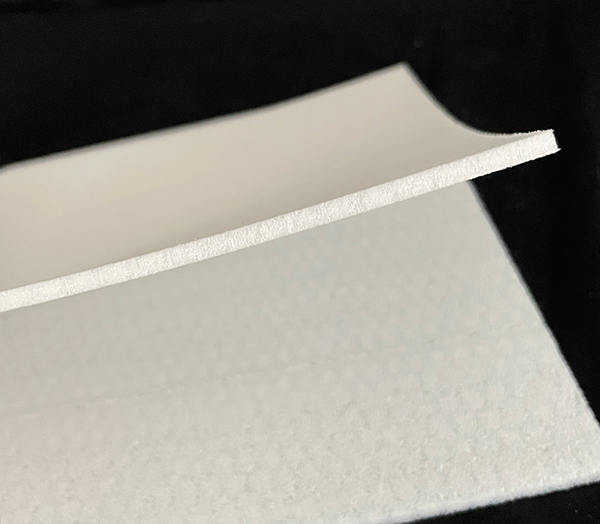
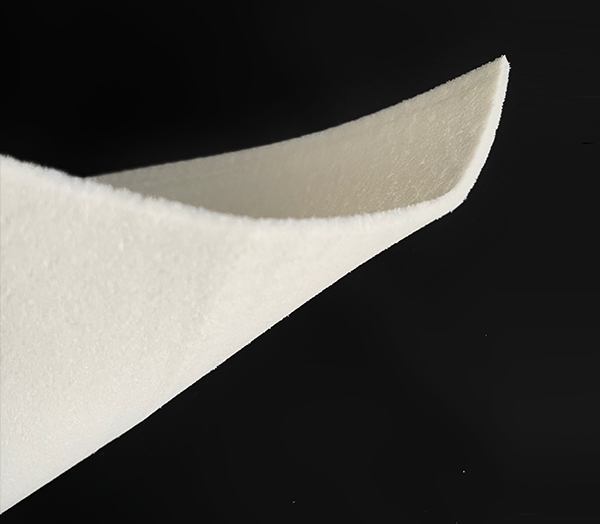
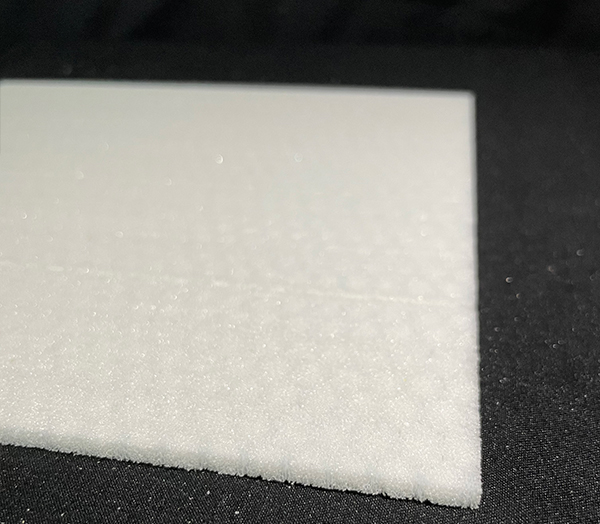
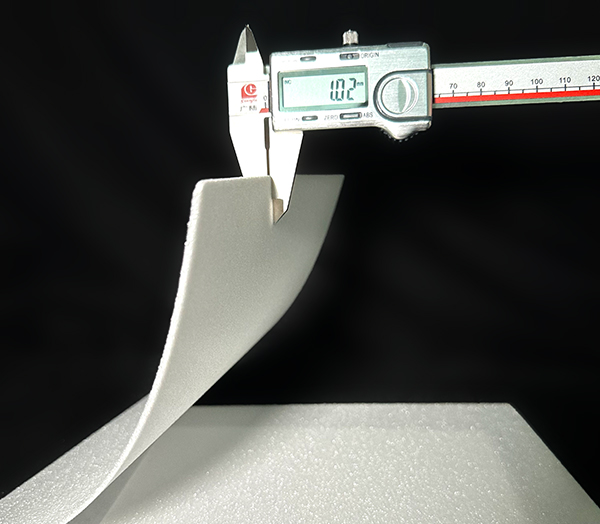
Ultra-Thin Foam Core Sheets: Precision-Engineered for Every UAV Structur

Our advanced thin foam core sheets are engineered specifically for UAV applications where every fraction of a millimeter matters. Available in thicknesses as low as 1.0 mm these ultra-thin cores deliver exceptional durability with ultra-high precision .All three grades are manufactured with thickness tolerances of ±0.3 mm, ensuring consistent core thickness across large panels. This precision is not a luxury—it is a necessity.

Why Ultra-Thin Matters:

Enables micro-sandwich constructions for weight-critical components
Thickness tolerance of ±0.3 mm ensures consistent performance
Ideal for UAV body panels, propeller blades, control surfaces, and wing skins
Maintains structural integrity while achieving minimum mass

Recommended Density for UAV Components

UAV ComponentRecommended FoamDensity
Wing skinPMI52–75 kg/m³
Wing sparPMI75–110 kg/m³
Wing ribPVC60–80 kg/m³
Fuselage shellPET80–100 kg/m³
Payload bayPET100–150 kg/m³
Battery compartmentPVC80–100 kg/m³
Landing gear fairingPVC80–100 kg/m³
The density recommendations above serve as a general guideline. The optimal foam density depends on structural loads, laminate schedule, manufacturing process, and flight requirements. Contact our engineers for application-specific recommendations.

How to Choose Right Foams for UAV — PVC vs. PET vs. PMI for Drone Cores

FeaturePVCPETPMI
Core StrengthModerateModerateHighest
Max Process Temp~130°C~150°C~180°C
Best FitGeneral structures, impact zonesFuselage, sustainable projectsPrimary load-bearing parts
Key AdvantageCost-effective & toughRecyclable & heat-resistantCo-curable with prepreg
Density Range40–100 kg/m³80–150 kg/m³52–110 kg/m³
Thickness Range1.0–10 mm1.0–10 mm1.0–10 mm
Need help deciding? Our engineering team can analyze your structural requirements and recommend the optimal core material for every component of your UAV.

Complete Composite Material System for UAV Manufacturing
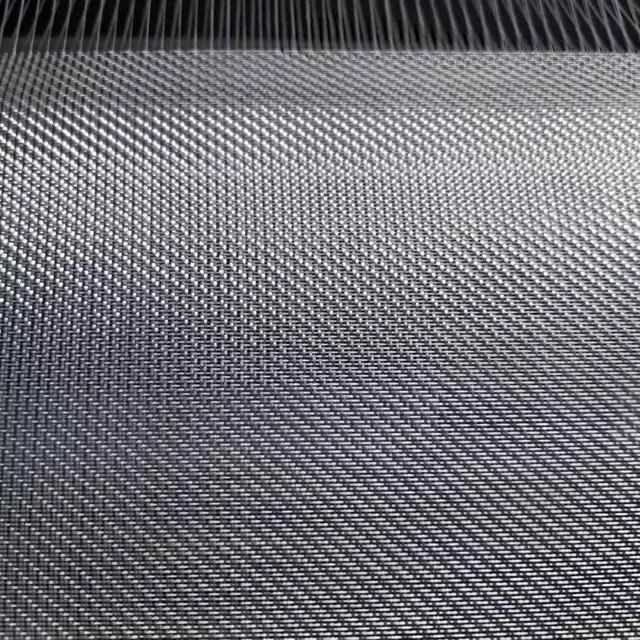
In addition to PVC foam cores, JLON supplies a complete range of composite materials for UAV manufacturing. From reinforcement fabrics to vacuum infusion consumables, you can source all the materials needed for lightweight composite structures from one qualified supplier.
fiberglass reinforcement fabrics

Fiberglass Fabric

Fiberglass fabric is widely used for fuselage skins, wing skins, battery enclosures, and other composite parts. It offers excellent impact resistance, reliable structural performance, and cost-effective reinforcement for UAV manufacturing.

Carbon fiber UAV wing with PMI foam sandwich core

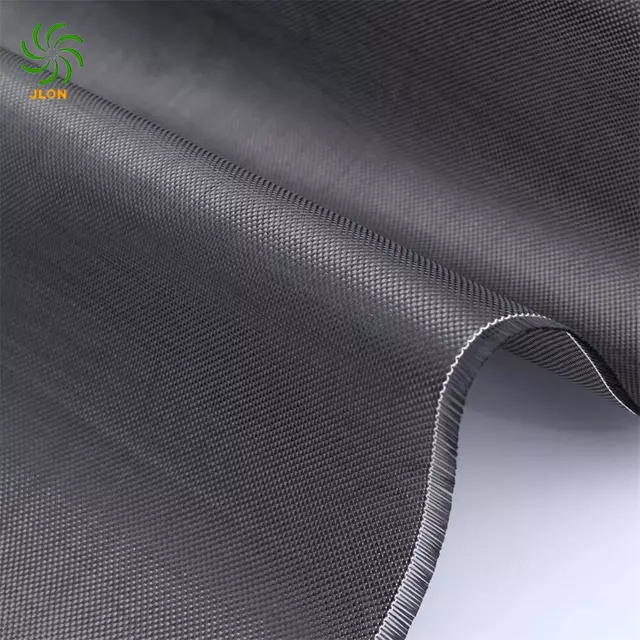
Carbon Fiber Fabric

Carbon fiber fabric provides exceptional stiffness and strength while minimizing weight. It is ideal for wings, fuselage beams, motor mounts, landing gear, and other high-performance UAV components.


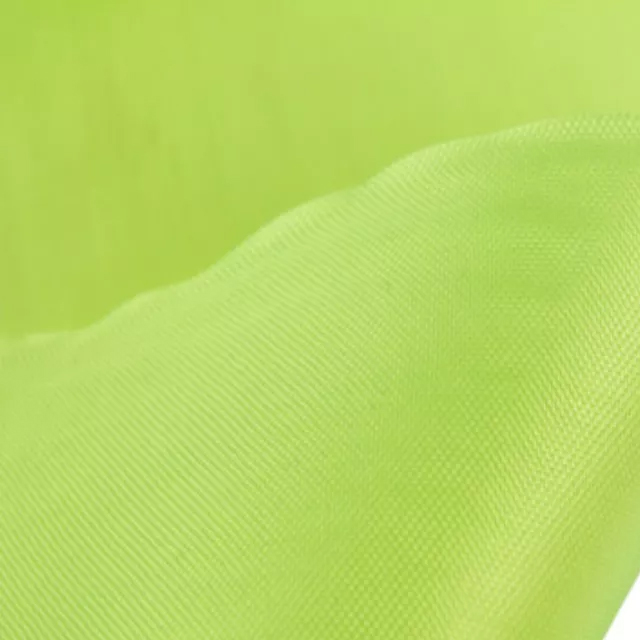
Nylon peel ply fabric for vacuum infusion

Peel Ply

Peel ply creates a clean, textured surface after curing, eliminating sanding before secondary bonding or painting. It is an essential consumable for producing high-quality composite parts.


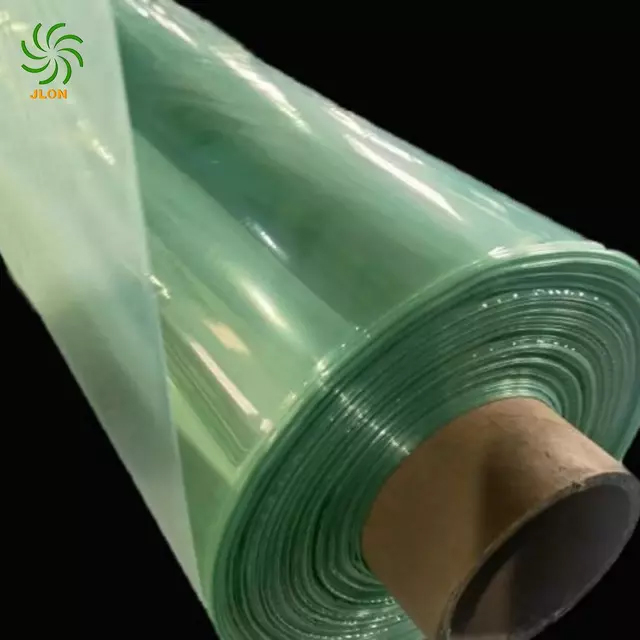
Vacuum Bagging Film

Vacuum Bagging Film

Vacuum bagging film forms the sealed vacuum system during infusion and curing, helping remove air, control resin content, and produce lightweight, void-free laminates.


Vacuum Infusion Consumables

Vacuum Infusion Consumables

JLON also supplies sealant tape, flow media, release film, spiral tubing, vacuum connectors, and other infusion consumables to complete your composite manufacturing process.


Whether you manufacture fixed-wing UAVs, multirotor drones, or VTOL aircraft, JLON provides foam cores, reinforcement materials, and vacuum consumables from one reliable supplier.

Why Choose Our Complete Portfolio?

One supplier. Three core technologies. Full application coverage.

cart-shopping-fast

Simplify procurement

source all three core families from a single qualified partner

inboxes

Optimize every zone

match the right material to every structural requirement

supply-chain-steps

Reduce supply chain risk

local manufacturing, shorter lead times, responsive technical support

features-alt

Full engineering support

material selection, process optimization, FST testing, and certification documentation

icons8-48

Certified Quality for Demanding Applications

Our composite solutions, including PVC foam cores, PET foam, PMI foam, fiberglass fiber fabrics and carbon fiber fabrics, are DNV certified—ensuring compliance with the highest global standards for safety, reliability, and performance

Frequently Asked Questions About UAV Foam Core Materials

  • Why use foam core instead of honeycomb in drones?

    Created with Sketch.
    形状 Created with Sketch.

    While honeycomb offers high strength, foam cores provide complete surface bonding, closed-cell moisture resistance, and better impact damage tolerance. Foam cores are easier to machine and shape into complex geometries required for modern drones.

  • How do I decide between PMI and PVC for my wing?

    Created with Sketch.
    形状 Created with Sketch.

    If you plan to use carbon fiber prepregs that require an autoclave with high temperature (120°C+), PMI is essential for its heat resistance and co-curing capability . For standard infusion processes with lower heat, PVC is a highly effective and more economical option.

  • What thicknesses are available?

    Created with Sketch.
    形状 Created with Sketch.

    We supply foam cores in a variety of thicknesses and density grades, from thin sheets suitable for skins and control surfaces to thicker options for primary spars.

  • Can I use PVC for prepreg autoclave curing?

    Created with Sketch.
    形状 Created with Sketch.

    Only if your cure temperature is below 130°C. For standard 180°C aerospace prepregs, we strongly recommend PMI to avoid core collapse.

  • Why use 150 kg/m³ PET instead of just using a thicker 100 kg/m³ sheet?

    Created with Sketch.
    形状 Created with Sketch.

    Thicker foam adds more weight and increases drag on external surfaces. Increasing density (from 100 to 150) improves compression strength and screw pull-out resistance without changing external geometry — crucial for fuselage frames and payload mounts.

  • Which foam is best for FPV drones?

    Created with Sketch.
    形状 Created with Sketch.

    For most FPV drones, PVC foam is the preferred choice due to its excellent balance of low weight, impact resistance, and cost-effectiveness. For high-performance racing or long-range FPV platforms where every gram matters, PMI foam offers superior stiffness-to-weight performance.

  • Which foam is best for long-endurance fixed-wing UAVs?

    Created with Sketch.
    形状 Created with Sketch.

    PMI foam is generally the best choice for long-endurance fixed-wing UAVs because of its exceptional stiffness-to-weight ratio, high compressive strength, and compatibility with high-temperature prepreg autoclave curing. For cost-sensitive projects using vacuum infusion, a combination of PMI for primary load-bearing structures and PVC or PET for secondary components is often the optimal solution.

  • Can foam cores be CNC machined?

    Created with Sketch.
    形状 Created with Sketch.

    Yes. PVC, PET, and PMI foam cores can all be CNC machined into complex shapes, grooves, and contour surfaces with high dimensional accuracy. CNC processing is widely used for wing cores, fuselage molds, control surfaces, and other precision UAV components.

  • Do you supply scored and grooved foam cores?

    Created with Sketch.
    形状 Created with Sketch.

    Yes. We can supply plain sheets, scored sheets, grooved sheets, contour-cut panels, and CNC-machined foam components to suit vacuum infusion, curved molds, and complex composite structures. Customized dimensions and machining services are also available upon request.

  • Can foam cores be thermoformed?

    Created with Sketch.
    形状 Created with Sketch.

    Yes. PVC and PET foam cores can be thermoformed to fit curved molds and complex geometries when processed under appropriate heating conditions. PMI foam can also be thermoformed within its processing limits and is particularly suitable for high-performance aerospace composite structures that require excellent dimensional stability.