


Marine Core Solutions for FRP Vessel Builders
Build Lighter, Stronger, Safer Boats

Core Materials for Different Types of Composite Vessels
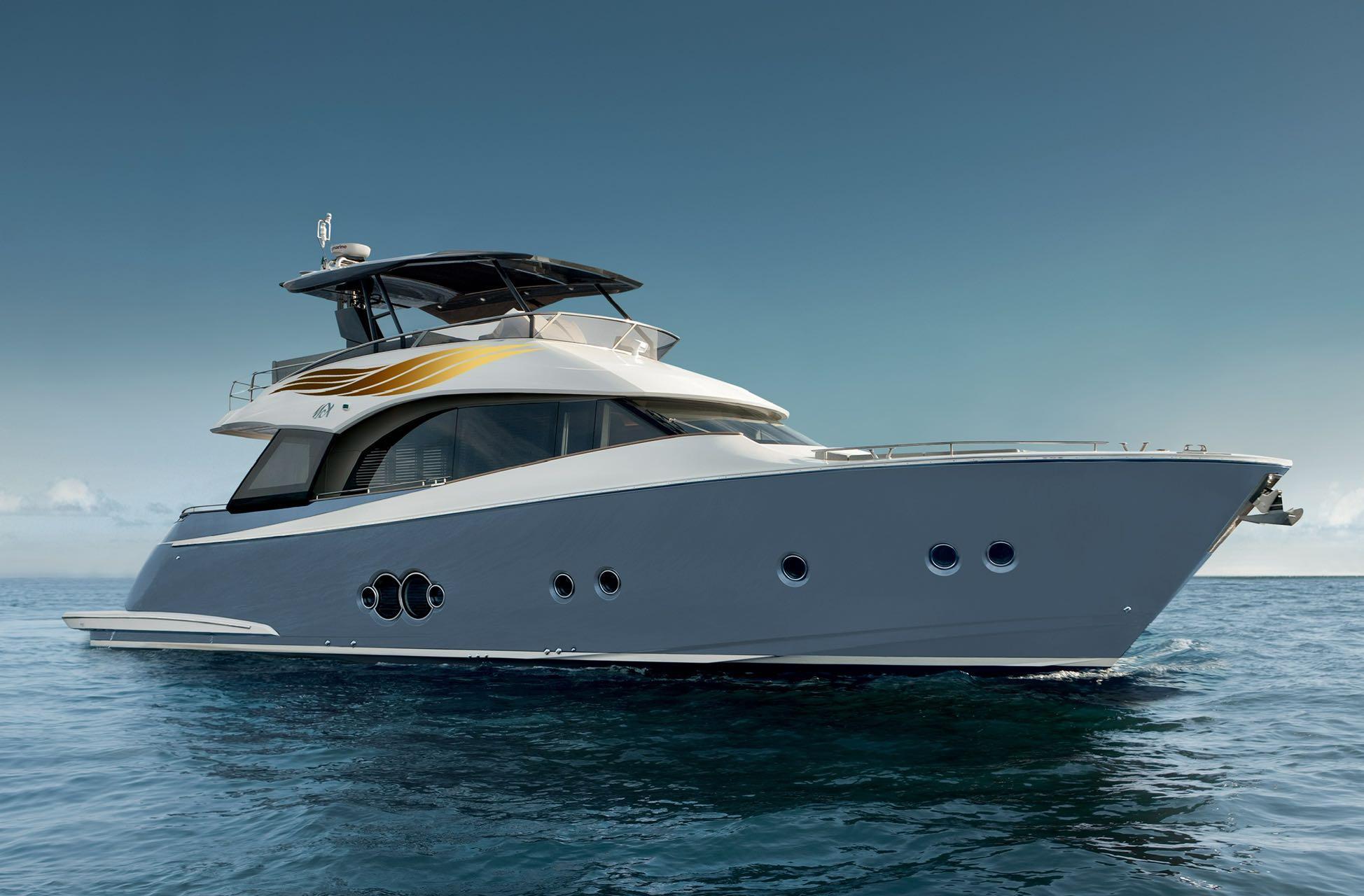
Luxury and Production Motor Yachts
Motor yachts and production boats use sandwich core materials throughout the hull, deck, superstructure and interior.
Typical applications:
Hull bottoms and hull sides
Decks and superstructures
Structural bulkheads
Transoms and equipment foundations
Cabin floors, partitions and furniture
PVC foam is commonly selected for highly loaded hull structures and fatigue-critical areas. PET foam can be used in hull sides, decks and superstructures, particularly where lightweight and cost-efficient sandwich construction is required. PP honeycomb is mainly used for lightweight interior panels.
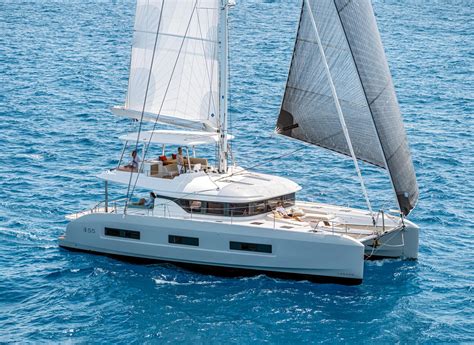
Sailing Yachts and Catamarans
Weight reduction is especially valuable for sailing yachts and multihulls because it can improve sailing performance, payload capacity and overall efficiency.
Typical applications:
Hull shells
Bridge decks
Decks and coach roofs
Bulkheads
Interior floors and partitions
PVC and PET foam can both be used in sailing yacht and catamaran structures. The final choice depends on structural loads, required density, laminate design, processing method and overall project requirements. A combination of different cores is often used within the same vessel.
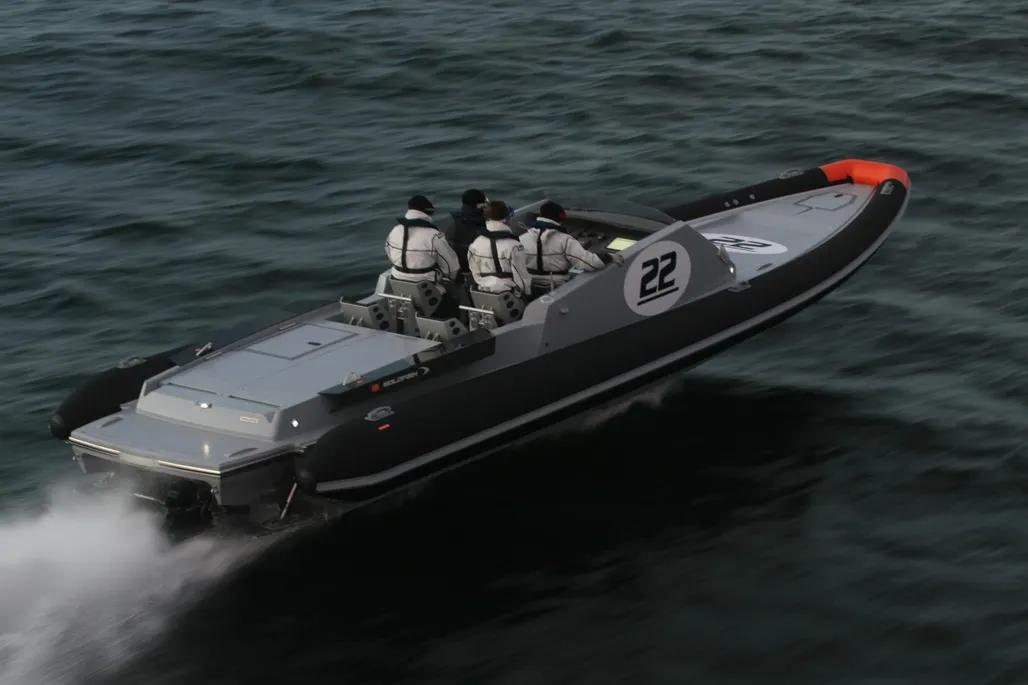
High-Speed Boats, RIBs and Racing Craft
High-speed craft experience repeated wave impact, slamming and cyclic fatigue loads.
Typical applications:
Planing hull bottoms
Chine and slamming areas
Hull sides
Transoms
Structural decks
Engine mounts and equipment foundations
PVC foam is generally preferred for impact-sensitive and fatigue-critical sandwich structures. Higher-density PVC foam or engineered inserts can be used around cleats, winches, hinges, rails, equipment foundations and other mechanically fastened areas.

Patrol, Rescue and Special-Purpose Craft
Patrol boats, rescue craft, fireboats and other special-purpose vessels require lightweight structures with reliable impact resistance and long-term durability.
PVC foam is suitable for primary sandwich structures such as hulls and structural decks. PET foam may be used in selected decks, bulkheads and superstructure panels.
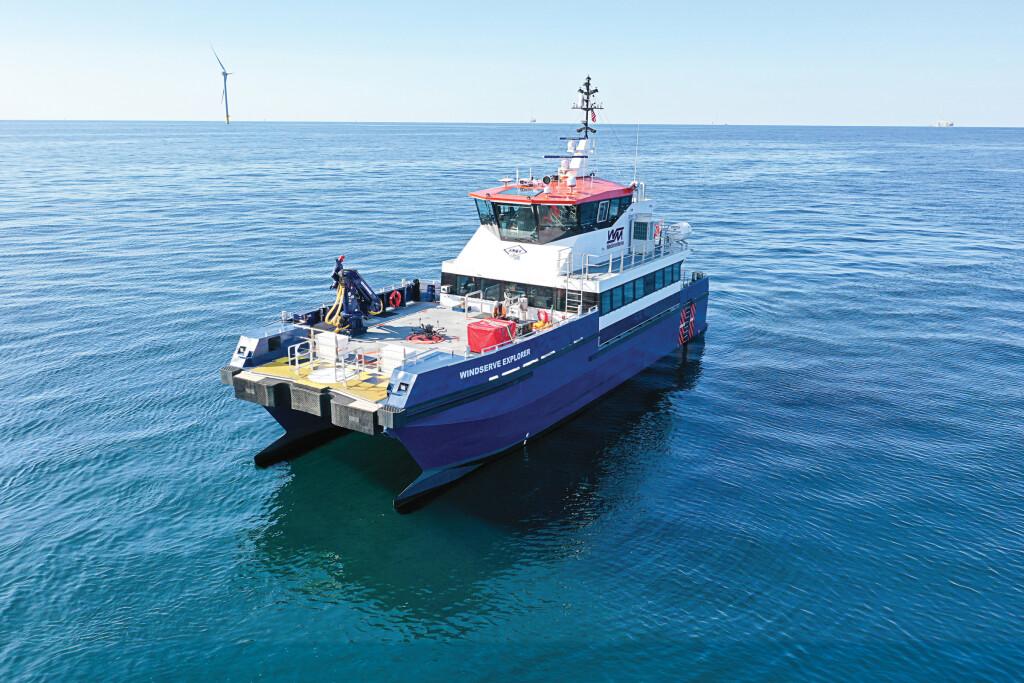
Commercial Workboats and Offshore Service Vessels
Typical composite vessel applications include:
Pilot boats
Fishing vessels
Harbour workboats
Crew transfer vessels
Offshore wind service vessels
Survey and utility craft
Reducing structural weight can support improved fuel efficiency, payload capacity and operating range. PVC is commonly selected for demanding hull and deck structures, while PET can provide an efficient solution for large sandwich panels, bulkheads and superstructures.
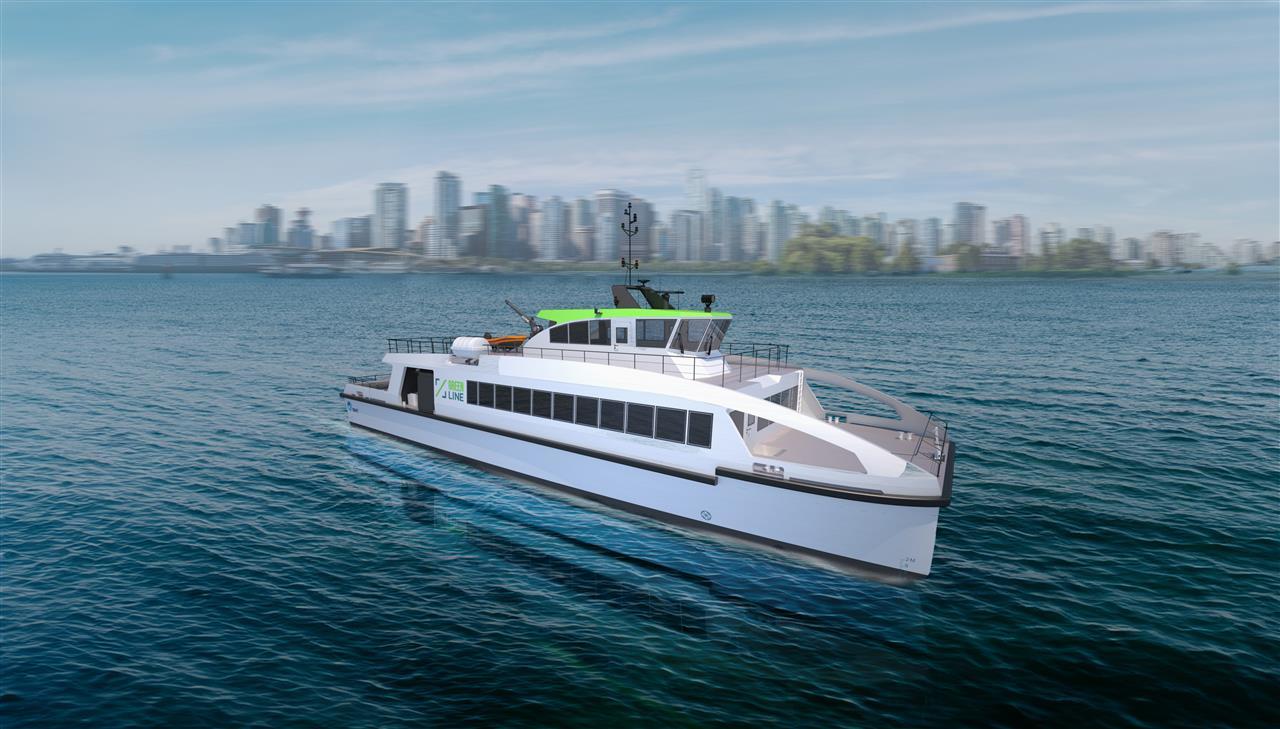
Passenger Ferries and Electric Vessels
Weight reduction is particularly important for electric and hybrid vessels because battery systems increase the total vessel weight.
PVC and PET structural foam can be considered for composite hulls, decks, bulkheads and superstructures. Material grades, laminate systems and finished components must be evaluated according to the vessel design, classification society requirements and applicable fire and safety regulations.

Polyimide Foam for Marine Insulation
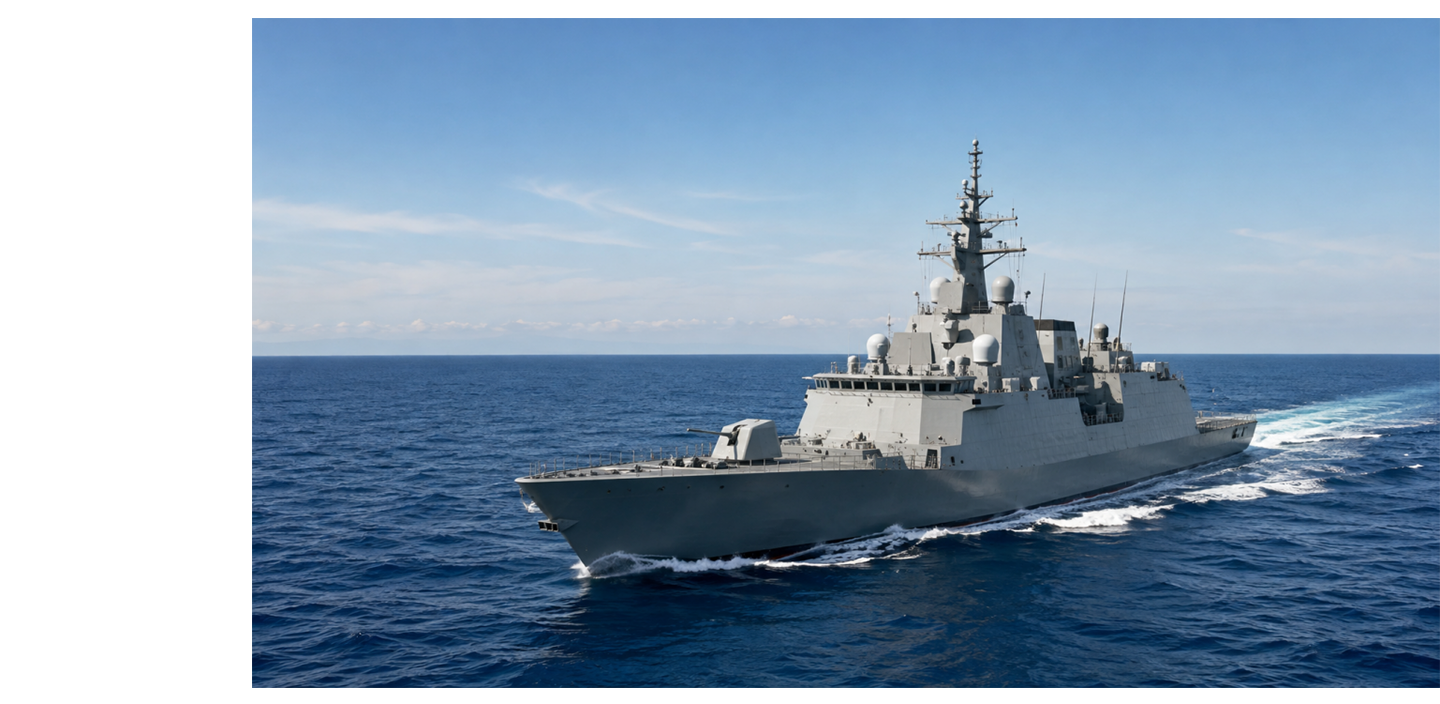
Unlike PVC foam, PET foam and PP honeycomb, polyimide (PI) foam is not a structural sandwich core. It is used as a lightweight thermal and acoustic insulation material in demanding marine environments.
Typical applications include naval vessels, large commercial ships, steel vessels, offshore vessels and specialized marine craft. PI foam can be used in bulkheads, overheads, machinery spaces, HVAC ducts, piping and other areas requiring thermal insulation, acoustic control and fire performance.
Where Core Materials Are Used in a Boat
Hull Bottoms and Slamming Areas
PVC foam is commonly selected where impact resistance, shear performance and fatigue durability are important.
Hull Sides
PVC or PET foam can be selected according to structural loads, panel dimensions, processing requirements and target weight.
Decks and Superstructures
PVC and PET foam provide lightweight stiffness for decks, coach roofs, flybridges and superstructures.
Bulkheads and Transoms
Structural foam cores can reduce panel weight while maintaining stiffness. Density and thickness must be selected according to the expected load.
Marine Interiors
PP honeycomb and PET foam can be used for cabin floors, partitions, doors, furniture, ceiling panels and other lightweight interior components.
High-Load Inserts and Hard Points
Higher-density PVC foam or engineered inserts should be used around: Engine mounts, Cleats and winches, Hinges and rails, Door and window frames, Keel areas, Through-bolted equipment.
Core Material by Category – Where Each Type Belongs


Frequently Asked Questions
-
What core material should I use for a planing speedboat hull?
For a planing speedboat hull (25+ knots), PVC foam is the standard choice because it offers the best fatigue life under repeated wave impact.
-
Can I use PET foam instead of PVC for a yacht hull?
Yes, PET foam can replace PVC for many yacht hulls, especially for displacement or semi-displacement vessels in warm climates where moisture resistance matters.
-
Why do my deck fittings keep loosening?
You are bolting into low-density foam without a hard point. The foam crushes under load. The solution is to install high-density PVC foam (130–300 kg/m³) at every bolt location.
-
Is PP honeycomb strong enough for boat floors?
Yes, for non-structural interior floors and walls. PP honeycomb is ultra-light, rot-proof, and cost-effective. Do not use it in hulls or structural decks.
PP honeycomb guide →
-
What density PVC foam for a boat hull?
For planing hulls, 80–100 kg/m³. For yacht hulls, 60–80 kg/m³. For hard points (engine mounts, cleats), 130–300 kg/m³.
-
When do I need fire-rated marine cores?
When your vessel carries passengers for hire, or when IMO, SOLAS, or local passenger vessel regulations apply. Standard PVC or PET foam will not pass.
-
Do you supply DNV certified foam?
Yes. We supply DNV certified grades on selected PVC and PET foams.


