


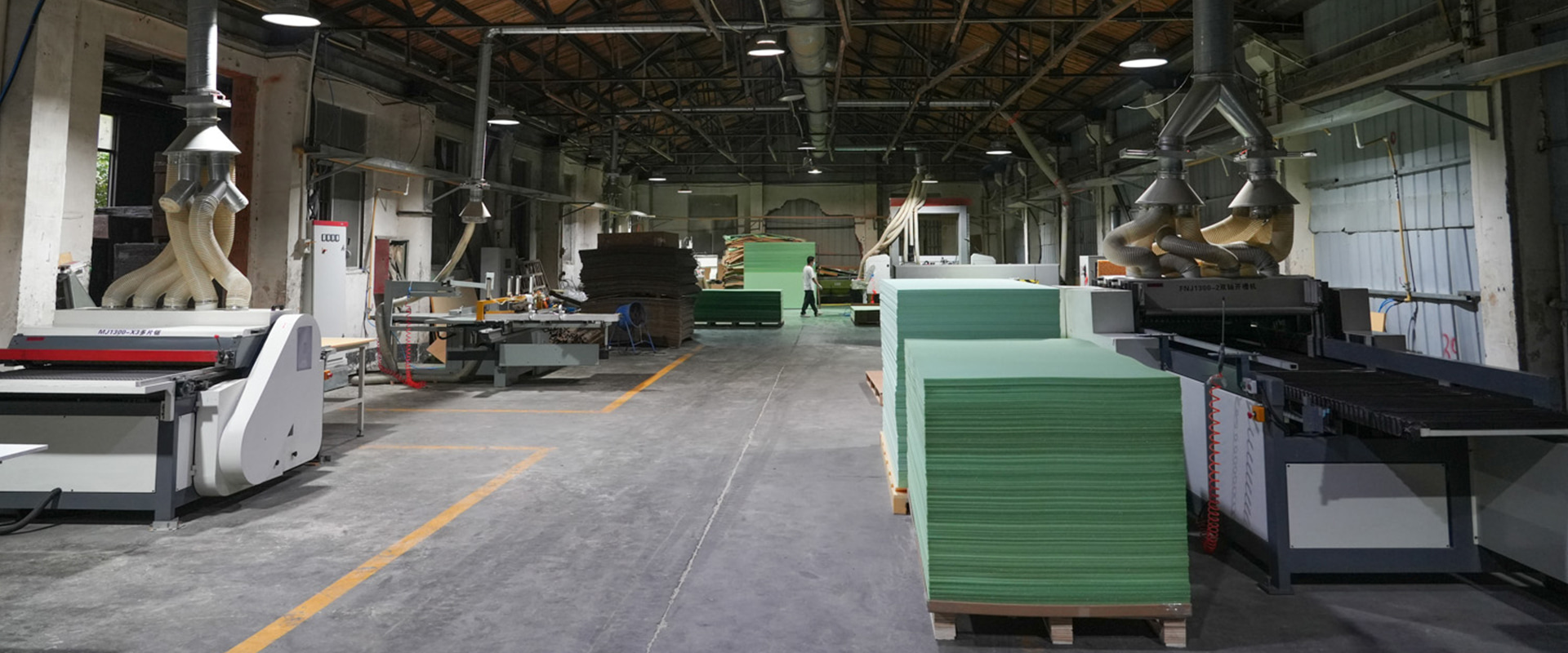

Fiberglass swimming pools are widely used in residential and commercial projects because of their corrosion resistance, relatively low weight, smooth surface finish, and factory-controlled manufacturing process. However, the long-term performance of a fiberglass pool depends on more than the quality of the fiberglass laminate. Structural design, reinforcement selection, core materials, manufacturing methods, and installation conditions all influence the durability of the finished pool shell.
For pool manufacturers seeking to improve structural stiffness while controlling material weight, PVC foam core offers an option for selected sandwich construction and reinforcement applications.
As a supplier of composite materials, JLON provides structural PVC foam core for fiberglass swimming pool manufacturing, including different densities, thicknesses, and processing configurations.
This article examines the structural considerations, material selection criteria, manufacturing techniques, and quality control requirements involved in using PVC foam core in fiberglass swimming pools.

Understanding the Structural Requirements of Fiberglass Swimming Pools
A fiberglass swimming pool is typically manufactured as a one-piece composite shell consisting of a protective surface layer and multiple fiberglass-reinforced resin layers.
Unlike ordinary flat composite panels, swimming pool shells have curved surfaces, corners, steps, seating areas, and integrated structural features. These elements create different loading conditions throughout the structure.
Structural Loads Acting on Swimming Pool Shells
During manufacturing, transportation, installation, and operation, fiberglass pool shells experience several types of mechanical loads.
Hydrostatic pressure: Water pressure acts on the pool walls and floor. The pressure increases with water depth, requiring adequate structural support and stiffness.
External ground pressure: Soil and groundwater can exert pressure on the outside of an installed swimming pool. The most critical conditions may occur when groundwater levels are high while the pool is partially or completely drained.
Transportation and lifting loads: Prefabricated fiberglass pools may experience concentrated stresses during lifting, handling, and transportation.
Localized loads: Pool steps, benches, edges, and equipment connection areas may require additional reinforcement.
These loading conditions should be evaluated together rather than independently.
Why Structural Stiffness Matters
A swimming pool shell must maintain its intended geometry throughout its service life.
Excessive deformation can affect surface appearance, installation alignment, and connections to surrounding structures.
Increasing fiberglass laminate thickness is one method of improving stiffness, but it also increases material consumption and overall shell weight.
An alternative is to incorporate sandwich construction in suitable structural areas.
How Sandwich Construction Improves Bending Stiffness
A sandwich composite consists of two reinforced outer skins separated by a lightweight core material.
The fiberglass skins carry much of the tensile and compressive bending stress, while the core maintains separation between the skins and transfers shear loads.
Increasing the distance between the fiberglass skins can significantly improve bending stiffness without requiring the same weight increase as adding an equivalent thickness of solid fiberglass laminate.
However, the performance depends on the complete sandwich structure, including skin thickness, fiber orientation, core density, core thickness, and bonding quality.
Important Design Principle
A thicker foam core does not automatically produce a stronger swimming pool.
Core shear strength, compression resistance, skin stability, and the interface between fiberglass and foam must all be considered.
Proper structural design is essential before replacing an existing solid laminate with a foam-core sandwich construction.
Why Consider PVC Foam Core for Fiberglass Swimming Pools?
Closed-cell PVC foam core is an established structural core material for composite sandwich applications, including marine structures, transportation components, and industrial composite panels.
Its combination of low density, mechanical properties, and processability makes it a candidate for selected fiberglass swimming pool structural applications.
Lightweight Structural Reinforcement
PVC structural foam has a substantially lower density than solid fiberglass-reinforced laminates.
When used in a properly engineered sandwich structure, the foam core can help manufacturers improve stiffness-to-weight performance.
Potential advantages include:
· Reduced weight compared with certain solid-laminate reinforcement designs.
· Improved bending stiffness through increased sandwich thickness.
· Easier handling of selected prefabricated reinforcement components.
· More flexibility in designing localized structural reinforcement.
The actual weight reduction depends on the entire laminate design and cannot be determined from foam density alone.
Closed-Cell Structure and Moisture Considerations
Swimming pools operate in environments involving continuous water exposure, humidity, cleaning chemicals, and temperature changes.
Closed-cell PVC foam provides resistance to bulk water penetration through its cellular structure.
However, low water absorption does not make a composite structure completely waterproof.
Water may still enter through damaged laminate surfaces, poorly sealed edges, installation penetrations, or defective bonding areas.
Therefore, manufacturers should combine appropriate foam selection with proper laminate protection, edge sealing, and quality control.
Processing Compatibility
PVC foam core can be used with various composite manufacturing methods, subject to the specific foam grade and resin system.
Common processes include:
· Hand lay-up.
· Vacuum bagging.
· Vacuum-assisted resin infusion.
· Adhesive bonding of prefabricated composite components.
Resin compatibility, curing temperature, exothermic heat, processing pressure, and bonding performance should be verified before production.

Selecting the Right PVC Foam Core for Swimming Pool Applications
Choosing the appropriate structural foam core is one of the most important decisions in swimming pool sandwich construction.
A suitable foam should provide the required mechanical performance while remaining compatible with the selected fiberglass reinforcement and manufacturing process.
PVC Foam Core Density Selection
Foam density influences several properties, including compressive strength, shear strength, stiffness, material weight, and cost.
Lower-density foam generally reduces weight, while higher-density grades can provide improved mechanical performance.
However, the final selection should be based on structural calculations and verified technical data.
The following density ranges may be considered as preliminary evaluation categories, not universal swimming pool design specifications.
PVC Foam Density | Potential Application Considerations |
60 kg/m³ | Lightweight panels and relatively low-load reinforcement areas, subject to structural verification |
80 kg/m³ | General-purpose sandwich reinforcement where moderate mechanical performance is required |
100 kg/m³ | Structural areas requiring higher compression and shear performance |
130 kg/m³ | More demanding localized reinforcements and higher-load structural regions |
200 kg/m³ | Highly loaded inserts and localized reinforcement areas where a denser core may be appropriate |
Actual suitability varies according to foam formulation, thickness, span, fiberglass laminate configuration, and loading conditions.
PVC Foam Core Thickness Selection
Core thickness plays a major role in determining the bending stiffness of a sandwich structure.
A thicker core increases the separation between fiberglass skins, potentially increasing stiffness significantly.
However, increasing thickness also affects shear deformation, core stresses, edge details, and manufacturing requirements.
Designers should evaluate:
· Expected structural loading.
· Distance between supporting features.
· Fiberglass skin thickness.
· Core compression and shear properties.
· Local curvature.
· Manufacturing tolerances.
· Installation and transportation loads.
Balancing Core Thickness and Fiberglass Reinforcement
Structural optimization should consider the fiberglass skins and foam core as a complete system.
For example, a thicker core combined with insufficient fiberglass reinforcement may not withstand local stress concentrations.
Likewise, heavy fiberglass skins combined with an unsuitable low-density core may experience core shear failure or debonding.
Recommended Engineering Approach
Start with the required structural performance rather than selecting foam thickness solely according to the dimensions of the swimming pool.
Prototype testing and engineering validation should confirm the final laminate configuration.
Flat Sheets, Grooved Foam, and Contour-Cut Core
Swimming pool shells contain both relatively flat areas and complex curved surfaces.
Different foam configurations can help manufacturers accommodate these geometries.
Plain PVC foam sheets are suitable for comparatively flat surfaces and simple structural components.
Grooved or perforated PVC foam may support resin distribution or air evacuation in selected vacuum infusion arrangements.
Contour-cut PVC foam core can conform more easily to curved surfaces, reducing the need for extensive manual shaping.
The preferred cutting and grooving pattern depends on the molding process, shell geometry, and required resin flow.
PVC Foam Core Applications in Fiberglass Swimming Pool Construction
PVC foam core is not necessarily required throughout an entire fiberglass swimming pool shell.
Many conventional swimming pools use predominantly solid fiberglass laminates, ribs, or other structural reinforcements.
For manufacturers evaluating sandwich construction, localized reinforcement may provide a practical starting point.
Swimming Pool Walls
Pool walls experience hydrostatic pressure and external ground loading.
In suitable engineered designs, foam sandwich reinforcement can improve wall stiffness while limiting additional weight.
Particular attention should be given to long unsupported wall sections, transitions between flat and curved areas, and connections to reinforcing ribs.
Pool Floors and Bottom Panels
The bottom of a swimming pool can experience different loading conditions during transportation, installation, and service.
Where properly supported by the installation base, the structural requirements may differ significantly from those of unsupported sections.
PVC foam core may be evaluated for selected floor panels or reinforcement structures, provided compression loading, support conditions, moisture exposure, and edge sealing are addressed.
Steps, Benches, and Seating Areas
Integrated fiberglass steps and benches often contain changes in geometry and localized loading.
These areas may require additional stiffness or reinforcement.
Structural foam can potentially be used in selected sandwich components, but concentrated loads, fastening details, and transitions to surrounding laminate must be considered.
Reinforcing Corners and Structural Transitions
Sharp corners and abrupt changes in thickness can create stress concentrations.
Properly shaped foam cores, fiberglass reinforcement overlaps, and controlled laminate transitions can help reduce these issues.
Avoiding Abrupt Core Terminations
Foam core edges should be designed to provide suitable load transfer into adjacent solid laminates.
Tapered transitions, appropriate reinforcement, and properly filled or sealed edges can reduce the risk of stress concentrations and local debonding.
Manufacturing Fiberglass Swimming Pools with PVC Foam Core
Manufacturing quality directly influences the structural performance of foam-core composite components.
Even when suitable materials are selected, poor bonding or improper resin processing may compromise the finished structure.
Step 1: Mold Preparation and Surface Layers
Fiberglass swimming pool manufacturing typically begins with mold preparation and application of the required surface system.
The exact process depends on the manufacturer's laminate specification.
Surface layers may include gelcoat and corrosion-resistant barrier laminates, followed by structural fiberglass reinforcement.
These layers protect the structure and provide the required surface appearance.
Step 2: Fiberglass Laminate Preparation
Fiberglass reinforcements are positioned according to the structural design.
Common reinforcement materials include chopped strand mat, woven fiberglass fabrics, and multiaxial fabrics.
Fiber orientation and laminate thickness influence structural performance.
Manufacturers should follow established lay-up schedules to achieve the intended mechanical properties.
Step 3: PVC Foam Core Positioning
The PVC foam core is cut and positioned in the designated structural areas.
Accurate fitting is important because large gaps, uneven surfaces, or unsupported sections can affect bonding quality.
Depending on the process, core sheets may be bonded to a previously cured laminate or integrated into a wet lay-up or infusion sequence.
Step 4: Resin Application and Consolidation
Resin may be applied using hand lay-up, vacuum bagging, or vacuum infusion.
For vacuum infusion, core grooves and perforations can help manage resin distribution when appropriately designed.
However, these features also influence resin consumption and final component weight.
Controlling Resin Flow and Core Bonding
Manufacturers should ensure complete wetting of the fiberglass reinforcement and adequate bonding between the core and laminate.
Potential manufacturing defects include:
· Dry fiberglass regions.
· Resin-starved bonding interfaces.
· Excessive resin accumulation.
· Trapped air and voids.
· Core movement during processing.
· Local deformation under vacuum pressure.
Why Trial Infusion Is Important
Before introducing a new PVC foam configuration into production, manufacturers should conduct representative infusion trials.
These trials help verify resin flow, bonding quality, processing time, and the suitability of the core preparation pattern.
Step 5: Curing and Inspection
After resin application, the composite structure must cure under controlled conditions.
The curing cycle should follow the resin manufacturer's specifications.
Excessive processing temperature or exothermic heat may affect the dimensional stability of certain foam grades.
After curing, manufacturers should inspect the laminate and foam interfaces before moving to finishing and assembly operations.
Common Manufacturing Challenges and Solutions
Introducing PVC foam core into fiberglass pool production requires attention to several practical issues.
Poor Adhesion Between Foam and Fiberglass
Inadequate surface preparation, unsuitable resin, contamination, or incorrect bonding procedures may result in weak adhesion.
Manufacturers should evaluate surface cleanliness, bonding methods, resin compatibility, and cure conditions.
Excessive Resin Consumption
Grooved or contour-cut foam may consume additional resin because the grooves, cuts, or gaps can become filled during processing.
While these features can improve forming and resin flow, they may also increase finished component weight.
The selected core configuration should balance manufacturing efficiency with resin consumption.
Core Deformation During Manufacturing
Vacuum pressure, thermal exposure, and mechanical handling can affect foam geometry.
Core selection should account for the relevant compressive properties, processing temperatures, and manufacturing cycle.
Moisture Ingress Through Exposed Edges
Exposed foam edges and poorly sealed penetrations create potential moisture pathways.
Proper edge treatment, laminate continuity, and sealing around fittings are important for long-term durability.

Quality Control for PVC Foam Sandwich Structures
Quality control should cover incoming materials, manufacturing operations, and finished composite components.
Incoming PVC Foam Core Inspection
Manufacturers should verify the material against the agreed technical specification.
Important inspection items include:
· Foam density.
· Sheet thickness.
· Dimensional tolerances.
· Surface condition.
· Cutting and grooving accuracy.
· Material identification and traceability.
Finished Composite Inspection
Depending on the structural requirements, inspection methods may include visual examination, dimensional checks, laminate thickness measurements, and representative mechanical testing.
Bonding quality should receive particular attention because the core and fiberglass skins must function together.
Destructive testing of representative samples may help evaluate shear performance, flexural behavior, and core-to-skin adhesion.
For critical applications, testing procedures and acceptance criteria should be established during product development.
JLON PVC Foam Core Solutions for Fiberglass Swimming Pool Manufacturers
JLON supplies PVC foam core and fiberglass composite materials for structural sandwich applications, including projects involving fiberglass swimming pools, marine components, and other composite structures.
With experience in composite material supply, JLON supports manufacturers evaluating foam-core reinforcement and alternative laminate constructions.
Available PVC Foam Core Options
JLON offers structural PVC foam core in multiple densities and thicknesses, with processing options that can be discussed according to project requirements.
Available configurations may include:
· Standard PVC foam sheets.
· CNC-cut foam components.
· Grooved or perforated core.
· Contour-cut foam for curved composite surfaces.
· Customized dimensions and processing arrangements.
Availability and specifications should be confirmed for each project.
Supporting Swimming Pool Manufacturers
Manufacturers considering PVC foam core can provide JLON with drawings, existing laminate configurations, density requirements, thickness specifications, and manufacturing methods.
This information helps identify potentially suitable materials for engineering trials.
JLON can also discuss complementary fiberglass reinforcement and vacuum consumable requirements for composite manufacturing.
Frequently Asked Questions About PVC Foam Core for Swimming Pools
Is PVC Foam Core Suitable for Fiberglass Swimming Pools?
PVC foam core can be considered for selected sandwich structures and localized reinforcement areas in fiberglass swimming pools.
However, suitability depends on structural loading, laminate configuration, environmental exposure, manufacturing conditions, and installation requirements.
Can PVC Foam Replace Traditional Fiberglass Reinforcement?
PVC foam does not directly replace the structural role of fiberglass reinforcement.
In sandwich construction, the foam and fiberglass skins perform different functions.
Any reduction in fiberglass reinforcement should be supported by engineering calculations and testing.
Is Closed-Cell PVC Foam Waterproof?
Closed-cell PVC foam generally provides relatively low water absorption, but it should not be treated as a waterproofing system.
The surrounding composite laminate, joints, edges, and penetrations must be properly designed and protected.
Can PVC Foam Core Be Used with Vacuum Infusion?
Yes. Suitable structural PVC foam grades can be used in vacuum infusion processes.
Grooved, perforated, or contour-cut configurations may be selected according to resin flow requirements and part geometry.
Material and process compatibility should be confirmed through trials.
How Do Manufacturers Choose the Right PVC Foam Density?
The appropriate density depends on required compression resistance, shear performance, stiffness, weight, and manufacturing conditions.
Manufacturers should review the foam technical datasheet and validate the complete sandwich laminate rather than relying on density alone.
Conclusion
Structural performance is a critical factor in the design and manufacture of fiberglass swimming pools.
For suitable applications, PVC foam core provides a lightweight structural core option that can improve bending stiffness through sandwich construction while allowing manufacturers to evaluate material weight and reinforcement efficiency.
Successful implementation requires appropriate density and thickness selection, reliable core-to-skin bonding, controlled manufacturing processes, and structural validation.
As a composite material supplier, JLON offers PVC foam core solutions for fiberglass swimming pool manufacturers seeking suitable materials for structural reinforcement, vacuum infusion, and customized composite manufacturing.
Manufacturers can contact JLON to discuss PVC foam core specifications, processing options, and material samples for their swimming pool production projects.


