



Table of Contents
PVC foam sandwich panels provide an excellent combination of low weight, high stiffness, water resistance, and fatigue performance. They are widely used in marine decks, hulls, bulkheads, hatches, roofs, wind turbine components, transportation panels, UAV structures, and industrial composite products.
However, installing a through-bolt directly through a standard PVC foam core can create a serious structural weak point. Although the fiberglass or carbon fiber skins may carry substantial tensile and bending loads, the foam core is not designed to withstand high localized compression from tightened bolts.
Without suitable reinforcement, the PVC foam may be crushed, the laminate skins may deform, the fastener may loosen, and water may enter the sandwich panel. Correct reinforcement creates a solid load-transfer zone around the hardware and protects the lightweight core from excessive compression.
This guide explains how to reinforce through-bolts and hardware in PVC foam sandwich panels, including marine-grade PVC foam core supplied by JLON.
Why Through-Bolts Need Reinforcement in PVC Foam Sandwich Panels
A typical composite sandwich panel consists of two strong laminate skins separated by a lightweight structural foam core. The outer skins resist tensile and compressive stresses, while the PVC foam core stabilizes the skins and transfers shear loads between them.
This construction is highly efficient when loads are distributed across a reasonably large area. A through-bolt creates a different loading condition because the force is concentrated around a relatively small hole.
Local Crushing of the PVC Foam Core
When a nut is tightened, the bolt head, washer, and backing plate apply compression through the thickness of the sandwich panel. If the bolt passes directly through an unreinforced low- or medium-density PVC foam core, the tightening force may exceed the compressive strength of the foam.
Local crushing can cause permanent indentation around the hardware, loss of panel thickness, inward bending of the laminate skins, cracking of the surface finish, reduced clamping force, and progressive loosening of the fastener.
Using a large washer helps spread the load over a wider area of the laminate. However, a washer alone does not always prevent core crushing because the clamping force must still pass through the full thickness of the sandwich panel.
Skin-to-Core Delamination
Hardware such as cleats, hinges, rails, seat bases, equipment mounts, and machinery foundations may experience tensile, shear, bending, and vibration loads.
These forces can bend the laminate around the fastener and generate peel stresses at the skin-to-core bond. Repeated loading may eventually initiate delamination, even when the installation appears secure during the initial inspection.
A properly designed hard point distributes these concentrated loads into a larger area of the sandwich panel and reduces stress at the laminate-to-core interface.
Water Ingress Around the Fastener
Drilling a hole through a composite sandwich panel interrupts the protective laminate and exposes the internal core.
If the hole is not completely sealed, water may enter through the fastener clearance, damaged sealant, cracks in the laminate, or capillary paths along the core-to-skin interface.
Closed-cell PVC foam core has relatively low water absorption. Nevertheless, moisture can still travel through damaged areas, poorly bonded surfaces, drilled channels, and local voids. For marine sandwich panels, every hardware penetration should therefore be properly reinforced and sealed.
Fatigue and Vibration
Most installed hardware experiences more than a single static load. Boat fittings, vehicle components, access hatches, engine-room equipment, solar panel mounts, and industrial machinery are often subjected to repeated loading and vibration.
Even small movements can gradually enlarge the fastener hole, damage the laminate, break the sealant bond, and reduce bolt preload. A reinforced insert or compression sleeve helps maintain dimensional stability around the fastener throughout its service life.
How to Select the Correct Reinforcement Method
There is no single reinforcement method suitable for every through-bolt installation. A lightweight cable clip and a deck-mounted towing point should not be reinforced in the same way.
Before selecting a reinforcement detail, the designer should consider the maximum tensile, shear, compression, and bending loads. It is also necessary to determine whether the load is static, cyclic, dynamic, or impact-related.
Other important factors include the bolt diameter, number of fasteners, sandwich panel thickness, PVC foam density, foam compressive strength, laminate thickness, fiber reinforcement type, backing plate dimensions, required safety factor, operating temperature, moisture exposure, and access to the opposite side of the panel.
Critical hardware should always be designed or reviewed by a qualified composite structural engineer.
Reinforcement for Light-Duty Hardware
Light-duty hardware may include cable clips, interior trim, lightweight instrument mounts, small brackets, and non-structural covers.
For these applications, an oversized hole filled with a high-density epoxy compound may provide sufficient through-thickness support, provided that the surrounding laminate and PVC foam sandwich panel are suitable.
Reinforcement for Medium-Duty Hardware
Medium-duty fittings may include hinges, handrails, hatch hardware, solar panel supports, seat mounts, and equipment brackets.
These installations normally require a larger epoxy-filled annulus, a bonded compression sleeve, a high-density PVC foam insert, or a combination of these reinforcement methods.
Reinforcement for High-Load Structural Hardware
High-load hardware may include mooring cleats, towing eyes, chainplates, winches, stanchion bases, engine mounts, machinery foundations, lifting attachments, structural hinges, and restraint anchors.
These fittings generally require an engineered hard point, substantial backing plates, local laminate reinforcement, and solid through-thickness support. An epoxy-filled hole alone may not provide sufficient load distribution for these applications.
Common Methods for Reinforcing Through-Bolts
Several reinforcement methods are available for PVC foam sandwich panels. The correct solution depends on the hardware load, panel construction, manufacturing stage, and service environment.
Oversize Drill-and-Fill Method
The oversize drill-and-fill method is widely used for installing light- and medium-duty hardware in existing PVC foam sandwich panels.
A hole larger than the final fastener diameter is first drilled through the panel. Some of the exposed PVC foam is then removed from between the two laminate skins. The resulting cavity is filled with a high-density structural epoxy compound.
After the compound has cured, a smaller hole is drilled through the center of the solid epoxy insert. The cured annulus separates the fastener from the foam and transfers bolt compression between the outer skins.
Advantages of the Drill-and-Fill Method
The drill-and-fill method creates a sealed barrier around the fastener penetration and prevents direct compression of the PVC foam core.
It can be completed after the composite sandwich panel has been manufactured and does not require a prefabricated insert. It is particularly useful for small and medium-sized fasteners and may be applied when access is available from only one side of the panel.
Limitations of the Drill-and-Fill Method
The effectiveness of this method depends on the size, shape, and quality of the filled annulus. A very narrow ring of brittle resin may crack under heavy, impact, or cyclic loading.
Neat epoxy resin should not normally be used to fill a large cavity. A large mass of unfilled resin may generate excessive heat during curing and may shrink or crack. A suitable high-density structural filler should be added according to the resin manufacturer’s instructions.
Bonded Compression Sleeves
A compression sleeve is a solid tube bonded between the two laminate skins. The through-bolt passes through the sleeve, allowing the tightening force to be transmitted directly from one skin to the other.
Suitable sleeve materials may include G10 or FR-4 fiberglass laminate tube, pultruded fiberglass tube, stainless steel, protected aluminum, titanium, or an engineered composite insert.
The sleeve length should match the finished thickness of the sandwich panel. If the sleeve is too short, the laminate skins may still be pulled inward when the bolt is tightened. If the sleeve is too long, the hardware may not clamp the panel correctly.
When to Use a Compression Sleeve
A bonded compression sleeve is particularly useful when high bolt preload is required, when the hardware may be removed and reinstalled, or when the joint is exposed to vibration.
Compression sleeves are also valuable when dimensional stability is important or when the fastener must carry significant shear load.
In marine applications, the designer should consider galvanic corrosion between metallic sleeves, fasteners, carbon fiber laminates, and seawater. Dissimilar conductive materials may need to be electrically isolated.
High-Density PVC Foam Core Inserts
A section of standard-density core can be replaced with a higher-density PVC foam core in the hardware area. This method is normally planned during manufacture of the sandwich panel.
For example, a lightweight marine panel may use low- or medium-density PVC foam across most of its area, while higher-density PVC foam is installed around cleats, hinges, rails, door frames, machinery mounts, and other attachment points.
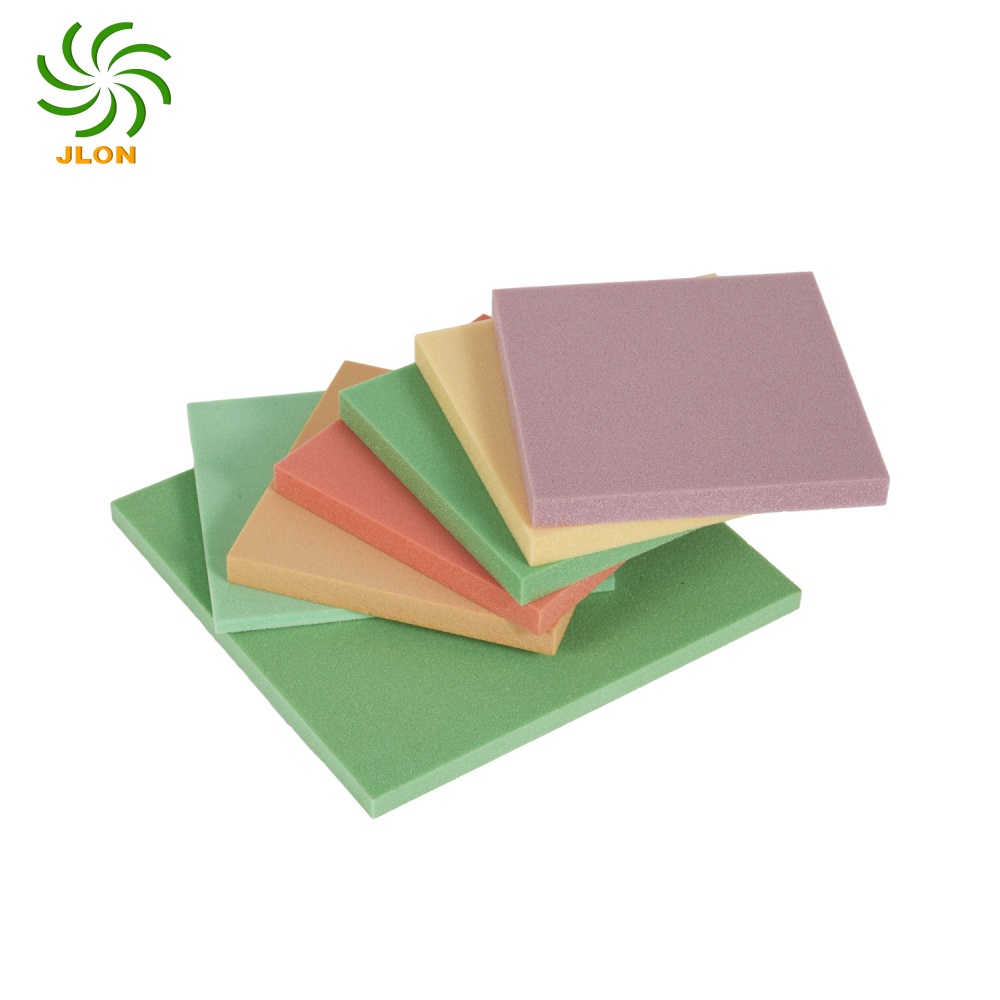
JLON can supply PVC foam core in a range of densities, thicknesses, and machining formats for locally reinforced sandwich structures. The appropriate grade should be selected according to the required compressive strength, shear strength, panel thickness, manufacturing process, and design load.
Limitations of High-Density PVC Foam Inserts
A higher-density PVC foam insert improves local compressive and shear performance, but it does not automatically make the joint suitable for unlimited bolt loads.
The designer must still evaluate core compression, core shear, laminate bending, bolt bearing stress, fastener pull-through, skin-to-core bonding, and fatigue performance.
For heavily loaded through-bolts, a high-density PVC foam insert is often combined with a compression sleeve, additional laminate reinforcement, and a backing plate.
Solid Laminate or Composite Hard Points
A solid fiberglass laminate, G10 plate, or molded composite insert can be incorporated into the panel in place of the standard PVC foam core.
This creates a robust local zone capable of carrying higher bearing and compression loads. The insert should be securely bonded to the surrounding core and laminate without producing an excessively abrupt change in stiffness.
A tapered, stepped, or rounded insert geometry can help distribute stress into the surrounding PVC foam sandwich panel and reduce the risk of cracking around the hard point.
Backing Plates and Large Washers
A backing plate spreads the bolt load across a larger area and reduces local bending of the laminate skin.
Typical backing plate materials include G10 fiberglass laminate, stainless steel, protected aluminum, thick fiberglass laminate, and purpose-designed composite plates.
A backing plate does not replace the need for through-thickness core reinforcement. If standard-density foam remains directly between the skins, tightening the bolt may still crush the core. The backing plate and the core insert should be treated as parts of the same load-transfer system.
Backing plates should generally have rounded corners because sharp corners can create stress concentrations. The plate should also be thick and stiff enough to resist bending under the expected load.
Step-by-Step Installation Using the Drill-and-Fill Method
The following procedure describes a general method for reinforcing a through-bolt penetration. The exact cavity dimensions, materials, and installation procedure must be determined for the specific application.
Step 1: Identify the Hardware Location
Confirm the final position of the hardware and inspect both sides of the sandwich panel.
Ensure that there is sufficient space for the bolt head, nut, washers, backing plate, sealant, and installation tools. Avoid drilling through concealed wiring, pipes, tanks, structural reinforcement, or existing inserts.
Step 2: Determine the Required Reinforcement Diameter
The reinforced area must be large enough to transfer the expected hardware load into the surrounding sandwich structure.
A relatively small oversized hole may be acceptable for light-duty hardware. A heavily loaded fitting requires a much larger reinforced zone.
The required reinforcement diameter should be based on structural calculations and the allowable stresses of the insert, laminate skins, adhesive bond, and PVC foam core. It should not be selected only according to bolt diameter.
Step 3: Drill the Oversized Hole
Drill a clean hole through the sandwich panel using a sharp and suitable cutting tool.
Control the drill carefully to prevent tearing, splintering, or delamination of the laminate. Where possible, support the exit side of the panel. Remove drilling dust, loose fibers, and damaged material before continuing.
Step 4: Remove Additional Foam Around the Hole
Use a bent nail, hooked tool, small rotary cutter, or purpose-made core-removal tool to remove PVC foam from between the two skins.
The objective is to create an annular cavity while keeping the outer laminate skins largely intact. Remove all loose foam particles and inspect the cavity for damaged or poorly bonded material.
Preparing the Internal Bonding Surfaces
The remaining surfaces must be clean, dry, and suitable for bonding. Contamination, moisture, loose foam, and drilling dust will reduce the strength of the reinforced insert.
If the panel has been exposed to water, allow it to dry properly before adding the epoxy filling compound.
Step 5: Seal the Bottom of the Hole
Temporarily close one side of the hole using release tape or another suitable barrier.
The temporary seal must support the epoxy compound without leaking. For vertical or overhead installations, use a compound with appropriate viscosity or complete the filling operation in controlled stages.
Step 6: Fill the Cavity with Structural Epoxy Compound
Use a compatible epoxy resin combined with a suitable high-density structural filler.
The compound should flow sufficiently to fill the cavity while remaining thick enough to avoid excessive drainage or settlement. Inject or place the material carefully to minimize trapped air.
The epoxy compound must contact both laminate skins and completely fill the removed-core area.
Controlling the Exothermic Reaction
Large volumes of epoxy can become extremely hot during curing. Excessive exotherm may damage the PVC foam core, distort the laminate, weaken the bond, or crack the cured insert.
Use an approved structural filling system, appropriate batch sizes, and the resin manufacturer’s recommended curing conditions. Large hard points may need to be filled in stages or manufactured using a prefabricated solid insert.
Step 7: Allow the Insert to Cure Fully
Do not drill the final fastener hole until the epoxy insert has reached the required cure condition.
Maintain the correct temperature and humidity throughout the curing period. Follow the epoxy supplier’s instructions regarding minimum cure time, post-curing, and machining.
Step 8: Drill the Final Fastener Hole
Mark the center of the cured insert and drill the final hole to the required fastener diameter.
The final bore should be completely surrounded by solid reinforcement. Inspect the finished hole to confirm that no PVC foam is exposed and that there are no visible voids, cracks, or incomplete bonds.
Step 9: Dry-Fit the Hardware
Assemble the bolt, washers, backing plate, and nut without sealant.
Confirm that the hardware is correctly aligned and sits flat against the panel. Correct any surface irregularities before completing the final installation.
Step 10: Apply a Compatible Sealant
Apply a marine-grade or application-appropriate sealant around the fastener and under the hardware base.
The sealant should be compatible with the laminate, surface finish, fastener material, and operating environment. It must prevent water ingress while allowing future maintenance when necessary.
Sealant should not be used as a substitute for structural reinforcement.
Step 11: Tighten the Fastener Correctly
Tighten the bolt gradually and evenly.
Excessive torque may damage the laminate, deform the backing plate, squeeze out too much sealant, or overstress the reinforced insert.
For structural joints, use the specified tightening torque and installation procedure. Recheck the fastener after the sealant has cured if this is recommended by the hardware or sealant manufacturer.
Installing High-Load Hardware During Panel Manufacturing
The most reliable time to create a reinforced hardware zone is generally during manufacture of the PVC foam sandwich panel.
Plan All Hard-Point Locations in Advance
The panel drawing should clearly identify every high-load hardware location.
The design information should specify the insert material, insert dimensions, PVC foam density, local laminate reinforcement, fastener type, backing plate requirements, sealing method, and installation procedure.
Advance planning reduces the risk of accidentally drilling outside the reinforced zone.
Prepare and Bond the Core Insert
Cut the standard PVC foam core accurately to receive the high-density foam, G10, solid laminate, or other structural insert.
The insert should fit correctly without forcing the surrounding core out of position. Bond it using a compatible structural adhesive and fill any gaps carefully.
Avoid large resin-rich areas, unfilled gaps, and unsupported sections of laminate.
Add Local Laminate Reinforcement
Additional fiberglass or carbon fiber layers may be required over and around the insert.
The reinforcement should distribute the concentrated hardware load gradually into the main panel skins. Local laminate patches should extend beyond the hard point with sufficient overlap.
The orientation of the reinforcing fibers should correspond to the expected direction of the load.
Record the Finished Hard-Point Location
Hard points may become difficult to locate after laminating, fairing, painting, or applying gelcoat.
Record the position and dimensions of every insert accurately. Production drawings, drilling templates, measurements, photographs, or suitable non-destructive inspection methods can help ensure that the final hole is drilled through the reinforced area.
Common Installation Mistakes to Avoid
Installing a Bolt Directly Through Standard-Density PVC Foam
This is one of the most common causes of crushed cores, loose hardware, and damaged laminate skins.
A large washer may reduce surface pressure, but it does not provide solid support between the two skins.
Using Only Neat Epoxy Resin
Unfilled epoxy resin may drain from the cavity, shrink, crack, or generate excessive heat during curing.
Use a structural epoxy compound with an appropriate high-density filler for the required cavity size and service load.
Making the Reinforced Area Too Small
A thin ring of cured epoxy may seal the immediate edge of the hole but may not distribute the hardware load effectively.
The reinforcement diameter should reflect the actual fitting load, bolt preload, laminate capacity, and core properties.
Failing to Remove Loose Core Material
Loose particles, damaged foam, dust, and poorly prepared surfaces can create weak bonds and internal voids.
The cavity must be thoroughly cleaned and dried before adding the structural filling compound.
Ignoring the Backing Side of the Panel
A strong core insert cannot compensate for an undersized washer, flexible backing plate, damaged laminate, or insufficient reinforcement on the opposite side.
Both sides of the sandwich panel should be included in the joint design.
Over-Tightening the Bolt
Higher tightening torque does not always produce a stronger joint.
Excessive torque may damage the laminate skins, crush an inadequate insert, bend the backing plate, or squeeze out too much sealant.
Depending on Sealant for Structural Strength
Sealant is mainly used to prevent leakage and accommodate limited movement.
It should not be treated as a replacement for a structural adhesive, compression sleeve, reinforced core insert, or backing plate.
Ignoring Future Maintenance
Bolted hardware may eventually need to be inspected, removed, tightened, or replaced.
The reinforcement detail should remain stable and watertight after repeated service operations.
Inspection and Maintenance of Reinforced Hardware
Through-bolted hardware should be inspected regularly, especially in marine, offshore, transportation, and high-vibration applications.
Warning signs include depressed laminate around the hardware, cracked gelcoat or paint, loose fasteners, water staining, corrosion, damaged sealant, movement under load, and unusual softness or sounds around the fitting.
If damage is discovered, remove the hardware and inspect the laminate, reinforced insert, foam core, adhesive bond, and backing plate.
Simply tightening a loose bolt may temporarily hide the problem while causing further damage to the PVC foam sandwich panel.
Choosing JLON PVC Foam Core for Reinforced Sandwich Panels
JLON supplies PVC foam core materials for marine, UAV, wind energy, transportation, and industrial composite applications.
Different densities, thicknesses, and processing formats can be selected according to the required sandwich panel performance and manufacturing method.
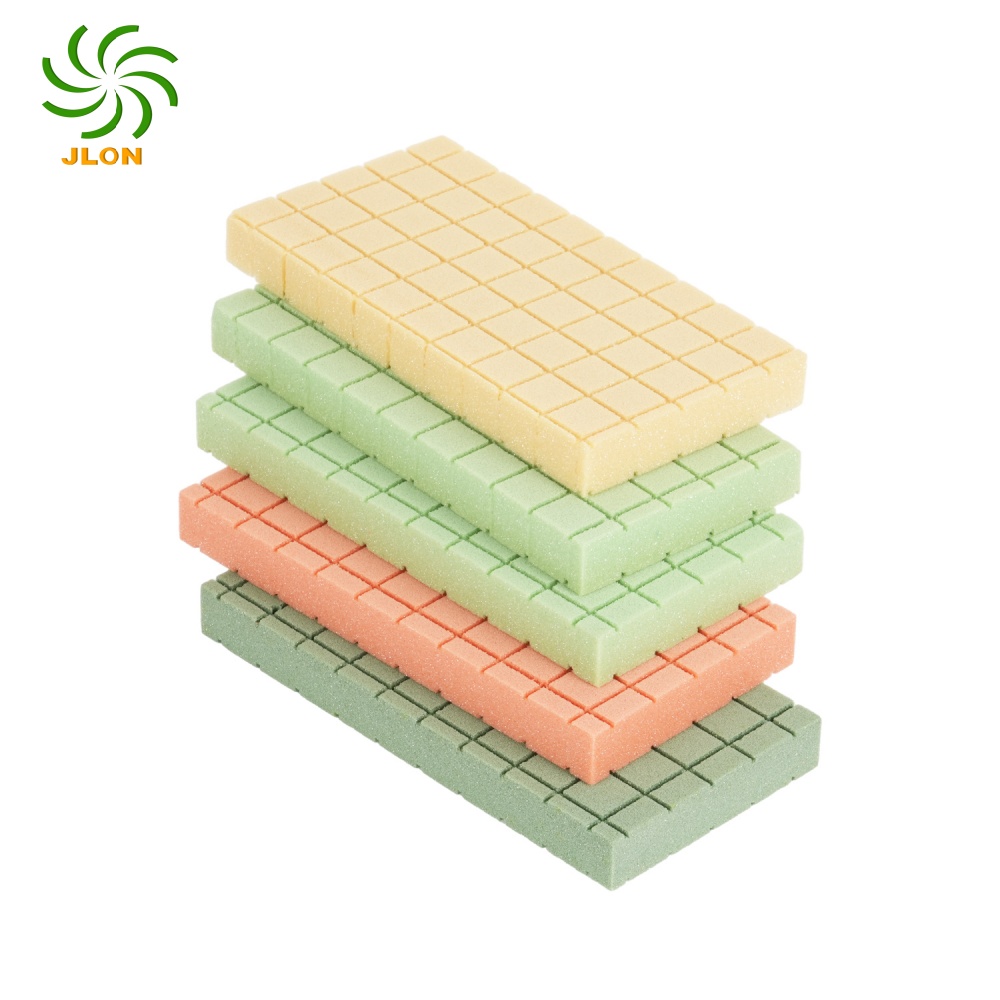
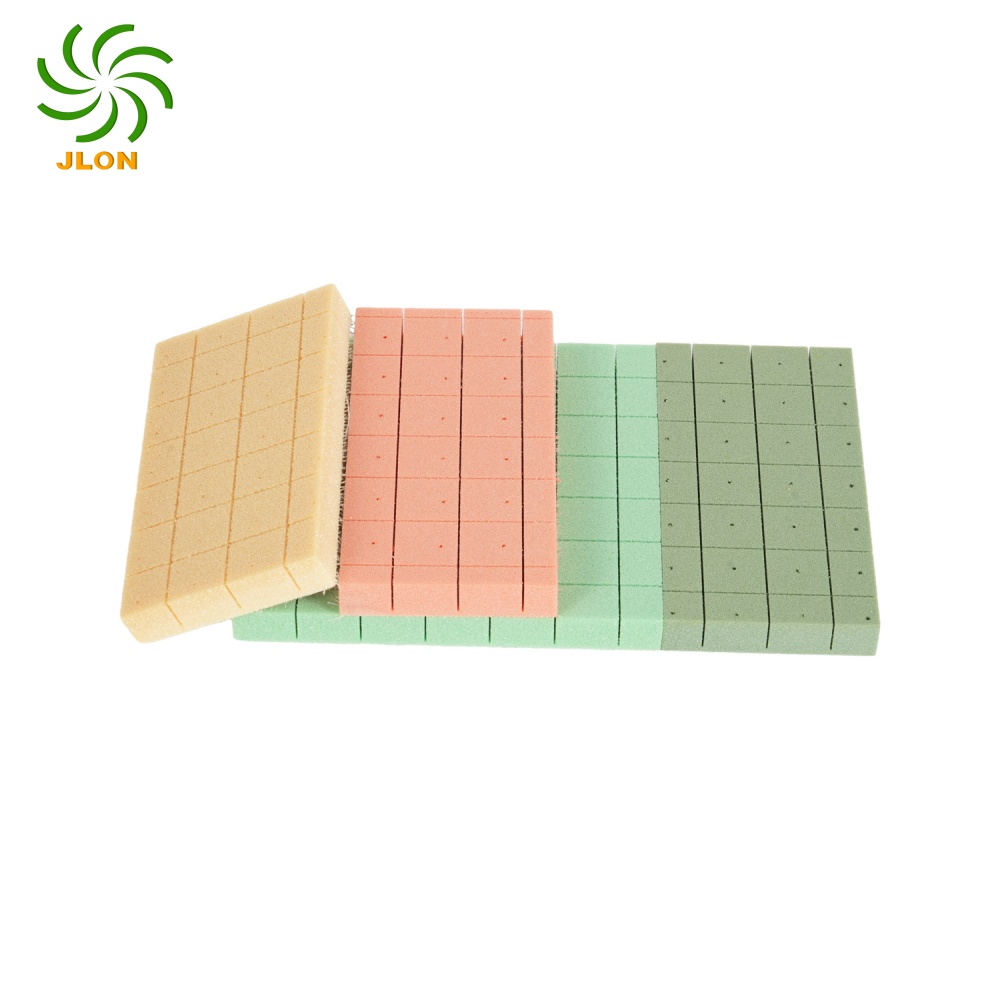
Available processing options may include plain PVC foam sheets, perforated foam, grooved foam, double-cut foam, scrim-backed blocks, contoured foam, custom-machined pieces, and higher-density local inserts.
JLON PVC foam core is suitable for composite manufacturing processes including hand lay-up, vacuum infusion, and closed-mold processing. DNV-certified PVC foam core options are available for relevant marine applications.
Information Required for PVC Foam Core Selection
When requesting a PVC foam core recommendation from JLON, customers should provide the intended application and component type, panel dimensions, required foam thickness, target density, and laminate construction.
Customers should also provide information about the resin system, manufacturing process, operating temperature, fastener dimensions, hardware type, estimated loads, required certification, and drawings of the reinforced area.
The JLON team can help customers evaluate suitable PVC foam core grades, densities, thicknesses, and machining formats. Final structural and hardware designs should be confirmed by the customer’s qualified engineer.
Frequently Asked Questions
Can a Through-Bolt Be Installed Directly Through PVC Foam Core?
A through-bolt should generally not be installed directly through standard-density PVC foam when it applies meaningful clamping or structural load.
The foam around the fastener should normally be replaced or surrounded by a load-bearing insert.
Is a Large Washer Enough to Prevent PVC Foam Crushing?
A large washer reduces local pressure on the laminate skin, but it does not create solid support between the two skins.
A core insert, epoxy-filled annulus, or compression sleeve may still be necessary.
Can Epoxy Be Used to Reinforce a Bolt Hole?
Yes. An oversized cavity filled with a suitable structural epoxy compound is a common way to reinforce and seal a bolt penetration.
The dimensions and composition of the reinforced area must be appropriate for the expected load.
Should High-Density PVC Foam Be Used Around Hardware?
High-density PVC foam core can significantly improve local compression and shear performance.
For high-load hardware, it may need to be combined with solid inserts, compression sleeves, additional laminate layers, and a properly sized backing plate.
What Is the Best Reinforcement for a Mooring Cleat or Towing Point?
Mooring cleats and towing points experience high and often dynamic loads.
These fittings normally require an engineered hard point, local laminate reinforcement, a substantial backing plate, solid through-thickness support, and a completely sealed fastener penetration.
The final reinforcement detail should be reviewed by a qualified marine structural engineer.
Conclusion
Through-bolts and hardware must be treated as structural details in PVC foam sandwich panels.
Drilling directly through standard-density foam may cause core crushing, loose hardware, laminate delamination, and water ingress.
Depending on the load, suitable reinforcement may include an epoxy-filled annulus, bonded compression sleeve, high-density PVC foam core insert, solid composite hard point, additional laminate reinforcement, and properly sized backing plate.
Correct material selection and careful installation allow the fitting load to pass safely through the skins and into the surrounding sandwich structure.
For demanding marine and industrial applications, the reinforced hard point should be designed as part of the complete composite structure rather than added as an afterthought.
Contact JLON for LyProCell PVC foam core, PET foam core, custom-machined core materials, and technical support for composite sandwich panel applications.