



Fasteners are necessary in almost every composite boat. Cleats, rails, hinges, hatches, seats, consoles, machinery, deck hardware and interior fittings all require secure attachment points. In a foam core boat, however, every screw or bolt that passes through the laminate can become a potential route for water to enter the sandwich structure.
The problem is rarely caused by the fastener alone. Water ingress usually begins when the bedding compound loses adhesion, the laminate cracks, the fastener moves under cyclic loading, or the foam core is crushed by excessive tightening. Once moisture reaches an exposed core, it may spread beyond the original penetration and affect the bond between the laminate and the core.
Preventing this damage requires more than applying sealant around a screw head. A durable installation combines correct core material selection, effective load distribution, properly sealed penetrations, compatible bedding materials and regular inspection.
This guide explains how boatbuilders and repair professionals can protect PVC foam core and PET foam core structures against water ingress around fasteners.
Table of Contents
Why Fastener Penetrations Are Vulnerable in Foam Core Boats
A composite sandwich panel normally consists of two fiber-reinforced skins bonded to a lightweight core material. The skins carry tensile and compressive loads, while the core separates the skins, transfers shear and stabilizes the structure.
This construction provides excellent stiffness at a relatively low weight, which is why foam core materials are widely used in marine hulls, decks, bulkheads, superstructures and interior panels.
Drilling through the sandwich interrupts this structural system. The hole creates exposed edges in both the laminate and the foam core, while the fastener introduces concentrated compression and local movement. If the penetration is not properly reinforced and sealed, several problems may develop.
Direct Exposure of the Foam Core
An untreated hole leaves the cells at the edge of the PVC or PET foam exposed.
Closed-cell foam has much lower water absorption than many open-cell materials, but “closed-cell” does not mean that a drilled penetration can safely be left unsealed. Drilling, cutting and machining open some of the cells at the material surface.
Cracks, gaps, machining damage and poorly bonded interfaces can also provide pathways for moisture to move into the sandwich panel.
Compression Damage from Tightening
Bolts and screws concentrate force over a relatively small area. When a nut is tightened against a lower-density core without a compression-resistant insert, the inner and outer skins may be pulled together and the foam may be crushed.
This can create a depression around the hardware, reduce fastener preload and damage the laminate-to-core bond. Once the fitting begins to move, it can break the sealant and create a route for water ingress.
Cyclic Loads and Hardware Movement
Marine hardware is exposed to vibration, impact, temperature changes and repeated loading.
A cleat experiences alternating loads from mooring lines. A stanchion base is loaded whenever a person leans against the rail. Machinery produces vibration, while hatches and hinges are opened and closed repeatedly.
Even a small amount of movement can fatigue the bedding compound, enlarge the fastener hole or create cracks around the fitting.
Sealant Aging and Installation Errors
Marine sealants are important, but they are not permanent substitutes for good structural design.
Contaminated surfaces, insufficient sealant, incompatible materials, incorrect curing conditions and premature tightening can weaken the seal. Ultraviolet exposure, temperature changes, saltwater and cleaning chemicals may further reduce its service life.
The most reliable solution is therefore to prevent water from reaching the foam core even if the external bedding seal eventually deteriorates.
How Water Ingress Can Damage a Foam Core Structure
The extent of damage depends on the foam core material, laminate quality, location of the penetration and duration of exposure.
Moisture may remain localized around a fastener, but it can also migrate through damaged cells, grooves, perforations, kerfs, bond-line voids or cracks.
Loss of Skin-to-Core Adhesion
Moisture can contribute to deterioration at the interface between the fiberglass laminate and the foam core. Existing voids, repeated loading and freeze-thaw cycles may accelerate local debonding.
When adhesion is lost, the skins and core no longer work together efficiently. The sandwich panel may gradually lose stiffness even when the external laminate still appears intact.
Local Crushing and Soft Spots
A deck may begin to feel soft when the core has been crushed, separated from the skins or damaged around heavily loaded hardware.
Water is not always the original cause of a soft spot. However, an unsealed fastener penetration can turn a small mechanical defect into a larger repair area.
Corrosion Around the Fastener
Moisture around metallic hardware can promote crevice corrosion, galvanic corrosion or surface staining, depending on the materials used for the fastener, fitting and backing plate.
Trapped water can also contribute to loosening of the joint, allowing more movement and further deterioration of the seal.
Increasing Repair Area and Cost
A leaking fitting may initially require only removal, drying and resealing. If the problem is ignored, the repair may eventually require removal of wet or damaged core, installation of replacement marine foam core, laminate rebuilding, fairing and refinishing.
Early detection and correct installation can therefore make a substantial difference to long-term repair costs.
The Best Method: Isolate the Core with an Epoxy-Potted Penetration
For many through-bolted fittings and moderately loaded penetrations, an epoxy-potted hole is one of the most reliable ways to prevent water from reaching the foam core.
The basic principle is to drill an oversized opening, remove a controlled amount of core around the hole, fill the resulting cavity with thickened epoxy, allow it to cure and then drill the final fastener hole through the cured epoxy.
This creates a solid epoxy barrier between the fastener and the surrounding PVC or PET foam core.
Step 1: Confirm the Load and the Structure
Before drilling, determine what the hardware must carry and what lies beneath the installation area.
Check the laminate thickness, core type, core density and access to the underside of the panel. Electrical wiring, fuel lines, water pipes and other hidden systems must be identified before drilling begins.
The attachment method should reflect the actual service load. A small interior fitting does not require the same reinforcement as a mooring cleat, lifting point or engine mount.
Higher-Load Attachment Examples
Mooring cleats, towing points, chainplates, davits, lifting fittings, stanchion bases, engine mounts, machinery foundations and heavy deck equipment should not be treated like lightly loaded trim.
These locations may require a solid laminate zone, a substantial backing plate, a high-density PVC foam insert or a purpose-designed structural reinforcement.
Safety-critical attachment details should be reviewed by the boat designer or a qualified marine engineer.
Step 2: Drill an Oversized Opening
Drill a hole larger than the final fastener diameter.
The amount of oversizing depends on the fastener size, laminate construction and expected load. There is no single dimension suitable for every installation.
The objective is to create enough space for a continuous epoxy barrier around the final fastener hole without unnecessarily weakening the surrounding laminate.
Whenever practical, keep one laminate skin intact while removing foam from beneath it. This helps maintain alignment and reduces the amount of cosmetic finishing required.
For an existing through-hole, tape or temporary backing may be needed on the underside to prevent the epoxy from draining out.
Step 3: Remove Foam Around the Hole
Remove a controlled amount of foam from between the inner and outer skins around the perimeter of the oversized hole.
A bent nail, hooked tool or small rotary cutter may be used, depending on the size and accessibility of the opening. Work carefully to avoid damaging or separating the fiberglass skins.
Remove all loose particles, sanding dust and contaminated material from the cavity. The prepared area must be clean and dry before epoxy is introduced.
If moisture is already present, do not immediately fill the cavity and trap the water inside the panel. Leave the fitting open until the affected area has been evaluated and adequately dried.
Discoloration, extensive moisture, soft foam or loss of adhesion may indicate that a larger core repair is necessary.
Step 4: Wet Out and Fill the Cavity
Wet the prepared surfaces with a compatible epoxy resin system. Then fill the cavity with thickened epoxy suitable for the application.
The mixture should be fluid enough to fill the space without leaving voids but thick enough to remain in position without draining away.
Follow the resin manufacturer’s recommendations regarding surface preparation, mixing ratio, filler selection, application temperature, working time and cure time.
Avoid creating excessive heat from a large mass of curing epoxy. Deep or wide cavities may require a low-exotherm formulation or filling in controlled stages.
The objective is a completely bonded and void-free epoxy plug, not merely a thin resin cap over the opening.
Step 5: Redrill the Final Hole
After the epoxy has fully cured, drill the final fastener hole through the center of the epoxy plug.
This creates a dense, compression-resistant barrier between the fastener and the surrounding foam core. If the external bedding compound later develops a small leak, the water should meet cured epoxy rather than exposed PVC or PET foam.
The final hole should be correctly aligned and sized for the selected fastener. All drilling dust should be removed before installing the hardware.
Step 6: Dry-Fit the Hardware
Before applying sealant, assemble the fitting, fasteners, washers, nuts and backing plate without final tightening.
Confirm that the holes are correctly aligned, the fitting sits flat against the surface, the backing plate has full contact and the fasteners do not force the fitting out of position.
Large washers or backing plates distribute the load over a wider area. However, they cannot compensate for damaged foam core, insufficient laminate or a poorly designed attachment point.
Step 7: Apply Bedding Compound and Tighten Correctly
Clean the contact surfaces and apply a marine bedding compound compatible with the laminate, gelcoat, paint and hardware material.
Use enough bedding compound to create a continuous seal beneath the fitting and around each fastener shank. Applying sealant only to the visible screw head is not sufficient because water may enter beneath the base of the fitting.
The correct tightening procedure depends on the selected bedding material. Some sealants require the fitting to be positioned first and finally tightened after partial curing. Other products should be tightened in a single operation.
Always follow the sealant manufacturer’s instructions. Avoid excessive tightening that squeezes almost all the sealant out of the joint. The objective is to create a controlled sealing layer while maintaining sufficient fastener preload.
When to Use High-Density Foam Inserts
Epoxy potting is appropriate for many individual holes, but larger or repeatedly loaded fittings may benefit from a high-density foam insert installed during panel production or repair.
The insert replaces lower-density foam beneath the complete hardware footprint. It improves compression resistance and distributes loads over a larger section of the sandwich panel.
Typical Locations for High-Density Inserts
High-density PVC foam core may be used locally around deck fittings, cleats, rails, hatch hinges, door frames, window frames, equipment foundations, machinery supports, engine-room foundations and areas requiring improved screw retention.
The correct density and dimensions of the insert depend on the design load, number and position of fasteners, skin laminate and required safety factor.
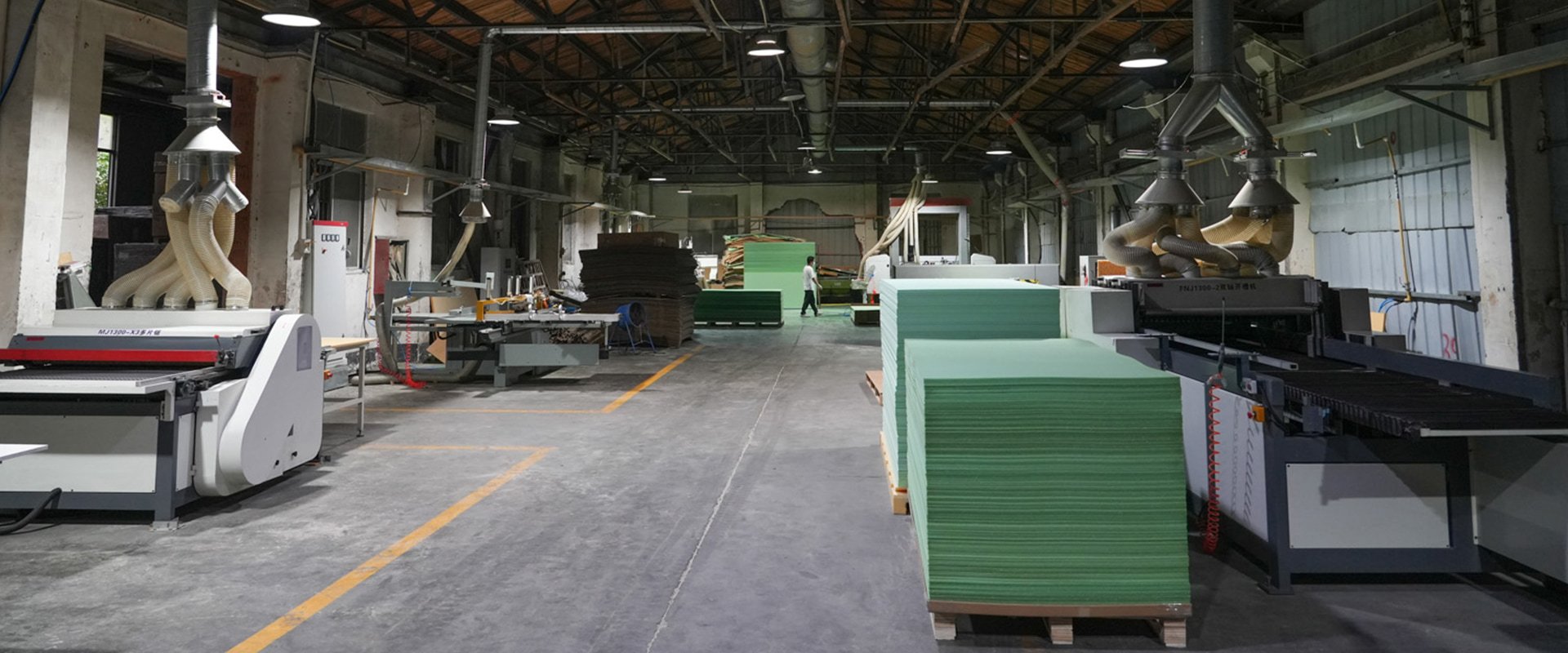
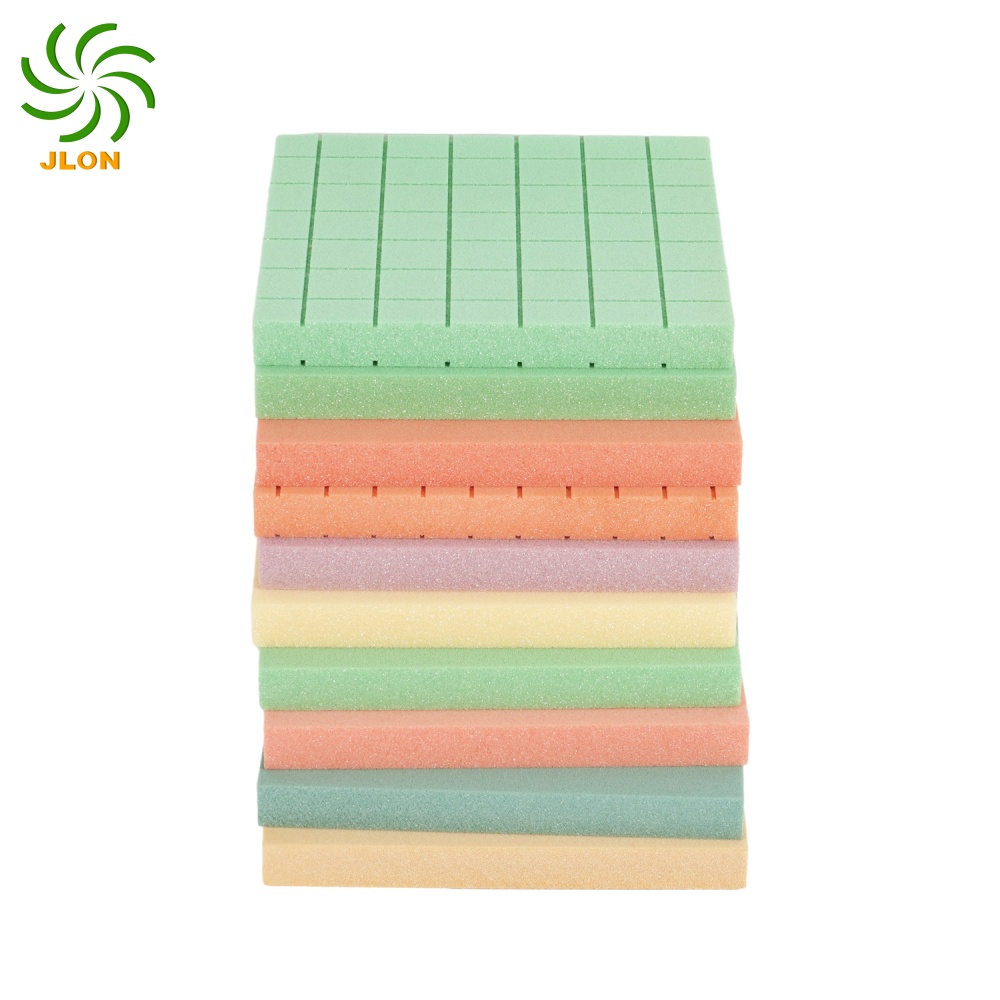
Jlon supplies PVC foam core in multiple densities for marine sandwich construction, including higher-density materials for local reinforcement and fastening areas. Jlon can also provide PET foam core and processed core configurations for different boatbuilding processes.
Material selection should always be confirmed against the structural requirements of the vessel.
High-Density Foam Is Not a Substitute for Sealing
A higher-density foam core provides better compression resistance, but the penetration must still be properly sealed.
Water can travel along an unsealed fastener, through a laminate crack or along a defective bond line regardless of the density of the core.
The high-density insert helps transfer and distribute mechanical loads. The sealed penetration prevents water from reaching the foam core. The bedding compound protects the external interface, while the backing plate spreads the load across the inner skin.
A reliable installation may require all of these elements.
Selecting the Right Foam Core Around Fasteners
Marine core material selection should be based on the complete panel design rather than density alone.
Boatbuilders should consider compression strength, shear strength, fatigue performance, screw retention, resin compatibility, processing temperature, water absorption, panel weight, manufacturing method and certification requirements.
PVC Foam Core for Marine Structures
Closed-cell PVC foam core is widely used in marine hulls, decks, bulkheads and superstructures.
It offers a useful balance of mechanical performance, processability, low water absForption and compatibility with common composite manufacturing processes.
Higher-density PVC foam is often used as local reinforcement where compression loads and fastener retention requirements are more demanding.
Jlon PVC foam core is available in multiple densities and processed configurations for hand lay-up, vacuum infusion and other composite manufacturing processes.
DNV-certified PVC foam core options are available for marine projects requiring recognized material documentation.
PET Foam Core for Marine Panels
PET foam core is a thermoplastic sandwich core used in marine, transportation, wind energy and industrial composite applications.
It can be a practical option for larger panels and cost-sensitive structures, depending on the grade and design requirements. PET foam is also available in different densities and processed formats.
As with PVC foam core, all cut edges, holes and penetrations in PET foam panels should be properly closed out and sealed.
Closed-cell construction reduces water absorption, but it does not eliminate the need to protect machined surfaces and fastener penetrations.
Matching Foam Density to the Load
The general sandwich panel may use a relatively low-density core to reduce weight, while higher-density material is introduced only at concentrated load points.
This approach can improve structural efficiency without making the entire panel heavier and more expensive.
For example, a deck panel may use a standard-density PVC foam core across most of its area, with high-density PVC inserts positioned beneath cleats, rails, hatches and machinery foundations.
However, density should not be selected from a generic chart alone. The final choice should be based on validated material data, laminate construction, fastener geometry and calculated service loads.
Common Installation Mistakes
Many water-ingress failures begin with installation shortcuts that initially appear harmless.
Relying Only on External Sealant
Sealant can eventually lose adhesion or crack under movement. If the core has not been isolated, the failure of one bedding layer may expose the foam directly to water.
An epoxy-potted penetration provides an additional barrier between the fastener and the foam core.
Installing a Bolt Directly Through Low-Density Foam
Installing a bolt directly through the sandwich leaves the core exposed and allows the tightening load to act directly on the foam.
The skins may be pulled together, resulting in local crushing and eventual movement of the fitting.
Overtightening the Hardware
Excessive torque can crush the core, distort the laminate and squeeze the bedding compound out of the joint.
Fastener torque should be appropriate for the hardware, sealant system and local sandwich structure.
Applying Sealant to Wet or Contaminated Surfaces
Oil, wax, sanding dust, release agents and moisture can prevent proper adhesion.
Surface preparation must follow the requirements of the selected bedding compound or adhesive system.
Ignoring the Backing Structure
A large backing plate helps spread load across the inner skin, but it does not automatically protect the foam between the skins.
The complete load path must be considered, including the fitting, fasteners, laminate skins, core insert and backing plate.
Reusing a Damaged Penetration
If a fastener has loosened, installing a larger screw in the same damaged hole may make the problem worse.
The hole should be inspected, dried if necessary, rebuilt and properly resealed before the hardware is reinstalled.
Inspection and Maintenance of Fastened Hardware
Even a properly designed installation should be inspected periodically, particularly in areas exposed to weather, seawater or repeated mechanical loading.
Warning Signs Around Fasteners
Warning signs may include cracked or missing sealant, rust stains, green or white corrosion deposits, loose hardware, movement under load, laminate depressions, persistent dampness, discoloration and soft areas around the fitting.
Moisture meters and percussion testing can assist with screening, but the results should be interpreted by someone familiar with composite sandwich structures.
When Hardware Should Be Re-Bedded
A fitting should be removed and re-bedded when the seal has visibly failed, the hardware moves under load, leakage is detected or the fitting must be removed for maintenance.
Do not wait for water to become visible inside the cabin. Moisture can remain within the sandwich structure before it produces an obvious internal leak.
Repairing an Existing Wet Penetration
Remove the hardware and determine the extent of the affected area.
Small, localized areas may be dried, cleaned and converted into epoxy-potted penetrations. Wet, crushed or debonded foam should be removed and replaced.
Structural fittings and larger damaged areas should be repaired according to an approved marine composite repair procedure.
Practical Fastener Installation Checklist
Before installing hardware, confirm that the expected service load and required safety factor are understood. Make sure the selected foam core type and density are suitable for the location.
High-load areas should have an engineered insert, solid laminate zone or another appropriate form of structural reinforcement. The final fastener hole should be completely isolated from the surrounding foam core.
The laminate, prepared cavity and hardware surfaces must be clean and dry. The epoxy system should be compatible with the foam and laminate, while the bedding compound must be compatible with the surface finish and hardware material.
Washers or backing plates should distribute the load correctly. The hardware must be tightened without crushing the sandwich panel or forcing all the bedding compound out of the joint.
The completed installation should also be included in the vessel’s regular inspection and maintenance program.
How Jlon Supports Marine Sandwich Construction
Preventing water ingress begins during material selection and structural design.
Jlon supplies marine core materials and related composite consumables for boatbuilders producing hulls, decks, bulkheads, superstructures and interior panels.
The Jlon marine product range includes LyProCell PVC foam core, PET foam core, high-density foam for local reinforcement, fiberglass reinforcements and vacuum infusion materials.
Available vacuum consumables include vacuum bagging film, release film, peel ply, infusion mesh and other materials used in composite boat production.
PVC and PET foam options with DNV certification are available for relevant marine projects.
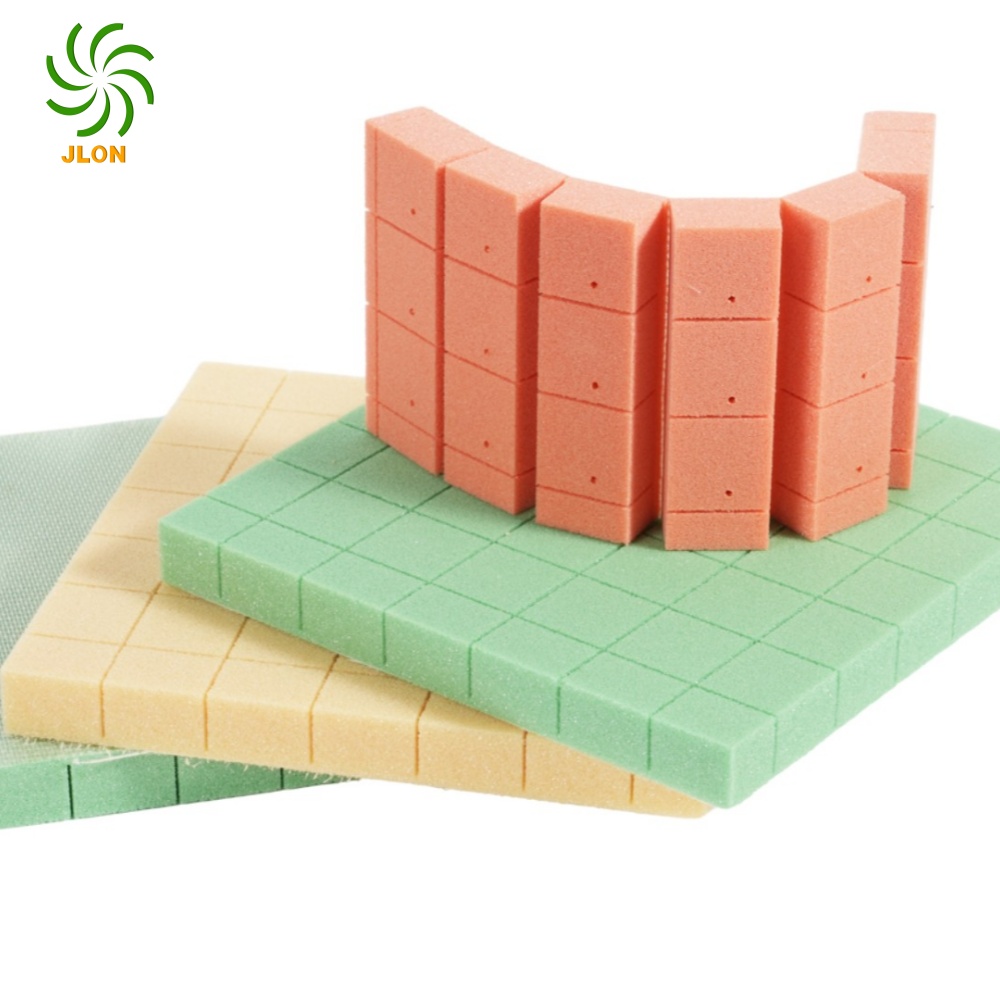
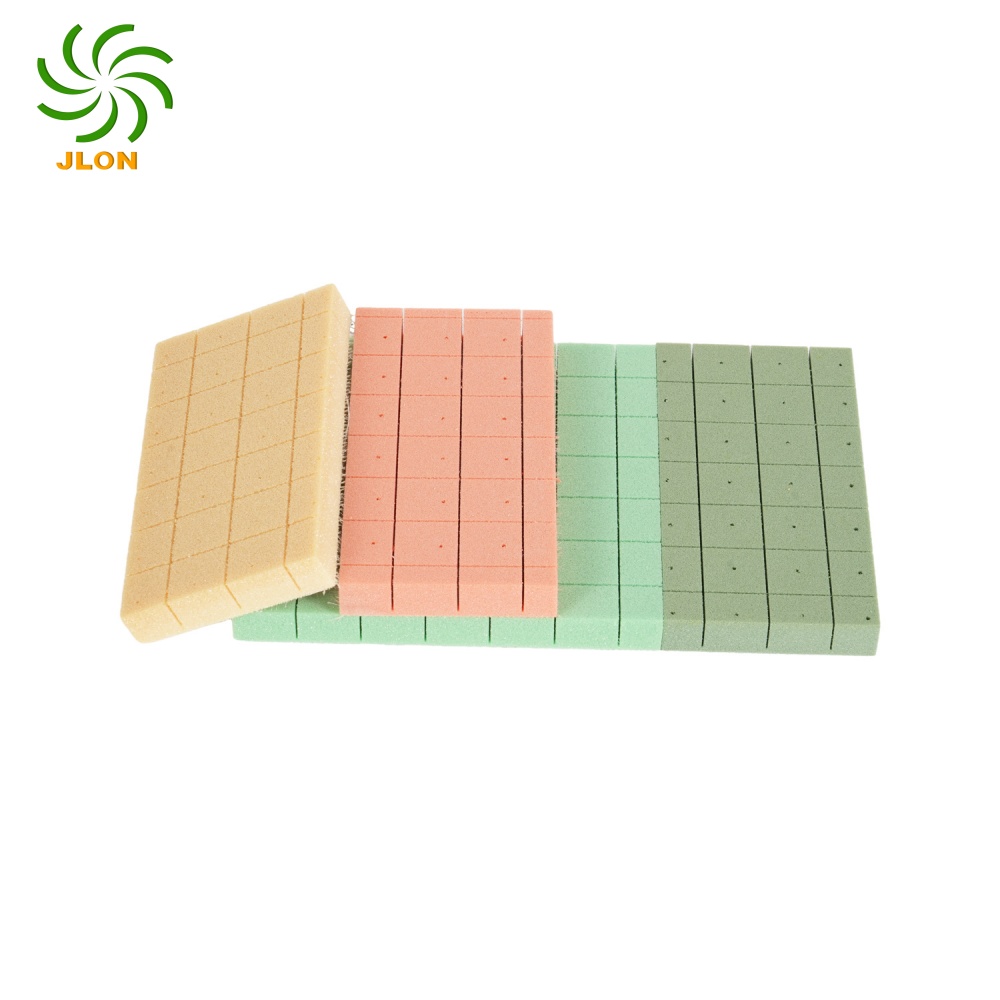
Jlon can also provide processed foam configurations, including grooved, perforated and scrim-backed sheets, to support curved surfaces, resin infusion and different boatbuilding requirements.
With experience supporting marine customers in more than 20 countries, Jlon can help buyers compare foam type, density, thickness, sheet format, processing method and documentation requirements.
Final structural details, including fastener inserts, laminate schedules, backing plates and allowable loads, should be approved by the vessel designer or responsible engineer.
Frequently Asked Questions
Is Closed-Cell Foam Waterproof After Drilling?
Closed-cell PVC and PET foam resist water absorption better than open-cell materials. However, drilling exposes cut cells and creates a direct pathway into the sandwich structure.
Every penetration should therefore be properly isolated and sealed.
Can Marine Sealant Alone Protect the Foam Core?
Sealant is an important part of the installation, but it should not be the only barrier.
An epoxy-potted hole or properly designed insert provides secondary protection if the external bedding seal eventually fails.
Should Every Screw Hole Be Filled with Epoxy First?
The appropriate method depends on the load, accessibility and panel design.
Epoxy potting is widely used for penetrations, but heavily loaded hardware may require a larger structural insert, a solid laminate area or specially engineered reinforcement.
Is High-Density PVC Foam Suitable Around Deck Hardware?
High-density PVC foam can provide better compression strength and local support than a lower-density general-purpose foam core.
However, the required density, insert size, laminate schedule and fastening detail must be determined from the actual loads.
Can Wet Foam Core Simply Be Dried and Resealed?
This may be possible when the moisture is localized and both the foam and bond lines remain structurally sound.
Crushed, degraded or debonded core should be removed and replaced before the penetration is rebuilt. Extensive damage or safety-critical fittings should be evaluated by a qualified composite repair professional.
Conclusion
Reliable fastener installation in a foam core boat depends on keeping water away from the exposed core, preventing the sandwich panel from being crushed and distributing mechanical loads into an appropriate supporting structure.
Sealant alone cannot accomplish all of these objectives.
For many fittings, an epoxy-potted penetration combined with compatible marine bedding and proper backing provides an effective solution. Higher-load areas may also require high-density PVC foam inserts, solid laminate zones or purpose-designed structural reinforcement.
Regular inspection is equally important. Loose fittings, cracked sealant, laminate depressions, corrosion staining and soft areas should be investigated before a minor leak develops into extensive core damage.
For assistance selecting PVC foam core, PET foam core, high-density inserts or processed marine core materials, contact Jlon with your required density, thickness, sheet format, production process and certification requirements.