



Table of Contents
The transom is one of the most highly loaded structural areas of an outboard-powered boat. It supports the engine weight, transfers propulsion loads into the hull and withstands continuous vibration, wave impact and changing operational forces. For this reason, selecting the correct PVC foam core for boat transoms involves more than choosing a standard foam sheet.
The appropriate PVC foam density, thickness and reinforcement method depend on the boat size, engine configuration, transom geometry, laminate design, manufacturing process and operating conditions. A lightweight recreational boat fitted with a small outboard engine does not require the same transom structure as a high-speed patrol boat equipped with two or three high-horsepower engines.
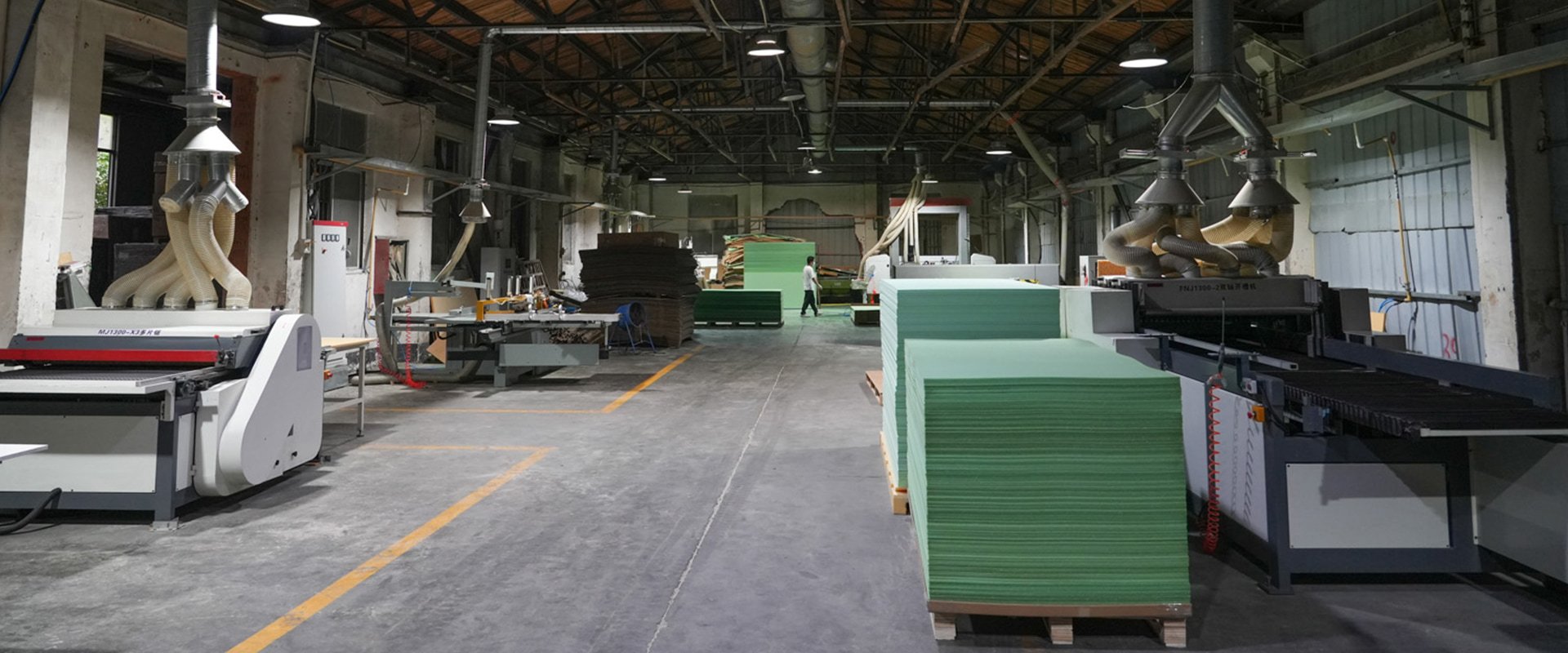
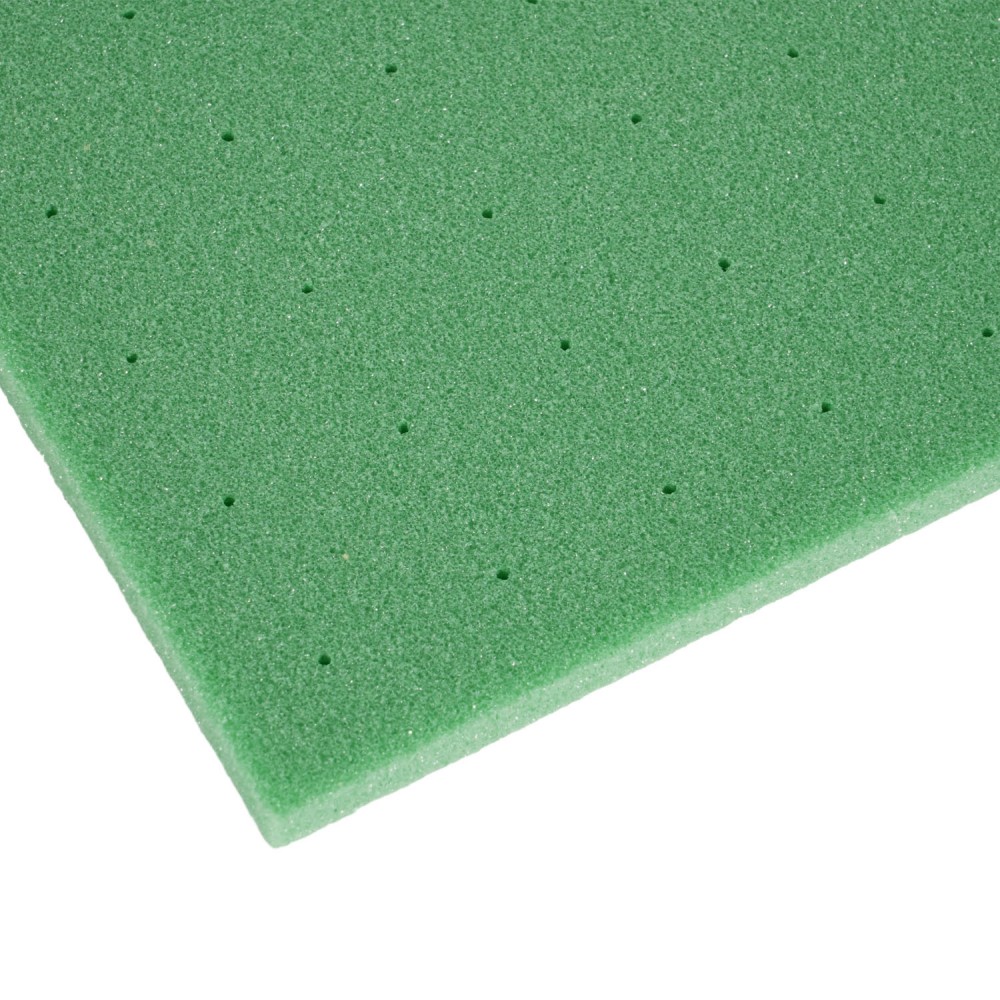
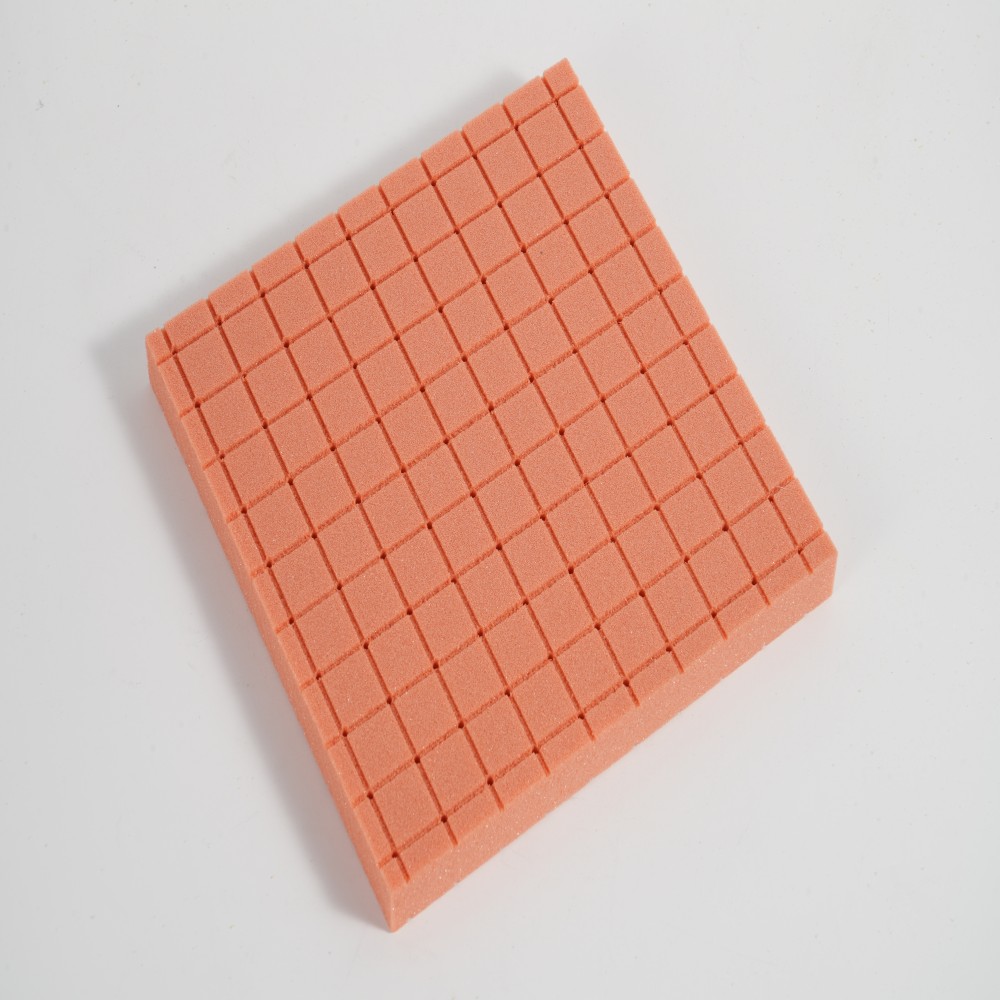
JLON supplies closed-cell structural PVC foam core in different densities, thicknesses and processing formats for marine sandwich construction. Available formats include plain sheets, perforated sheets, scored sheets, grooved sheets and customized CNC-machined components. Material selection and processing formats can be adjusted according to the customer’s resin system, production method and structural requirements.
Why Use PVC Foam Core in a Boat Transom?
Traditional boat transoms have often been constructed with marine plywood laminated between fiberglass skins. Properly selected and sealed plywood can provide good compressive strength and fastener retention. However, if water enters through damaged laminates, inadequately sealed edges or poorly protected bolt holes, the plywood may absorb moisture. Long-term exposure can eventually cause swelling, delamination or rot.
A properly designed composite boat transom using structural PVC foam eliminates the risk of biological rot. It can also reduce weight and provide more consistent properties throughout the transom panel.
Closed-cell PVC foam has low water absorption and good resistance to marine moisture. It provides a useful balance of shear strength, compressive performance, stiffness and weight. The material can be cut, shaped, bonded and machined into different transom configurations.
Marine PVC foam core is compatible with common composite manufacturing processes, including hand lay-up, vacuum bagging and vacuum infusion. Depending on the selected grade, it can generally be used with polyester, vinyl ester and epoxy resin systems.
PVC foam must still be treated as one component of a complete sandwich structure. It does not replace the fiberglass skins, internal stiffeners, transom knees or high-density inserts required to transfer engine loads into the hull.
Areas exposed to concentrated loading normally require additional reinforcement. These areas include engine mounting bolts, towing eyes, lifting points, swim-platform brackets, steering equipment, ladders, trim tabs and other through-bolted fittings.
Recommended PVC Foam Density for Boat Transoms
PVC foam density affects compressive strength, shear strength, stiffness, weight and cost. Higher-density foam generally provides better resistance to localized compression and mechanical loading. However, it also increases the weight and material cost of the transom.
There is no single PVC foam density suitable for every boat transom. The following density ranges can be used as preliminary selection references. Final material selection should be confirmed by the boat designer, naval architect or qualified structural engineer.
80–100 kg/m³ PVC Foam for Light-Duty Transoms
PVC foam with a density of approximately 80–100 kg/m³ may be considered for lightweight boats and relatively low-load transom structures when it is combined with an appropriate fiberglass laminate.
Possible applications include small recreational boats, dinghies, tenders, lightweight electric boats, small fishing boats and boats fitted with low-power outboard engines. This density range may also be used in secondary transom areas that do not directly carry concentrated engine or hardware loads.
The main advantage of 80–100 kg/m³ PVC foam is its favorable strength-to-weight ratio. It can help reduce total boat weight while providing adequate structural support for appropriately designed light-duty applications.
However, boat length should not be the only selection factor. Engine weight, engine horsepower, maximum operating speed, expected wave impact and the distance between the engine mounting area and the internal supporting structure must also be evaluated.
Standard-density foam should not normally be used directly beneath engine bolts without suitable reinforcement. High-density inserts or another engineered load-distribution system should be installed in concentrated load areas.
100–130 kg/m³ PVC Foam for General Marine Transoms
PVC foam in the 100–130 kg/m³ density range may be considered for general structural marine applications requiring higher shear and compressive properties than lightweight sandwich panels.
Typical applications can include medium-sized recreational boats, center-console boats, fishing boats, rigid inflatable boats and workboats with moderate transom loads. It may also be suitable for some single- or twin-outboard installations, subject to structural verification.
For many projects, 100 kg/m³ PVC foam core or 130 kg/m³ PVC foam core provides a practical starting point for material evaluation. The foam can form the main structural core when it is properly bonded to the inner and outer fiberglass skins and connected to the surrounding hull structure.
The effectiveness of the transom depends on how the complete structure transfers engine loads. The transom should therefore be connected to the hull bottom, side shell, deck, stringers and internal reinforcement members.
The nominal foam density should always be reviewed together with the actual mechanical properties stated in the product technical data sheet.
130–200 kg/m³ PVC Foam for High-Load Transom Structures
For larger engines, high-speed boats and demanding commercial applications, designers may consider PVC foam in the 130–200 kg/m³ range.
Possible applications include high-speed powerboats, large center-console boats, patrol craft, rescue boats, commercial workboats and transoms fitted with twin or multiple outboard engines.
Higher-density PVC foam generally offers greater resistance to shear deformation and compressive loading. It can improve the transfer of loads between the inner and outer fiberglass skins and reduce the risk of core deformation under demanding operating conditions.
Using higher-density foam does not eliminate the need for local reinforcement. Engine bolts and other hardware can create concentrated bearing loads that exceed the capacity of the surrounding core. These locations should be independently evaluated and reinforced.
200–250 kg/m³ PVC Foam for Local Reinforcement
PVC foam with a density of approximately 200–250 kg/m³ is often used as a localized insert rather than as the core material for the entire transom.
High-density PVC foam inserts may be installed around outboard engine mounting bolts, stern-drive openings, towing eyes, swim-platform brackets, trim-tab mounting points, ladder connections, hinges, steering equipment and other through-bolted hardware.
This multi-density construction allows the manufacturer to use a lighter structural core across the main transom area while placing high-density material only where increased compressive and bearing performance is required.
The insert should extend beyond the immediate bolt-hole area so that concentrated loads can be distributed into a larger section of the sandwich panel. The required insert dimensions depend on the bolt size, tightening force, hardware configuration and expected structural load.
Density Alone Does Not Determine Performance
Two PVC foam products with the same nominal density may have different mechanical properties. Density should therefore not be used as the only basis for comparison.
Important technical data include compressive strength, compressive modulus, shear strength, shear modulus, tensile strength, water absorption, dimensional stability, fatigue performance, processing temperature and compatibility with the selected resin system.
Marine certification may also be required for commercial vessels, classed boats or specific customer projects. JLON can provide the relevant product data and available certification information for preliminary evaluation. Final structural approval should remain with the customer’s qualified designer or engineer.
Recommended PVC Foam Thickness for Boat Transoms
The required boat transom core thickness depends on engine loading, transom dimensions, fiberglass skin thickness, transom angle, internal support structure and allowable panel deflection.
Common PVC foam thicknesses considered for boat transom construction include 20 mm, 25 mm, 30 mm, 40 mm and 50 mm. Heavier structures may use thicker core sections produced by bonding multiple sheets together.
20–25 mm for Small and Lightweight Structures
PVC foam with a thickness of approximately 20–25 mm may be considered for small boats, lightweight transom panels or structures carrying limited engine loads.
This thickness range may also be used as one layer in a multi-layer transom construction. Thinner sheets are relatively easy to shape and can follow mildly curved surfaces.
A 20 mm or 25 mm PVC foam sheet should not be selected based only on boat length. A short high-speed boat with a powerful outboard engine may generate greater transom loads than a longer, slower boat with a lighter propulsion system.
30–40 mm for Medium-Duty Boat Transoms
A PVC foam thickness of approximately 30–40 mm may be considered for medium-duty marine sandwich structures.
This range can increase panel stiffness without requiring the weight of a thick solid fiberglass laminate. It may be suitable for recreational powerboats, fishing boats and workboats when combined with appropriate inner and outer laminates, stringer connections and transom knees.
Increasing the core thickness increases the distance between the two fiberglass skins. This can significantly improve the bending stiffness of the sandwich panel without a proportional increase in weight.
A thicker core does not compensate for insufficient density, poor bonding or an inadequate laminate schedule. Thickness and density must be evaluated together.
40–50 mm or More for Heavy-Duty Transoms
High-load transoms may require a core thickness of 40–50 mm or greater. This range may be considered for large outboard-powered boats, twin- or multiple-engine installations, patrol craft, rescue boats and heavy commercial workboats.
When the required thickness is not available as one standard sheet, several layers of PVC foam can be bonded together.
The bonding adhesive should be applied evenly across the entire surface. Staggered joints can help prevent the formation of a continuous weak plane. Vacuum bagging may also be used to provide uniform pressure while the bonding adhesive cures.
Thickness Must Be Evaluated with the Complete Laminate
A thick PVC foam core with inadequate fiberglass skins may still fail under engine loading. Likewise, adding heavy fiberglass laminates cannot always compensate for an unsuitable core, insufficient bonding or poor structural connections.
The final design should consider the outer fiberglass skin, inner fiberglass skin, core density, core thickness, engine mounting pattern, bolt preload, transom height, transom width, internal stiffeners, connection to the stringers and bulkheads, drainage design and expected fatigue loads.
How to Reinforce a PVC Foam Transom
A reliable composite transom normally combines structural PVC foam with fiberglass laminates, high-density inserts and properly designed connections to the surrounding hull.
Fiberglass Skin Reinforcement
The inner and outer fiberglass skins carry much of the tensile and compressive loading in a sandwich transom. Depending on the structural design, the reinforcement may include biaxial fiberglass fabric, triaxial fiberglass fabric, woven roving, chopped strand mat or unidirectional fiberglass.
Carbon fiber may be used in specialized lightweight or high-performance structures, although it is generally more expensive and requires careful engineering.
Biaxial and multiaxial fiberglass fabrics are commonly used because their fiber orientations can efficiently transfer loads across the transom and into the hull structure.
The laminate schedule must be designed for the selected resin system and manufacturing method. Simply adding more fiberglass does not always produce a better transom. Excess resin, trapped air, poor fiber alignment and incomplete consolidation can reduce laminate performance.
High-Density Inserts Around Engine Bolts
Outboard engine mounting bolts apply concentrated compressive loads over relatively small areas. If the bolts transfer their loads directly into standard-density PVC foam, the core may be compressed or crushed.
A common solution is to remove the standard structural foam from the engine mounting zone and replace it with high-density PVC foam, structural composite board, solid fiberglass laminate or another approved insert material.
The insert must be large enough to distribute the load beyond the immediate bolt area and into the surrounding sandwich structure.
Filling only a small drilled hole with resin may not provide sufficient load distribution for a high-powered outboard engine. The size and material of the insert should be determined according to the structural load and mounting arrangement.
Transom Knees, Stringers and Bulkhead Connections
The boat transom should not function as an isolated panel. Engine weight, thrust, vibration and wave-impact loads must be transferred from the transom into the hull structure.
This load path may include transom knees connected to the hull bottom, longitudinal stringers bonded to the transom, side supports connected to the hull shell, internal bulkheads, reinforced motor-well structures and deck connections.
Sharp structural transitions can create stress concentrations. Proper bonding fillets, smooth radii and overlapping fiberglass tapes help distribute loads more gradually between the transom and adjacent structures.
Edge and Penetration Sealing
Although closed-cell PVC foam has low water absorption, every cut edge, bolt hole and hardware penetration should be properly sealed.
Exposed foam edges can be sealed with a compatible resin or structural adhesive. For hardware installation, the hole may be over-drilled, filled with a suitable structural resin compound and then re-drilled to the required final diameter after curing.
A compatible marine sealant should also be applied during hardware installation. Bolt holes, fittings and sealed edges should be inspected during routine boat maintenance.
Proper sealing protects the laminate interfaces and improves the bearing performance of the mounting area.
PVC Foam Transom Manufacturing Methods
JLON marine PVC foam core can be supplied for hand lay-up, vacuum bagging and vacuum infusion processes. The most appropriate sheet format depends on the transom geometry, resin system and production method.
Hand Lay-Up
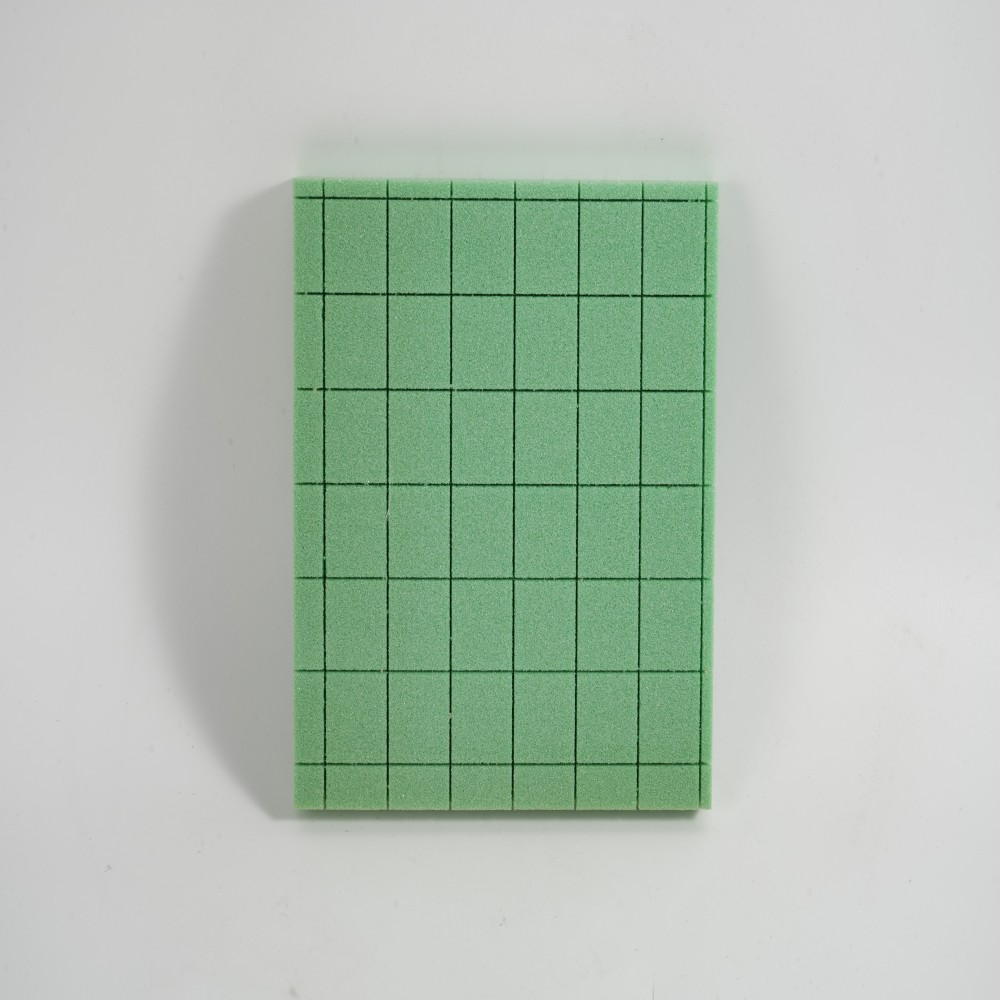
In a hand lay-up process, plain or scored PVC foam sheets can be bonded to a cured outer laminate or incorporated into a wet laminate system.
The installer must ensure complete contact between the foam and the laminate. Unsupported gaps, inadequate adhesive coverage or trapped air can create weak areas.
The manufacturer must also control resin consumption and confirm that grooves, scores and surface gaps are adequately filled.
Vacuum Bagging
Vacuum bagging applies relatively uniform pressure across the transom panel while the adhesive or laminate cures.
This method can improve contact between the fiberglass skins and PVC foam core, reduce voids and produce a more consistent bond line.
The vacuum level, bagging materials, breather arrangement and curing cycle should be suitable for the selected foam, resin and adhesive system.
Vacuum Infusion
For vacuum-infused transoms, PVC foam may be supplied with perforations, grooves or a combination of both to support resin flow.
The processing pattern must match the resin viscosity, panel dimensions and infusion strategy. An unsuitable flow pattern can result in dry areas, slow infusion or excessive resin consumption.
Customers should provide information about their resin system, infusion layout and preferred sheet format when requesting customized infusion PVC foam core.
Choosing the Right PVC Foam Core from JLON
To recommend a suitable PVC foam grade and prepare an accurate quotation, JLON needs basic information about the boat, transom and manufacturing process.
The project information should include the boat type, intended use, boat length, maximum speed, transom dimensions, number of engines, individual engine weight, total engine horsepower and whether the propulsion system uses an outboard engine, inboard engine or stern drive.
Material information should include the required PVC foam density, thickness, sheet dimensions, resin system and fiberglass laminate design.
Processing information should specify whether the transom will be manufactured by hand lay-up, vacuum bagging or vacuum infusion. Customers should also indicate whether they require plain, perforated, scored, grooved or scrim-backed foam.
Commercial information should include the estimated order quantity, required certification, delivery destination and any customized machining requirements.
Based on this information, JLON can help identify a suitable marine-grade PVC foam core for technical and commercial evaluation.
Available JLON PVC Foam Core Options
JLON supplies structural PVC foam core in multiple densities and thicknesses for marine sandwich construction.
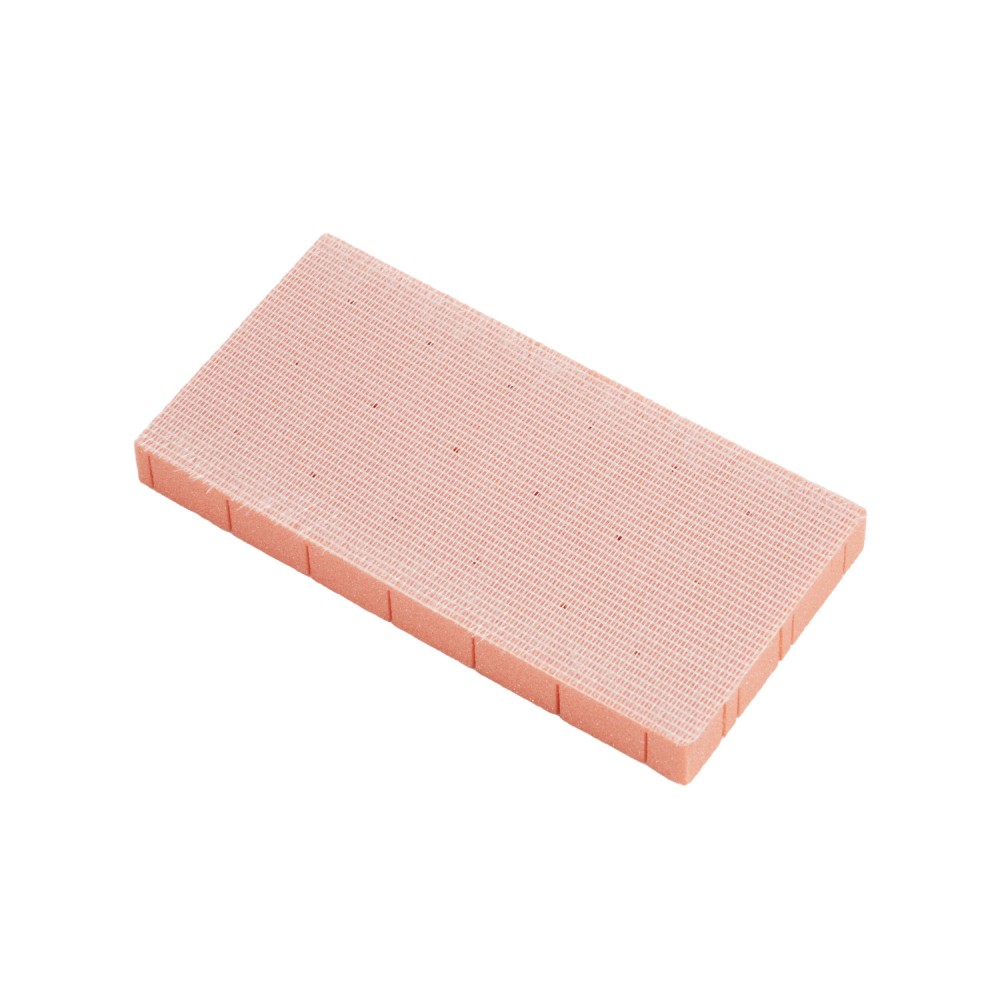
Available processing options include plain sheets, perforated sheets, single-cut sheets, double-cut sheets, grooved and perforated infusion sheets, scrim-backed contourable sheets, CNC-machined components and customized transom core kits.
High-density PVC foam inserts can also be supplied for engine mounting areas and other concentrated load points.
DNV-certified PVC foam grades are available for applicable projects. Certification requirements should be confirmed when requesting a quotation.
Custom sheet dimensions, machining patterns and kit configurations can be discussed according to the required quantity and production process.
PVC Foam Core Versus Plywood for Boat Transoms
Both PVC foam and marine plywood can be used successfully when the transom is properly designed, manufactured and sealed. The best choice depends on the production process, weight target, structural requirements and project budget.
PVC foam does not rot and has low water absorption. It provides consistent density, supports lightweight sandwich construction and can be supplied as shaped or machined components. It also integrates effectively with advanced composite manufacturing processes.
Marine plywood offers relatively high local bearing strength, good screw retention and familiar processing methods. In some markets, it may also have a lower initial material cost.
However, plywood requires complete encapsulation and careful sealing. If water enters through damaged laminates or improperly sealed penetrations, long-term deterioration may occur.
A PVC foam transom provides better resistance to rot and can reduce weight, but engineered inserts are generally required at engine bolts and other highly loaded hardware locations.
Common Mistakes When Building a PVC Foam Transom
Selecting Density Based Only on Boat Length
Two boats of the same length can have very different engine power, operating speed and structural loads. PVC foam density should be selected according to the actual engine arrangement and operating conditions.
Using One Density Throughout the Entire Transom
A multi-density construction is often more efficient. Standard structural PVC foam can be used across the main panel, while high-density inserts are placed at engine mounts and hardware locations.
Ignoring the Structural Load Path
A strong transom panel can still fail if it is not properly connected to the stringers, hull bottom, side shell, deck and internal reinforcement.
Drilling Directly Through Standard-Density Foam
Through-bolting directly through low- or medium-density foam can cause local compression. High-density inserts, solid laminate areas, compression sleeves or other engineered reinforcement should be considered.
Allowing Voids in the Core Bond
Insufficient adhesive, uneven pressure, surface contamination and trapped air can reduce the bond between the PVC foam and fiberglass skins.
Treating Typical Values as Final Design Specifications
General density and thickness ranges are preliminary references. They are not universal engineering specifications for every boat. Final structural design should be verified for the specific transom and engine configuration.
Frequently Asked Questions About PVC Foam Boat Transoms
What Density PVC Foam Is Best for a Boat Transom?
There is no universal density for every transom. PVC foam of approximately 80–100 kg/m³ may be considered for lightweight applications. Densities of approximately 100–200 kg/m³ may be evaluated for more heavily loaded transoms. High-density PVC foam of approximately 200–250 kg/m³ is often used for localized reinforcement around engine bolts and hardware.
How Thick Should PVC Foam Be for a Boat Transom?
Common core thicknesses range from approximately 20 mm to 50 mm or more. Small, lightly loaded boats may use thinner cores, while high-powered or commercial boats may require thicker or multi-layer structures. Final thickness depends on the complete laminate and supporting structure.
Can PVC Foam Hold Outboard Engine Bolts?
Standard-density PVC foam should not normally carry concentrated engine bolt loads without reinforcement. High-density inserts, structural composite board, solid fiberglass laminate or another engineered load-distribution system should be installed around the mounting points.
Can PVC Foam Replace Marine Plywood in a Transom?
Yes. Structural PVC foam can replace marine plywood in a properly engineered composite transom. However, the fiberglass skins, core density, core thickness, high-density inserts and connections to the hull must be designed as one complete structural system.
Is PVC Foam Compatible with Polyester, Vinyl Ester and Epoxy Resin?
Marine-grade cross-linked PVC foam is generally available for use with polyester, vinyl ester and epoxy resin systems. Compatibility should be confirmed for the specific foam grade, resin formulation and curing temperature.
Is PVC Foam Suitable for Vacuum Infusion?
Yes. Perforated, grooved and scored PVC foam can be supplied for vacuum infusion. The processing pattern should be selected according to the resin viscosity, panel geometry and infusion strategy.
Does PVC Foam Absorb Water?
Closed-cell PVC foam has low water absorption. However, cut edges, holes, fittings and laminate interfaces must still be properly sealed to achieve long-term durability in a marine environment.
Order Marine PVC Foam Core from JLON
JLON supplies PVC foam core for boat transoms, hulls, decks, bulkheads, stringers and other marine sandwich structures.
Available products include multiple foam densities, standard and customized thicknesses, infusion flow formats, contourable sheets, CNC-machined components and high-density reinforcement inserts.
To receive a product recommendation and quotation, please provide the required density, thickness, sheet dimensions, processing format, resin system, manufacturing method, estimated quantity and delivery destination.
For load-bearing boat transoms, customers should also provide basic information about the boat and engine arrangement. JLON can assist with PVC foam material selection and product configuration. Final laminate design and structural approval should be completed by a qualified marine engineer or naval architect.