



Table of Contents
1. Overview of the UAE Marine‑building Market
The UAE has one of the Middle East’s most active marine sectors, covering luxury yacht construction, leisure boats, commercial vessels, patrol craft, refit projects, and composite component manufacturing.
For these applications, builders need core materials that reduce weight without sacrificing stiffness, fatigue resistance, and long‑term durability. This is why marine‑grade PVC foam core remains a preferred material for many sandwich composite structures.
Choosing a PVC foam core supplier in the UAE involves more than comparing sheet prices. Boatbuilders must evaluate material performance, density consistency, resin compatibility, surface processing, technical documentation, delivery reliability, and the supplier’s ability to support repeat production.
This 2026 guide reviews notable manufacturers and suppliers serving UAE boatbuilding companies and explains how to choose PVC foam core for hulls, decks, bulkheads, and superstructures.
2. Why UAE Boatbuilders Use PVC Foam Core
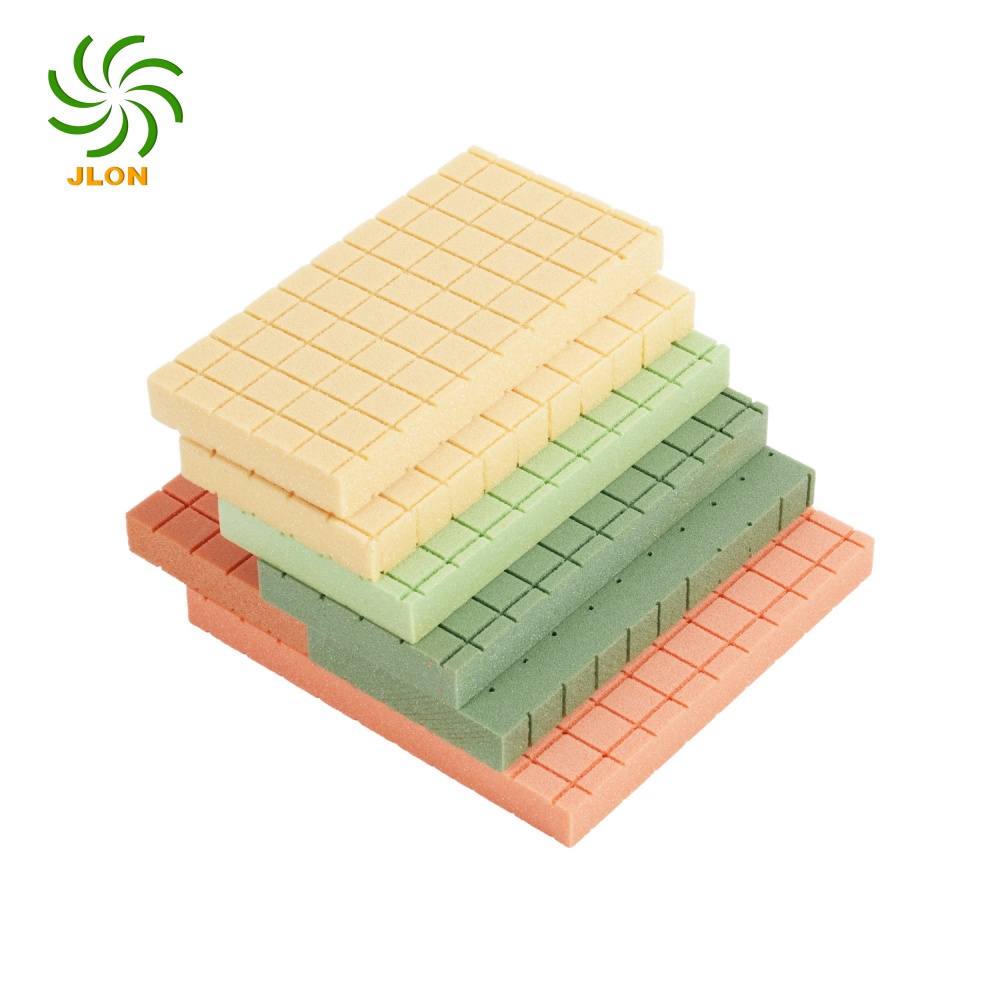
PVC foam core is a rigid, closed‑cell structural foam used between fiberglass or carbon‑fiber skins. In a sandwich panel, the outer skins carry tensile and compressive loads while the core separates the skins, transfers shear loads, and increases panel stiffness with relatively little additional weight.
For UAE boatbuilders, this combination is particularly valuable. Lightweight structures can improve speed, fuel efficiency, payload capacity, range, and handling. The closed‑cell structure and low water absorption of a suitable marine PVC foam core also make it well suited to humid, saline environments.
2.1 Typical marine applications
Hull bottoms and hull sides
Decks and cabin roofs
Bulkheads and interior partitions
Flybridges and yacht superstructures
Hatches, doors, and furniture panels
Transoms and localized reinforcement zones
Engine beds and equipment mounting areas when an appropriate high‑density core is specified
PVC foam core works with hand lay‑up, vacuum bagging, vacuum infusion, and RTM. It is commonly combined with polyester, vinyl ester, or epoxy resin, subject to confirmation of the exact grade and process conditions.
3. Evaluation Criteria for Selecting PVC Foam Core Suppliers
This supplier list covers international manufacturers servicing UAE clients and local regional dealers for on‑site procurement. Ranking does not depend purely on enterprise scale.
3.1 Key assessment factors
We considered marine product range, density and mechanical consistency, technical documentation, customization, UAE delivery, and commercial support.
Strong suppliers should offer multiple densities and surface configurations, including grid scoring, perforation, grooves, scrim backing, or CNC kits. They should also explain MOQ, lead time, test methods, batch control, and claims procedures.
Final laminate approval remains the responsibility of the boat designer or qualified engineer.
4. Best PVC Foam Core Suppliers Serving UAE Boatbuilders in 2026
The companies below represent different sourcing models. Some are global core‑material manufacturers, while others provide regional stock or access to marine composite materials. The best choice depends on project volume, approval requirements, delivery time, and budget.
4.1 JLON Composite / Jloncell — Flexible Factory Supply for UAE Projects
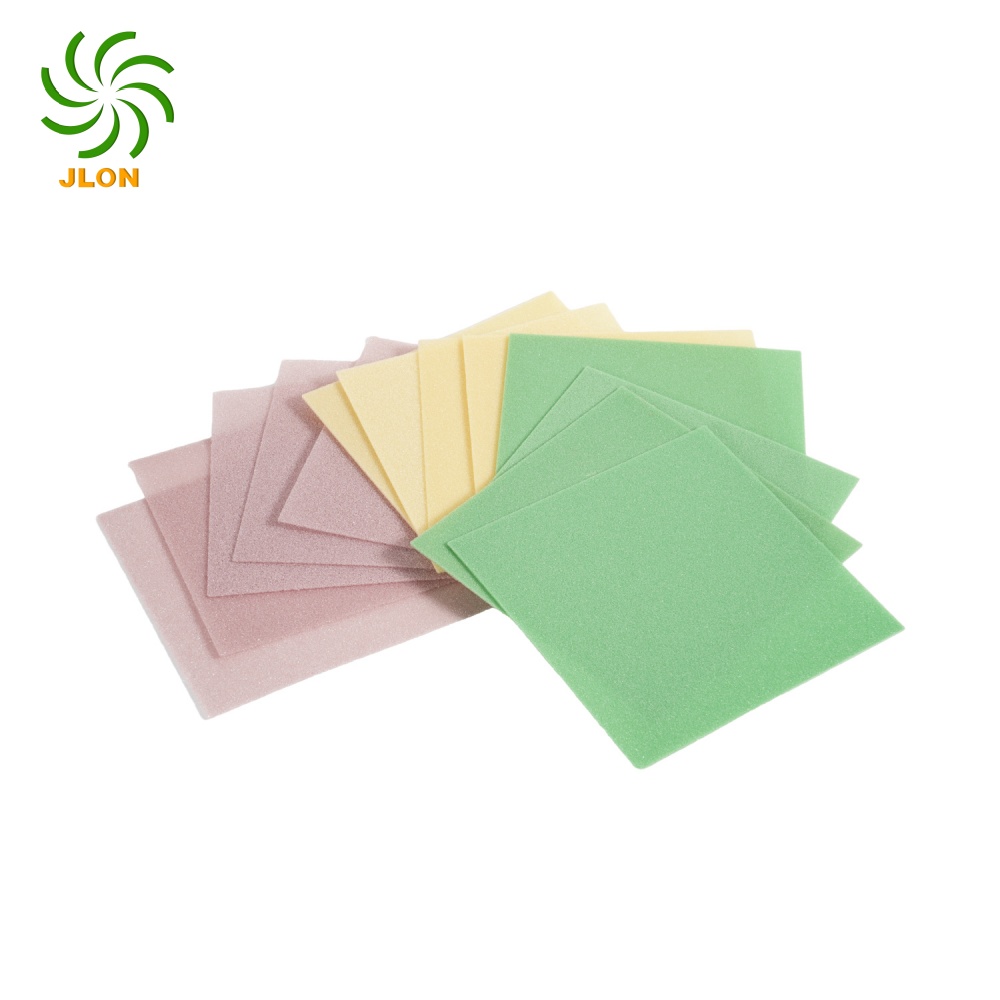
JLON Composite supplies structural core materials and composite reinforcements to international customers, while Jloncell is its specialized core‑material platform. Its cross‑linked PVC foam core is available in a broad density range for marine, wind‑energy, transportation, UAV, and industrial composite applications.
For UAE boatbuilders, JLON’s principal advantage is flexible specification and processing support. Options include plain, grooved, perforated, scrim‑backed and grid‑scored sheets, plus customized cutting for vacuum infusion and curved sandwich structures.
4.1.1 Key Strengths
Wide selection of densities and thicknesses
Customized sheet size and surface treatment
CNC cutting and project‑specific processing
Compatibility with common marine resin systems
Consolidated supply of core materials and composite reinforcements
Competitive direct‑import option for planned production
JLON can also supply fiberglass cloth for composite skins. Purchasing foam core and fiberglass reinforcement from one source may simplify supplier coordination and container consolidation, although each material must still be approved against the project specification.
It is suitable for UAE boatyards, panel manufacturers, distributors, and OEMs seeking customized specifications and stable repeat supply.
4.2 DIAB — Established Global Marine Core‑Material Supplier
DIAB is one of the most recognized names in structural core materials and has decades of experience in marine sandwich construction. Its Divinycell product family is widely associated with leisure craft, commercial vessels, naval applications, and other demanding composite structures.
DIAB is also known for engineering support, application knowledge, processed core kits, and an extensive grade range. These capabilities matter in larger projects requiring repeatability or classification‑related documentation.
4.2.1 Key Strengths
Long track record in marine composite applications
Broad range of structural foam grades
Engineering and sandwich‑design support
Kits and processed core options
International brand recognition
It is a strong candidate for demanding yachts, commercial vessels, naval craft, and projects where material history matters more than the lowest price.
4.3 3A Composites Core Materials — AIREX Marine Foam Solutions
3A Composites Core Materials supplies AIREX structural foams used in marine, transportation, wind‑energy, and industrial applications. AIREX products are familiar to many composite designers and boatbuilders, particularly for lightweight sandwich structures exposed to cyclic loads and demanding environmental conditions.
Its multiple foam technologies help designers compare PVC with PET or other cores according to performance, processing temperature, weight, and sustainability objectives.
4.3.1 Key Strengths
Established AIREX brand
Broad experience in marine sandwich construction
Multiple structural core technologies
Technical data and application guidance
Suitable options for high‑performance composite structures
It is relevant to builders already specifying AIREX or comparing several core technologies within one portfolio.
4.4 Gurit — Integrated Materials and Engineering Support
Gurit supplies core materials, composite laminating products, adhesives, and engineering services for marine and other advanced composite industries. Its integrated approach can benefit boatbuilders that prefer to evaluate the core as part of a complete laminate system rather than as an isolated sheet material.
Gurit is relevant to performance vessels and production boatbuilding. Availability and approved grades should be confirmed through its current sales channel.
4.4.1 Key Strengths
Marine composite expertise
Structural foam and complementary composite materials
Engineering and process support
Experience with performance‑driven applications
International supply capabilities
4.5 CoreLite — Marine‑Focused Structural Core Options
CoreLite supplies structural core materials for marine, transportation, construction, and industrial composite applications. Its product range includes foam and other core solutions intended for lightweight sandwich panels.
UAE buyers can consider CoreLite when comparing international marine foam brands. The exact grade, shipping arrangement, minimum order, and regional availability should be confirmed directly.
4.5.1 Key Strengths
Focus on structural core materials
Products for marine sandwich construction
Multiple density and application options
International project experience
4.6 Carbon Studio — UAE‑Based Access to Structural Foam
Carbon Studio operates in the UAE composite‑material market and lists structural PVC foam for applications including shipbuilding, wind energy, automotive, aerospace, sports equipment, and containers.
A regional supplier can be valuable when customers need smaller quantities, faster delivery, local communication, or material for prototype and repair work. Buyers should still request the manufacturer, current data sheet, available density and thickness, storage history, resin compatibility, and batch traceability.
4.6.1 Key Strengths
UAE market presence
Potentially shorter delivery for available stock
Convenient for trials, repairs, and smaller requirements
Access to additional composite materials
4.7 Zawraq Marine Technology — Local Marine Purchasing Option
Zawraq Marine Technology markets PVC foam products for boatbuilding and composite applications in the UAE. Its local marine orientation makes it a practical supplier to check when a yard needs standard sheets quickly or wants to purchase within the domestic market.
Buyers should verify that the quoted product is structural, cross‑linked marine PVC foam not general‑purpose PVC board and that the required specification is in stock.
4.7.1 Key Strengths
UAE‑based marine market focus
Potential access to standard sheet sizes
Convenient local enquiry and delivery
Suitable for urgent or relatively small orders, subject to stock
5. Comparison of PVC Foam Core Sourcing Options in the UAE
Supplier | Supply Model | Main Advantage | Most Suitable Requirement |
|---|---|---|---|
JLON Composite / Jloncell | International factory supply | Customization and competitive project supply | Production orders and customized processing |
DIAB | Global manufacturer | Marine history and engineering support | High‑specification vessels and approved designs |
3A Composites | Global manufacturer | Recognized AIREX portfolio | Multi‑material evaluation and established specifications |
Gurit | Global materials and engineering supplier | Integrated composite solutions | Engineering‑led and performance projects |
CoreLite | International core‑material supplier | Alternative marine core portfolio | Supplier comparison and project sourcing |
Carbon Studio | UAE‑based supplier | Local access and smaller quantities | Prototypes, repairs, and urgent needs |
Zawraq Marine Technology | UAE marine supplier | Domestic purchasing convenience | Standard sheets and local delivery |
This is a sourcing starting point, not engineering approval. Product ranges and availability can change, so buyers should obtain current quotations and technical documents.
6. Guide on Choosing the Right PVC Foam Core for a Boat
Selecting a supplier is only half the decision. The correct density and processing format must match the location and load case.
6.1 Select Density by Structural Demand
Lower‑density foam reduces weight, suited for lightly loaded interiors or superstructure panels
Medium‑density grades are commonly adopted for hull sides, decks, and general structural areas
Higher‑density foam is used around concentrated loads, hardware, inserts, through‑bolts, engine foundations, door frames, windows, keel zones, and other reinforced locations
A qualified designer should define the required compressive and shear properties for each area. One density throughout a boat rarely optimizes weight, cost, and strength.
6.2 Match the Surface Treatment to the Process
6.2.1 Plain, Scored, and Infusion Formats
Plain sheets suit flat panels and CNC parts
Grid‑scored, scrim‑backed foam conforms to curved hulls and decks
Grooves and perforations support air removal and resin flow during infusion
Because cuts can increase resin uptake, buyers should compare patterns through representative trials.
6.3 Confirm Resin and Processing Compatibility
Marine PVC foam core is commonly used with polyester, vinyl ester, and epoxy systems, but compatibility should be confirmed for the specific grade.
Review cure temperature, exotherm, vacuum pressure, adhesive selection, and post‑cure conditions. Excessive heat can distort a foam that is otherwise mechanically suitable.
6.4 Request Samples and Test a Representative Laminate
Before changing suppliers, manufacture a representative panel using the intended fiberglass, resin, adhesive, vacuum level, cure cycle, and surface treatment.
Check bonding, resin uptake, stability, surface quality, and relevant mechanical properties.
7. Direct Import or Local UAE‑Based Stock
Neither sourcing method is always superior.
7.1 Local UAE‑based suppliers
Advantages are faster access, smaller‑order support, convenient communication, low‑risk material for prototypes and emergency repairs
Drawbacks are higher unit cost, limited choices of density, thickness and processed formats
7.2 Direct factory supply
Advantages are cost‑effective for repeated production, custom‑made core kits and full‑container shipments
Drawbacks are production lead‑time, sea‑freight waiting period, customs clearance and advance inventory‑planning work
7.3 Practical procurement strategy
Use locally stocked foam during product development, and adopt factory‑direct supply for formalised production.
Boat yards can keep frequently‑used standard sheets in local inventory and import custom‑processed or high‑volume foam according to the construction schedule.
8. Essential Questions to Ask Your PVC Foam Core Supplier
Before issuing a purchase order, UAE boatbuilders should ask the following questions
Is it cross‑linked structural PVC foam for marine sandwich construction
Which densities, thicknesses, sheet sizes, and tolerances are available
Which test methods support the mechanical data
Is it compatible with the selected resin and cure cycle
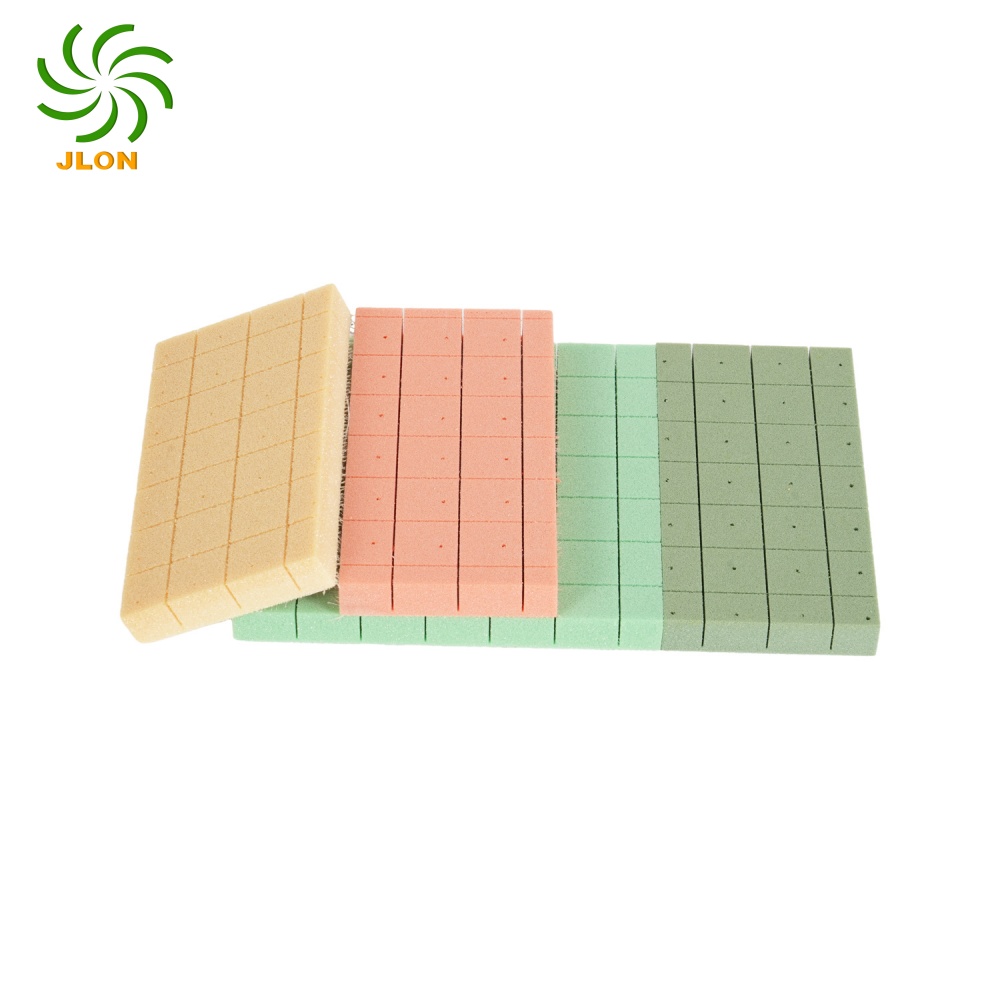
Can you provide grooves, perforations, scoring, scrim backing, or CNC kits
How much resin will the selected pattern consume
Are samples, batch certificates, and required approvals available
What are the MOQ, lead time, UAE delivery terms, and claim procedure
Can you maintain the specification for repeat orders
Clear answers make it easier to compare total production cost rather than only the initial foam price.
9. Frequently Asked Questions
9.1 What Is the Best PVC Foam Core Density for Boat Building
There is no single best density for every boat part. The correct choice depends on panel span, skin laminate, design load, impact risk, hardware, and safety factors. Many boats combine lower‑density foam in lightly loaded panels with medium‑ and high‑density inserts in structural or fastening areas.
9.2 Can PVC Foam Core Be Used Below the Waterline
Marine‑grade closed‑cell PVC foam is widely used in hull structures below the waterline. Success still depends on correct design, bonding, sealing, penetrations, workmanship, and quality control.
9.3 Is PVC Foam Core Waterproof
Closed‑cell PVC foam has low water absorption, but the whole sandwich is not automatically waterproof. Holes, damaged skins, joints, and exposed edges must be sealed correctly.
9.4 Is PVC Foam Better Than PET Foam for Boats
PVC foam is often selected for its balance of shear performance, toughness, water resistance, and processing versatility. PET foam can offer cost and sustainability advantages in appropriate applications.
The best material depends on the vessel, load, production process, and required approvals rather than the material name alone.
9.5 Can a Supplier Provide Pre‑Cut Boat Kits
Some manufacturers provide CNC‑cut, labeled, nested, or surface‑processed kits. Kits reduce cutting, waste, and labor but require controlled drawings and clear tolerances.
10. Final Recommendation for UAE Boatbuilders
The best PVC foam core supplier for boat building in the UAE is the one that matches the project’s technical requirements, purchase volume, schedule, and approval needs.
Local suppliers such as Carbon Studio and Zawraq Marine Technology suit urgent orders, standard sheets, prototype manufacturing and repair‑related purchases.
International manufacturers such as DIAB, 3A Composites, Gurit, and CoreLite deliver mature marine‑grade foam product lines.
JLON Composite and Jloncell deliver factory‑direct customized solutions, covering custom density, thickness, surface finishing, CNC cutting, glass‑fiber reinforcement and stable repeated supply for UAE‑based projects.
Before choosing any supplier, compare current technical data, samples, processing formats, logistics, and total installed cost. A controlled laminate trial is especially important when qualifying a new foam grade or changing an existing boatbuilding process.
For project‑specific recommendations, send Jloncell the required density, thickness, sheet size, surface treatment, resin system, manufacturing process, estimated quantity, and application area. The team can then propose a suitable marine PVC foam core configuration and quotation for delivery to the UAE.


