


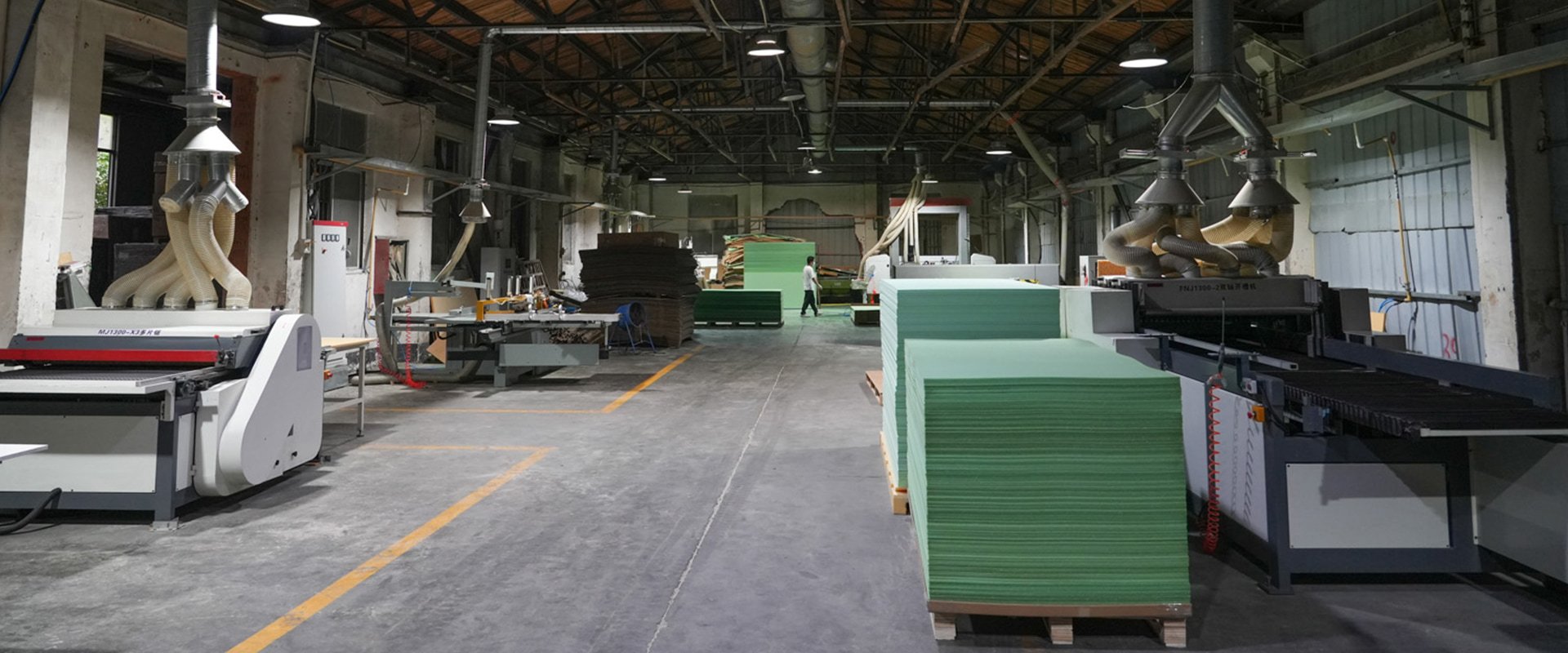

Modern boat building has changed dramatically over the past three decades. Traditional wooden structures have gradually been replaced by fiberglass composites, while solid laminate construction is increasingly giving way to lightweight sandwich composite structures.
Today, almost every high-performance yacht, catamaran, patrol boat, workboat, rescue vessel, racing sailboat, and luxury pleasure craft relies on composite sandwich construction to reduce weight while maintaining exceptional structural strength.
At the heart of every sandwich composite panel is one critical component—the core material.
Although the core is often invisible after manufacturing, it plays a decisive role in determining a boat's stiffness, durability, fatigue resistance, thermal insulation, acoustic performance, and overall weight.
Choosing the wrong core material may increase production costs, reduce structural performance, or shorten the service life of the vessel.
Choosing the right one can significantly improve efficiency, reduce maintenance costs, and enhance overall boat performance.
So how do professional boat builders choose the right core material?
This guide explains everything you need to know, including the advantages and limitations of different marine core materials, selection criteria, application recommendations, and practical engineering considerations.
Table of Contents
What Is a Sandwich Composite Structure?
A sandwich composite structure consists of three basic layers:
· Outer composite laminate
· Lightweight core material
· Inner composite laminate
Unlike traditional solid fiberglass construction, sandwich construction separates the two structural skins by inserting a lightweight core.
This simple design dramatically increases bending stiffness while adding very little weight.
The concept is similar to an I-beam used in structural engineering.
The outer skins carry tensile and compressive loads, while the core maintains the distance between the skins and transfers shear forces throughout the structure.
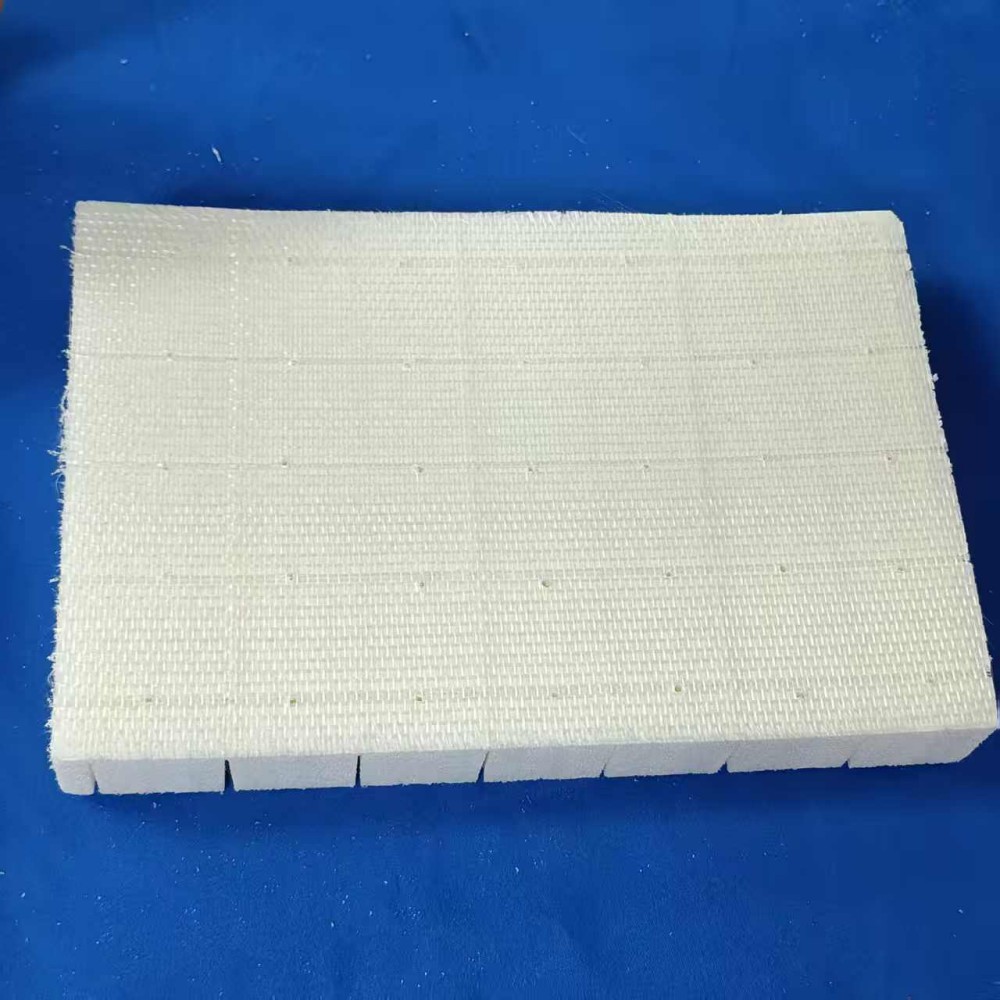
As a result, sandwich panels provide:
· Higher stiffness
· Lower weight
· Better fatigue resistance
· Improved thermal insulation
· Better sound insulation
· Higher impact resistance
· Reduced resin consumption
These advantages explain why sandwich composite structures have become the standard solution for modern marine construction.
Why Core Material Is Critical in Boat Design
Many people assume fiberglass determines the strength of a composite boat.
In reality, the core material often has a greater influence on the overall structural performance.
A properly selected core material contributes to almost every aspect of vessel performance.
1. Weight Reduction
Weight is one of the most important factors in boat design.
A lighter boat offers several advantages:
· Higher cruising speed
· Better fuel efficiency
· Increased payload capacity
· Improved acceleration
· Lower operating costs
For electric boats, reducing structural weight also helps extend battery range.
2. Higher Structural Stiffness
Increasing laminate thickness alone does not efficiently improve stiffness.
Instead, engineers increase the distance between the two composite skins by introducing a lightweight core.
This greatly improves panel rigidity without significantly increasing weight.
As a result, the hull, deck, bulkheads, and superstructure become much more resistant to bending and deformation.
3. Better Fatigue Performance
Unlike static structures, boats are subjected to continuous cyclic loading.
Every wave creates repeated stress on the hull.
After years of operation, these repeated loads can eventually cause structural fatigue.
High-quality structural foam distributes stress more evenly throughout the sandwich panel, reducing localized stress concentrations and improving long-term durability.
This is one reason why PVC foam has become the preferred marine core material worldwide.
4. Thermal and Acoustic Insulation
Besides structural benefits, core materials also improve onboard comfort.
Compared with solid laminate construction, sandwich panels provide:
· Better thermal insulation
· Reduced engine noise
· Improved vibration damping
· More comfortable cabins
These advantages are particularly important for luxury yachts, passenger ferries, and recreational boats.
5. Corrosion Resistance
Unlike traditional wooden cores, modern structural foam does not rot or corrode.
Closed-cell foam materials also absorb very little water, helping maintain long-term structural integrity in harsh marine environments.
This significantly reduces maintenance costs throughout the vessel's service life.
Key Factors to Consider When Selecting Marine Core Materials
Selecting the right core material is never about choosing the strongest or the lightest material alone.
Professional designers evaluate several factors simultaneously.
Mechanical Properties
The first consideration is structural performance.
Important properties include:
· Compressive strength
· Shear strength
· Tensile strength
· Fatigue resistance
· Impact resistance
Different boat components experience different loading conditions.
For example, a hull bottom requires much higher compressive strength than an interior partition.
Weight
Weight directly influences vessel performance.
For racing yachts or patrol boats, every kilogram matters.
However, extremely lightweight materials may not always provide the required mechanical strength.
The goal is to achieve the best strength-to-weight ratio rather than simply choosing the lightest material available.
Water Absorption
Marine environments expose composite structures to continuous moisture.
A suitable marine core should exhibit very low water absorption to maintain long-term performance.
Closed-cell structural foams are generally preferred because they effectively prevent water penetration.
Manufacturing Process
Different manufacturing processes require different core characteristics.
Common marine processes include:
· Hand Lay-Up
· Vacuum Infusion
· Resin Transfer Molding (RTM)
· Prepreg Processing
The selected core material should be compatible with the intended production process.
Cost
Budget also plays an important role.
For commercial boats, cost efficiency is often the primary concern.
For racing yachts or military vessels, designers may prioritize maximum performance over material cost.
Therefore, selecting the right material always involves balancing performance, manufacturing efficiency, and project budget.
The Five Most Common Core Materials Used in Boat Building
Modern marine construction primarily uses five categories of lightweight core materials:
Core Material | Typical Applications |
|---|---|
PVC Foam | Hulls, decks, bulkheads, yachts, workboats |
PET Foam | Decks, interiors, wind blades, lightweight structures |
PMI Foam | Racing boats, aerospace, UAVs |
PP Honeycomb | Floors, interior panels, furniture |
Aramid Honeycomb | Racing yachts, military boats, aerospace |
Each material offers different advantages, and none is suitable for every application.
In the following section, we'll compare these materials in detail and explain where each one performs best in modern boat construction.
Understanding Different Marine Core Materials
Although dozens of lightweight core materials are available today, the vast majority of composite boats are built using one of five structural core materials:
· PVC Foam Core
· PET Foam Core
· PMI Foam Core
· PP Honeycomb
· Aramid Honeycomb
Each material has unique mechanical properties and is designed for different performance requirements. Understanding their characteristics helps engineers achieve the best balance between strength, weight, durability, and cost.
PVC Foam Core – The Industry Standard for Boat Building
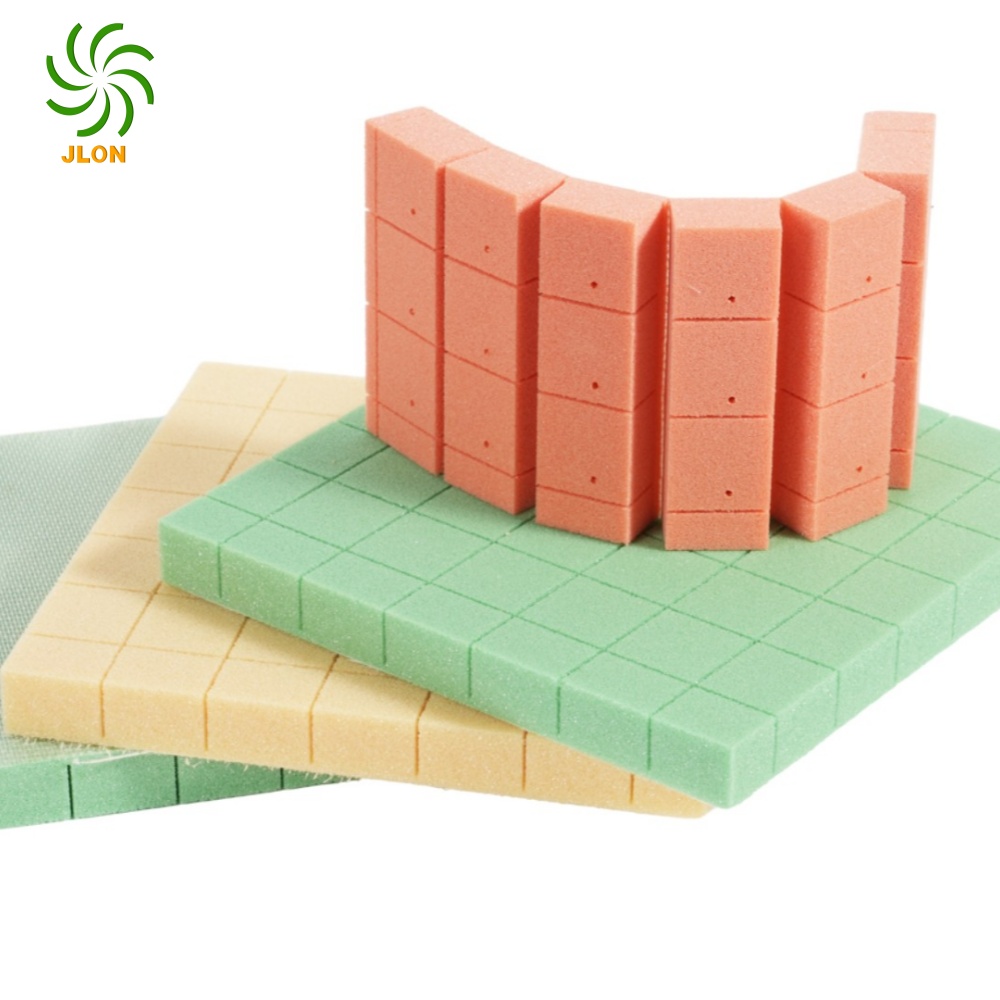
PVC foam has been the preferred structural foam in the marine industry for decades. From luxury yachts and patrol boats to commercial workboats and rescue vessels, PVC foam remains the most widely used core material because of its balanced mechanical performance, excellent durability, and mature processing technology.
Unlike conventional foams, structural PVC foam features a closed-cell structure that minimizes water absorption while maintaining high compressive and shear strength. These characteristics make it particularly suitable for long-term use in harsh marine environments.
Key Advantages
· Excellent strength-to-weight ratio
· Extremely low water absorption
· Outstanding fatigue resistance
· Good impact performance
· Easy CNC machining
· Compatible with vacuum infusion, RTM, prepreg and hand lay-up
· Long service life
Typical Marine Applications
PVC foam is commonly used in:
· Hull structures
· Deck panels
· Superstructures
· Bulkheads
· Cockpit floors
· Engine room partitions
· Cabin roofs
· Swim platforms
For most recreational and commercial boats, PVC foam offers the best overall balance between performance and cost.
When to Choose PVC Foam
PVC foam is recommended when:
· Long-term durability is critical
· Boats operate in harsh marine environments
· Excellent fatigue performance is required
· Vacuum infusion is the primary manufacturing process
· Cost-performance ratio is an important consideration
For these reasons, PVC foam continues to dominate the global marine sandwich construction market.
PET Foam Core – A Sustainable Alternative
PET foam has experienced rapid growth over the past decade, particularly in applications requiring recyclable materials and improved environmental performance.
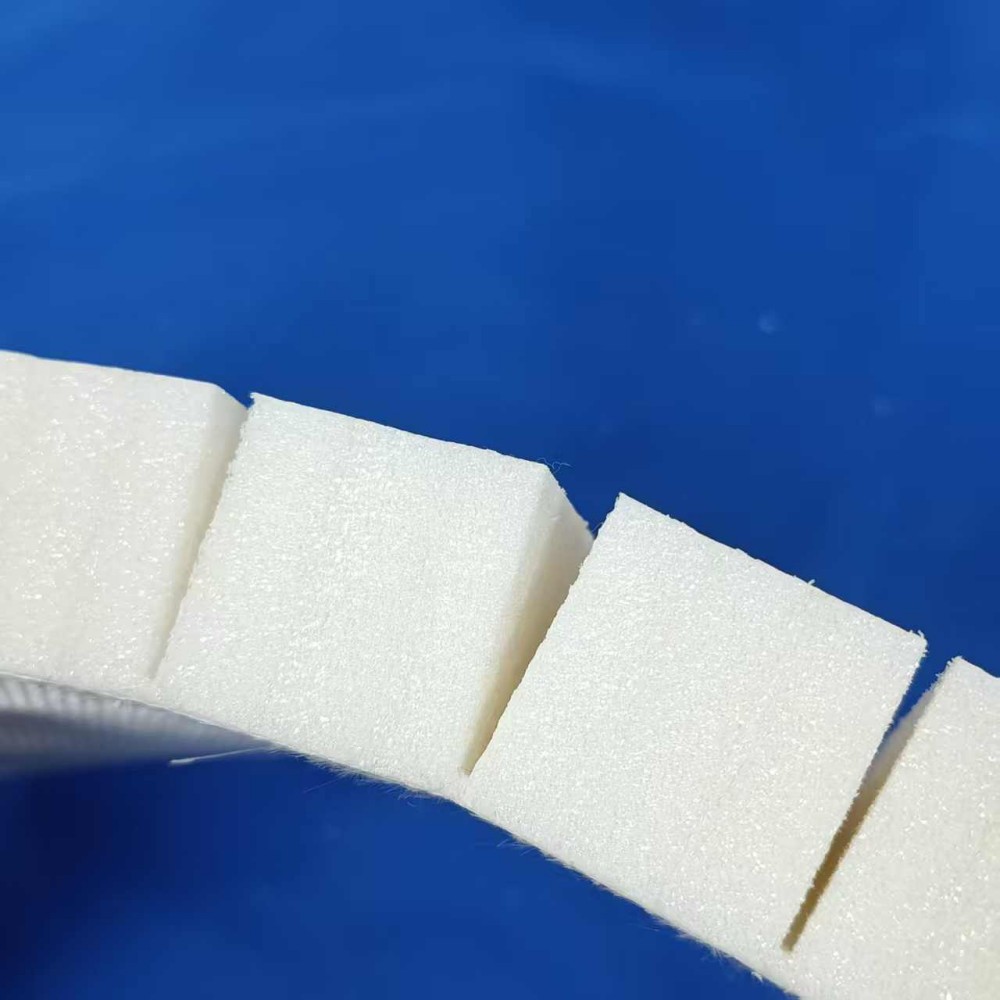
Manufactured from thermoplastic polyester, PET foam provides good structural performance while supporting sustainability goals. Many modern boat builders now combine PVC and PET within the same vessel to optimize cost, weight, and environmental performance.
Key Advantages
· Recyclable material
· Good impact resistance
· Excellent dimensional stability
· Easy processing
· Competitive pricing
· Suitable for large composite panels
Typical Marine Applications
PET foam is increasingly used in:
· Deck panels
· Interior bulkheads
· Cabin structures
· Secondary hull structures
· Interior furniture
· Industrial marine components
Advantages Compared with PVC
PET generally offers:
· Better sustainability
· Easier recycling
· Good processing efficiency
However, PVC still provides superior fatigue performance in many heavily loaded structural applications.
Rather than replacing PVC completely, PET is increasingly used alongside PVC depending on structural requirements.
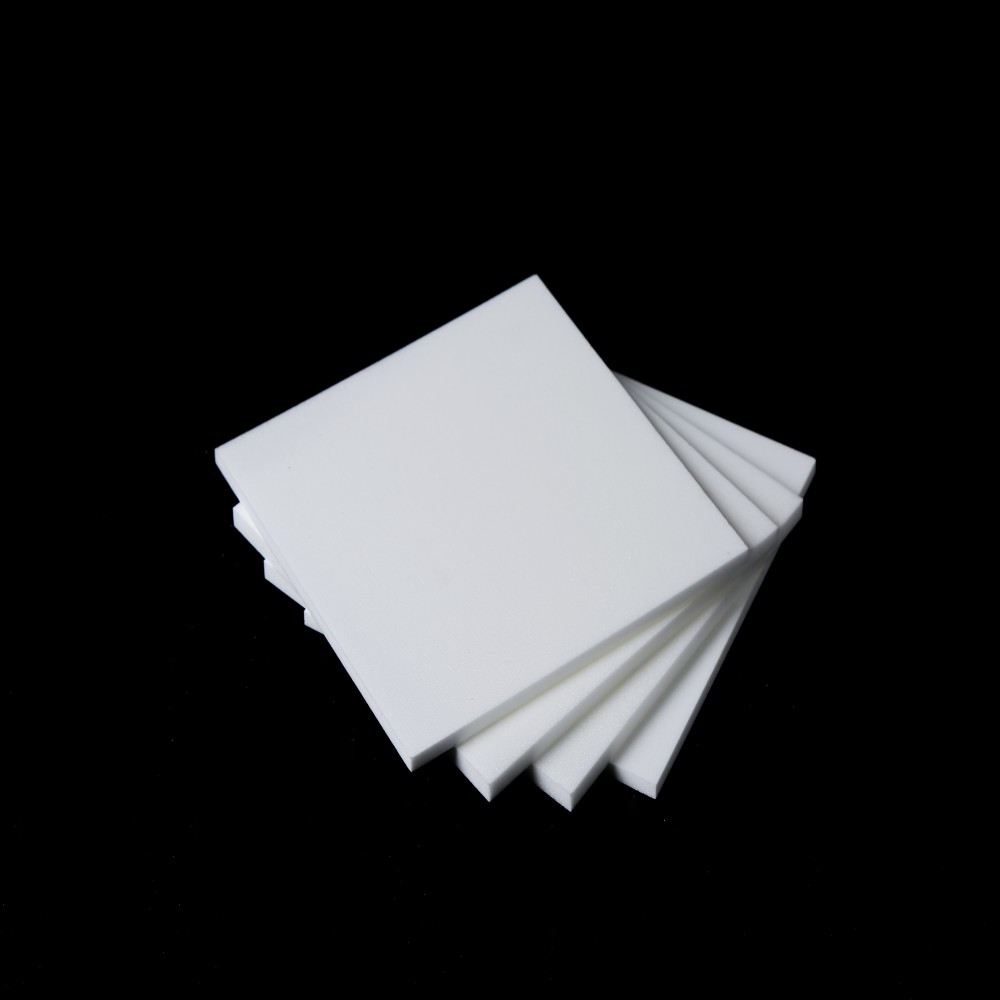
PMI Foam Core – High Performance for Lightweight Structures
PMI (Polymethacrylimide) foam belongs to the premium category of structural foam materials.
Compared with PVC and PET, PMI offers significantly higher stiffness and compressive strength at extremely low densities, making it the preferred material for aerospace and ultra-lightweight structures.
Because of its relatively high cost, PMI is generally reserved for applications where weight reduction is more important than material price.
Key Advantages
· Extremely low density
· Outstanding stiffness
· Excellent temperature resistance
· High compressive strength
· Superior dimensional stability
· Compatible with high-temperature prepreg curing
Typical Marine Applications
PMI is mainly used in:
· Racing yachts
· Foiling sailboats
· America's Cup boats
· Hydrofoils
· Carbon fiber racing components
· Lightweight structural reinforcements
Although PMI represents only a small percentage of the marine core market, it is indispensable for high-performance marine structures where every kilogram matters.
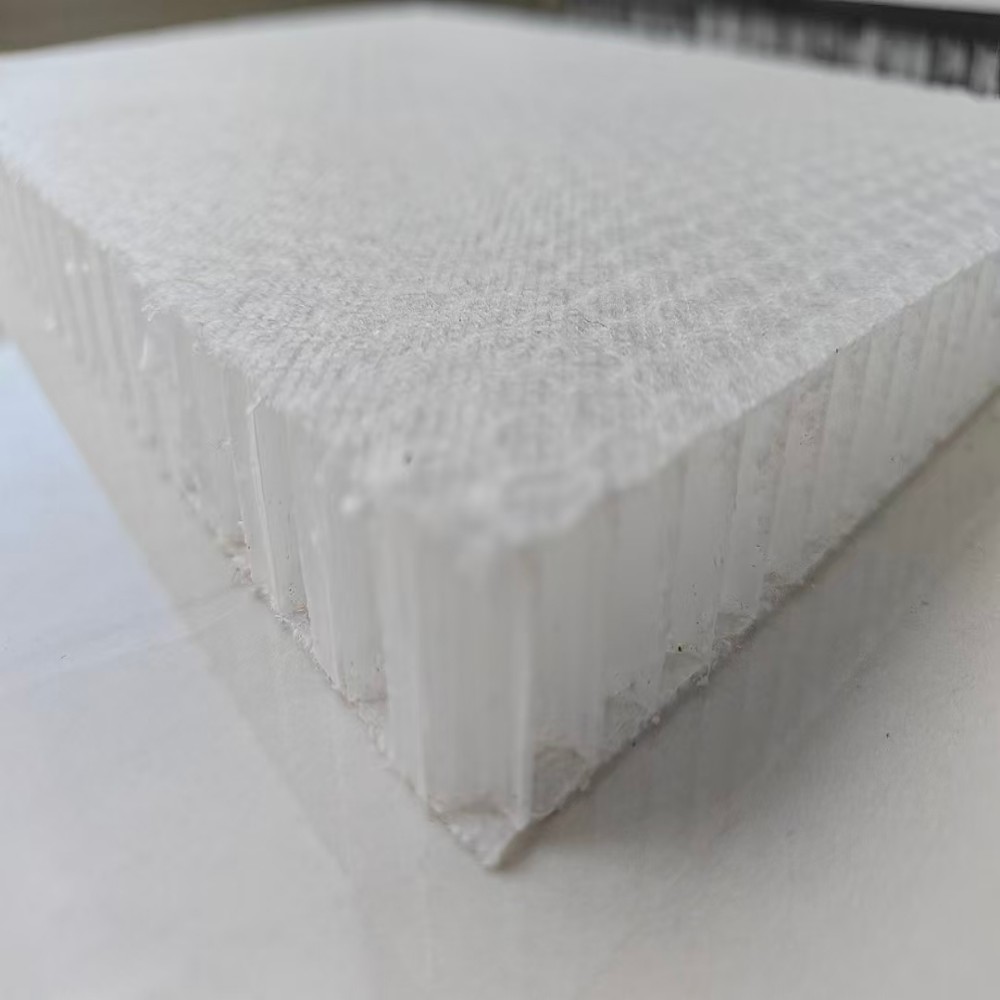
PP Honeycomb – Lightweight Solution for Interior Structures
PP honeycomb differs significantly from structural foam.
Instead of a foam core, it consists of a thermoplastic honeycomb structure that provides excellent stiffness with extremely low weight.
Its waterproof properties and cost efficiency make it ideal for non-primary structural components.
Key Advantages
· Very lightweight
· Waterproof
· Corrosion resistant
· Easy fabrication
· Excellent flatness
· Competitive cost
Typical Applications
PP honeycomb is commonly used for:
· Cabin floors
· Interior wall panels
· Ceiling panels
· Furniture
· Doors
· Storage compartments
Because honeycomb has lower compressive strength than structural foam, it is generally not recommended for heavily loaded hull structures.
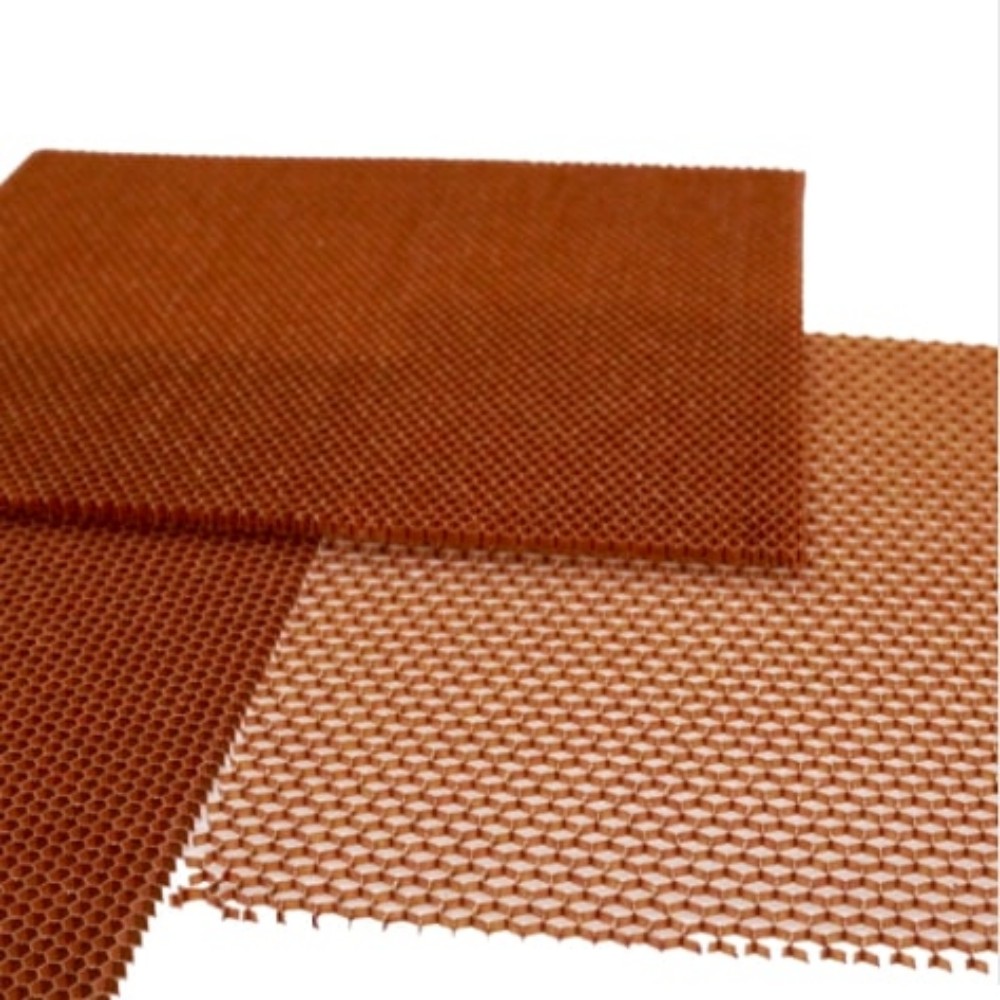
Aramid Honeycomb – Premium Core for Extreme Lightweight Design
Aramid honeycomb represents one of the highest-performance lightweight core materials available today.
Originally developed for aerospace applications, it provides exceptional stiffness while maintaining extremely low weight.
Its excellent fire resistance and fatigue performance also make it suitable for selected marine projects.
Key Advantages
· Extremely lightweight
· Very high stiffness
· Excellent fatigue resistance
· Outstanding fire resistance
· High temperature capability
· Excellent dimensional stability
Typical Applications
Marine applications include:
· Racing yachts
· Military vessels
· High-speed patrol boats
· Naval structures
· Carbon fiber superstructures
Because of its high material cost, aramid honeycomb is generally reserved for specialized marine applications rather than commercial production boats.
Which Core Material Performs Best?
Many engineers ask a simple question:
Which core material is the best?
In reality, there is no universal answer.
Each material has been developed to solve different engineering challenges.
· PVC Foam remains the best all-round solution for most marine structures due to its excellent balance of strength, durability, fatigue resistance, and cost.
· PET Foam is increasingly selected for projects emphasizing sustainability and recyclable materials.
· PMI Foam is the preferred choice for ultra-lightweight, high-performance marine structures where maximum stiffness and minimum weight are critical.
· PP Honeycomb offers an economical solution for interior panels and lightweight flooring.
· Aramid Honeycomb delivers outstanding performance for aerospace-grade and racing marine applications but is generally reserved for premium projects because of its higher cost.
Instead of relying on a single material, modern boat manufacturers often combine different core materials throughout the vessel. For example, PVC foam may be used in the hull and deck, PET foam in secondary structures, PP honeycomb in interior furniture, and PMI or aramid honeycomb in high-performance components.
This multi-material approach enables designers to optimize structural performance, weight, manufacturing efficiency, and overall project cost.
Comparing Marine Core Materials
Choosing the right core material is not simply about selecting the strongest or lightest option. Each material offers different advantages depending on the application, structural load, manufacturing process, and project budget.
The following comparison provides a quick overview of the most commonly used marine core materials.
Property | PVC Foam | PET Foam | PMI Foam | PP Honeycomb | Aramid Honeycomb |
|---|---|---|---|---|---|
Weight | ★★★★☆ | ★★★★☆ | ★★★★★ | ★★★★★ | ★★★★★ |
Stiffness | ★★★★☆ | ★★★★☆ | ★★★★★ | ★★★☆☆ | ★★★★★ |
Compressive Strength | ★★★★☆ | ★★★★☆ | ★★★★★ | ★★★☆☆ | ★★★★★ |
Fatigue Resistance | ★★★★★ | ★★★★☆ | ★★★★★ | ★★★☆☆ | ★★★★★ |
Water Absorption | Excellent | Excellent | Excellent | Excellent | Excellent |
Temperature Resistance | Good | Good | Excellent | Good | Excellent |
Cost | Moderate | Moderate | High | Low | Very High |
Marine Applications | Excellent | Good | Excellent | Interior Only | Premium Boats |
Which Core Material Is Best for Different Boat Types?
Different vessels require different structural characteristics. Selecting the appropriate core material according to the boat type can improve performance while optimizing manufacturing costs.
Luxury Yachts
Luxury yachts require an excellent balance between lightweight construction, structural strength, durability, and passenger comfort.
Recommended Core Materials
· PVC Foam Core
· PET Foam Core
· PP Honeycomb (Interior)
PVC foam remains the preferred solution for hulls and decks because of its outstanding fatigue resistance and long service life.
Catamarans
Catamarans have large deck areas and long hull structures, making stiffness particularly important.
Recommended materials include:
· PVC Foam Core
· PET Foam Core
For high-performance racing catamarans, PMI foam may also be used in selected structural components.
Patrol Boats
Patrol boats experience repeated impact loading caused by high-speed operation.
Recommended materials:
· PVC Foam Core
· High-density PVC inserts
PVC provides superior fatigue resistance and excellent long-term durability under cyclic loading.
Workboats
Commercial workboats prioritize reliability and cost efficiency.
Recommended materials:
· PVC Foam Core
· PET Foam Core
These materials provide sufficient structural strength while maintaining competitive production costs.
Racing Sailboats
Performance is the highest priority.
Weight reduction becomes more important than material cost.
Recommended materials:
· PMI Foam
· Aramid Honeycomb
· Carbon Fiber Laminates
These materials enable maximum stiffness with minimum structural weight.
Electric Boats
Battery systems significantly increase vessel weight.
Reducing hull weight becomes essential for maximizing cruising range.
Recommended materials:
· PVC Foam
· PET Foam
These lightweight core materials improve overall energy efficiency while maintaining structural performance.
Choosing the Right Foam Density
Selecting the correct foam density is just as important as choosing the foam type.
Many engineers incorrectly assume that higher density always means better performance.
In reality, excessive density increases weight and cost without necessarily improving overall structural efficiency.
The ideal density depends on the expected structural load.
Low Density (60 kg/m³)
Typical Applications
· Cabin roofs
· Interior structures
· Superstructures
· Lightweight deck covers
Advantages
· Lowest weight
· Easy machining
· Cost-effective
Not recommended for heavily loaded structures.
Medium Density (80 kg/m³)
Typical Applications
· Yacht hulls
· Deck panels
· Bulkheads
· Side shells
This is one of the most commonly used densities in recreational boat construction because it provides an excellent balance between weight and strength.
Medium-High Density (100 kg/m³)
Typical Applications
· High-load deck areas
· Structural bulkheads
· Engine room partitions
· Working platforms
Recommended where additional compressive strength is required.
High Density (130 kg/m³)
Typical Applications
· Winch mounting areas
· Engine foundations
· Mast support structures
· Hardware installation zones
Higher density improves local load-bearing capacity while minimizing compression failure.
Very High Density (200 kg/m³ and Above)
Typical Applications
· Through-bolted fittings
· Heavy equipment foundations
· Local reinforcement
· Inserts
These densities are normally used only in localized structural reinforcement rather than throughout the entire hull.
Typical Density Recommendations
Boat Structure | Recommended Density |
|---|---|
Hull | 80–100 kg/m³ |
Deck | 80–100 kg/m³ |
Cabin Roof | 60–80 kg/m³ |
Bulkheads | 80–100 kg/m³ |
Cockpit Floor | 100–130 kg/m³ |
Engine Foundation | 130–200 kg/m³ |
Hardware Inserts | 200 kg/m³+ |
These recommendations should always be verified according to the designer's laminate schedule, structural calculations, and classification society requirements.
Common Mistakes When Selecting Core Materials
Many first-time composite boat manufacturers make similar mistakes.
Choosing Based Only on Price
The lowest-cost material is not always the most economical solution over the boat's lifetime.
Poor fatigue performance or premature failure can result in significantly higher maintenance costs.
Using the Same Density Everywhere
Different parts of a boat experience different loads.
Using one density throughout the entire structure often leads to unnecessary weight or insufficient strength.
Ignoring Manufacturing Processes
Some core materials perform better with vacuum infusion, while others are optimized for prepreg or RTM.
Material selection should always match the manufacturing process.
Ignoring Long-Term Fatigue
Marine structures experience millions of load cycles during their service life.
Long-term fatigue performance is often more important than initial strength.
Manufacturing Process Compatibility
Selecting the right core material is only part of the design process. Equally important is ensuring that the chosen material is compatible with the manufacturing method.
Different boat builders use different composite manufacturing technologies depending on production volume, laminate design, and budget.
Hand Lay-Up
Hand lay-up remains one of the most widely used processes for custom yachts and small production boats.
Recommended core materials include:
· PVC Foam Core
· PET Foam Core
· PP Honeycomb (interior structures)
Advantages:
· Low tooling cost
· Flexible production
· Suitable for custom projects
Vacuum Infusion
Vacuum infusion has become the preferred manufacturing process for modern composite boats because it provides better fiber-to-resin ratios, lower emissions, and improved laminate consistency.
JLONCELL offers grooved and perforated foam cores specifically designed for vacuum infusion to improve resin flow and reduce production time.
Recommended materials:
· PVC Foam Core
· PET Foam Core
Resin Transfer Molding (RTM)
RTM is commonly used for medium- to high-volume production where repeatability and dimensional accuracy are important.
Recommended materials:
· PVC Foam Core
· PET Foam Core
Prepreg Processing
High-performance racing yachts and aerospace-inspired marine structures often use prepreg carbon fiber cured at elevated temperatures.
Recommended materials:
· PMI Foam Core
· Aramid Honeycomb
These materials maintain dimensional stability during high-temperature curing and provide exceptional stiffness-to-weight performance.
Why Choose JLONCELL for Marine Core Materials?
JLONCELL specializes in lightweight core materials for composite sandwich structures. Rather than supplying a single product, we offer a complete portfolio of core materials designed for different marine applications.
Our Product Range
Value-Added Processing Services
To improve manufacturing efficiency, JLONCELL also provides:
· CNC cutting
· Grooving
· Perforation
· Contour kitting
· Customized panel dimensions
· Technical material recommendations
These services help reduce labor costs, improve production efficiency, and shorten manufacturing cycles.
Global Supply Capability
JLONCELL serves customers worldwide with reliable quality, stable production capacity, and responsive technical support.
Whether you are building luxury yachts, commercial workboats, patrol vessels, or high-performance composite structures, our engineering team can recommend suitable core materials for your project.
Frequently Asked Questions (FAQ)
1. What is the best core material for boat building?
For most marine applications, PVC foam remains the preferred choice because it offers an excellent balance of strength, weight, fatigue resistance, and cost.
2. Is PVC foam better than PET foam?
Neither material is universally better.
PVC is generally preferred for heavily loaded marine structures because of its superior fatigue performance, while PET is increasingly selected where recyclability and sustainability are priorities.
3. Can PET foam replace PVC foam completely?
No.
Many modern boats use both materials in different structural areas to optimize performance and cost.
4. Which core material absorbs the least water?
Closed-cell structural foams such as PVC, PET, and PMI all offer very low water absorption when properly manufactured and laminated.
5. What density should I choose for a boat hull?
Most recreational boat hulls use densities between 80 and 100 kg/m³, although the final selection depends on structural calculations and laminate design.
6. Is higher density always better?
No.
Higher density increases compressive strength but also adds weight and cost. Selecting the appropriate density for each structural area is more important than simply choosing the highest density.
7. Can foam cores be used with vacuum infusion?
Yes.
PVC and PET foam cores are widely used in vacuum infusion processes. Grooved and perforated cores further improve resin flow and manufacturing efficiency.
8. Why are sandwich structures lighter than solid laminates?
Because the lightweight core separates the two composite skins, increasing bending stiffness without adding significant weight.
9. Is honeycomb better than foam?
Not necessarily.
Honeycomb cores provide exceptional stiffness at very low weight, but structural foams generally offer better damage tolerance and easier manufacturing for most marine applications.
10. Which core material is best for racing boats?
PMI foam and aramid honeycomb are commonly selected for racing yachts and other high-performance structures where minimum weight is critical.
11. Can different core materials be used in one boat?
Yes.
Many modern boats combine PVC foam, PET foam, PP honeycomb, or PMI foam in different structural areas to achieve the best balance between performance and cost.
12. Does JLONCELL provide customized processing?
Yes.
JLONCELL offers CNC cutting, grooving, perforation, contour kitting, and customized panel dimensions according to customer drawings.
Conclusion
Selecting the right core material is one of the most important decisions in modern composite boat construction.
Each material offers distinct advantages:
· PVC Foam Core remains the industry standard for hulls, decks, and structural components due to its excellent balance of strength, durability, and long-term fatigue performance.
· PET Foam Core is gaining popularity as a recyclable alternative, particularly in applications where sustainability and cost efficiency are key considerations.
· PMI Foam Core is the preferred solution for ultra-lightweight, high-performance structures such as racing yachts and aerospace-inspired marine components.
· PP Honeycomb provides a lightweight and economical option for interior panels, cabin floors, and non-primary structures.
· Aramid Honeycomb delivers exceptional stiffness and minimum weight for premium marine and military applications.
Rather than relying on a single material, successful boat builders select different core materials according to the structural function of each component. This approach optimizes performance, manufacturing efficiency, and overall project cost.
At JLONCELL, we are committed to helping boat builders, composite manufacturers, and distributors choose the right core material for every application. With a comprehensive product portfolio, customized processing services, and global supply capability, we support customers in building lighter, stronger, and more efficient composite structures.