


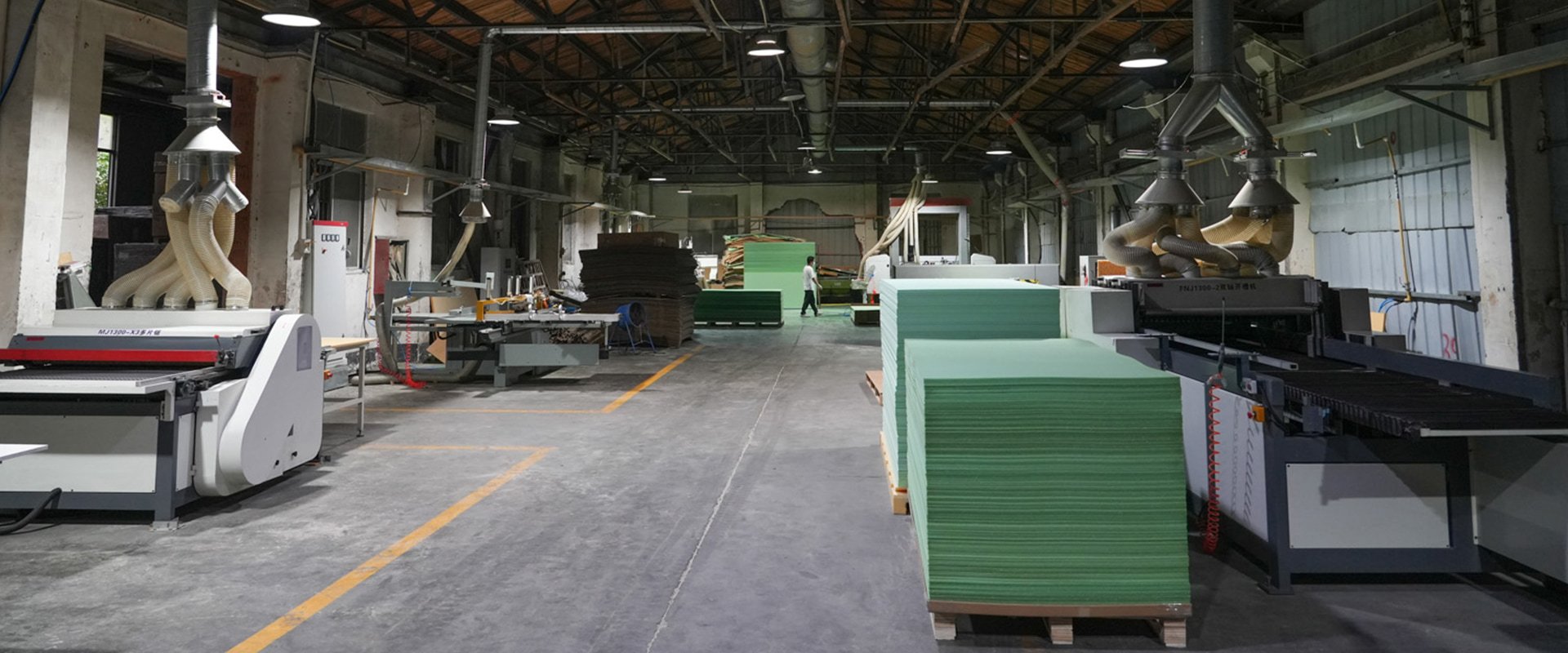

PVC foam core is a lightweight, closed-cell structural material widely used in composite manufacturing. It plays a critical role in sandwich structures, delivering high stiffness, strength, and durability without significantly increasing weight.
For industries such as marine, wind energy, transportation, and construction, PVC foam core has become one of the most reliable structural foam core materials due to its excellent mechanical performance, process compatibility, and cost efficiency in large-scale production.
For B2B buyers, engineers, and composite manufacturers, selecting the right PVC foam core supplier is essential to ensure consistent product quality, stable supply, and optimized structural performance.
This guide explains what PVC foam core is, how it compares to solid PVC, and why it is essential in modern composite design.
Table of Contents
What Is PVC Foam Core?
PVC foam core is a rigid, closed-cell foam made from polyvinyl chloride (PVC) resin. It is engineered to serve as the core material in composite sandwich panels, typically bonded between fiberglass, carbon fiber, or other reinforcement skins.
It is widely used as a PVC core material for industrial composites, offering an ideal balance between weight reduction and structural strength.
Key Characteristics
Lightweight structure with high strength-to-weight ratio
Closed-cell composition for water and chemical resistance
Excellent compressive strength and shear strength
Thermal and acoustic insulation properties
Good fatigue resistance for long-term structural use
Dimensional stability under varying temperatures
Supply Forms (B2B Focus)
PVC foam core is commonly supplied as:
Standard sheets (custom thickness & size available)
CNC-cut kits for complex structures
Grooved or perforated sheets for infusion processes
Contour scrim core for curved surfaces
Compatible Manufacturing Processes
Vacuum infusion (VARTM)
Resin Transfer Molding (RTM / LRTM)
Hand lay-up
Prepreg processing
This makes PVC foam core highly suitable for mass production and OEM composite manufacturing.

PVC Foam Core in Sandwich Structures
In composite engineering, PVC foam core is used to create foam core laminate structures, where it acts as the middle layer between two high-strength skins.
How It Works
Outer skins (fiberglass cloth, carbon fiber) carry tensile and compressive loads
The PVC foam core increases thickness and stiffness
The structure achieves high rigidity with minimal weight
This design significantly improves bending stiffness and load distribution, making it ideal for structural applications.
Typical B2B Applications
Marine structural foam core panels
Wind blade sandwich structures
Transportation composite panels
Industrial lightweight panels
Foam Core vs Solid Core PVC
Understanding the difference between foam core vs solid core PVC is critical for engineers and procurement teams.
Property | PVC Foam Core | Solid PVC |
Density | Low | High |
Weight | Lightweight | Heavy |
Strength-to-weight ratio | Excellent | Moderate |
Application | Structural sandwich core | Pipes, profiles, rigid parts |
Insulation | Good | Limited |
Material efficiency | High | Lower |
Key Takeaway
PVC foam core is optimized for lightweight structural applications
Solid PVC is suitable for dense, non-structural components
For large composite parts, using foam core can significantly reduce material costs, transportation costs, and installation time.

Foam Core Laminate: Why It Matters
A foam core laminate refers to a composite panel made by bonding high-strength skins to a lightweight foam core.
Engineering Advantages
Increased bending stiffness without increasing weight
Reduced resin consumption during processing
Improved impact resistance and durability
Better fatigue performance in cyclic loading
Lower total lifecycle cost
Industrial Applications
Wind turbine blades
Truck bodies and refrigerated panels
Railway interior structures
Construction and infrastructure panels
Foam core laminate structures are now a standard solution in lightweight engineering design and composite manufacturing.
Marine Structural Foam Core Applications
PVC foam core is especially valued in marine structural foam core applications due to its durability in harsh environments.
Typical Marine Uses
Hulls and decks
Stringers and bulkheads
Cabin and interior structures
Floating docks and platforms
Why Marine Manufacturers Prefer PVC Foam Core
Closed-cell structure prevents water absorption
Excellent resistance to corrosion and chemicals
High bonding strength with fiberglass systems
Long service life with low maintenance
For boat builders and shipyards, choosing a reliable marine foam core supplier is critical to ensure safety and long-term performance.
PVC Core Material Grades and Selection
PVC foam core is available in different densities and grades, allowing engineers to optimize performance and cost.
Common Density Ranges
Low density (60–100 kg/m³): lightweight panels, insulation
Medium density (100–200 kg/m³): general structural applications
High density (200–300 kg/m³): high-load and reinforcement areas
Key Selection Factors for B2B Buyers
Required mechanical properties (compressive / shear strength)
Processing method (infusion, RTM, prepreg)
Application environment (marine, wind, transport)
Surface finish and bonding requirements
Supply consistency and lead time
Why Choose JLON PVC Foam Core?
As a professional PVC foam core manufacturer and supplier, JLON provides high-performance core materials for global composite industries.
JLON Advantages
Wide range of densities, thicknesses, and specifications
Custom cutting, grooving, and kitting services
Stable quality for large-scale industrial production
Strong technical support for composite applications
Reliable global supply chain and bulk order capability
B2B Value
Support for OEM and project-based supply
Consistent batch quality for long-term cooperation
Competitive pricing for volume orders
Fast response for technical inquiries
JLON not only supplies PVC foam core, but also offers fiberglass, carbon fiber, and resin systems, helping customers build complete composite sandwich structure solutions.

Conclusion
PVC foam core is a critical material in modern composite engineering, enabling lightweight, strong, and cost-efficient structures across multiple industries.
From foam core laminate panels to marine structural foam core systems, it delivers superior performance compared to solid materials.
For engineers, procurement managers, and manufacturers, choosing the right PVC core material and supplier is key to achieving both performance and cost targets.
Working with an experienced supplier like JLON ensures reliable quality, scalable supply, and long-term business value.
Written by Irene Xi
International Sales Manager, JLON Composite
Technical Review: JLONCELL Core Materials Product Team
Last Updated: July 31, 2026