


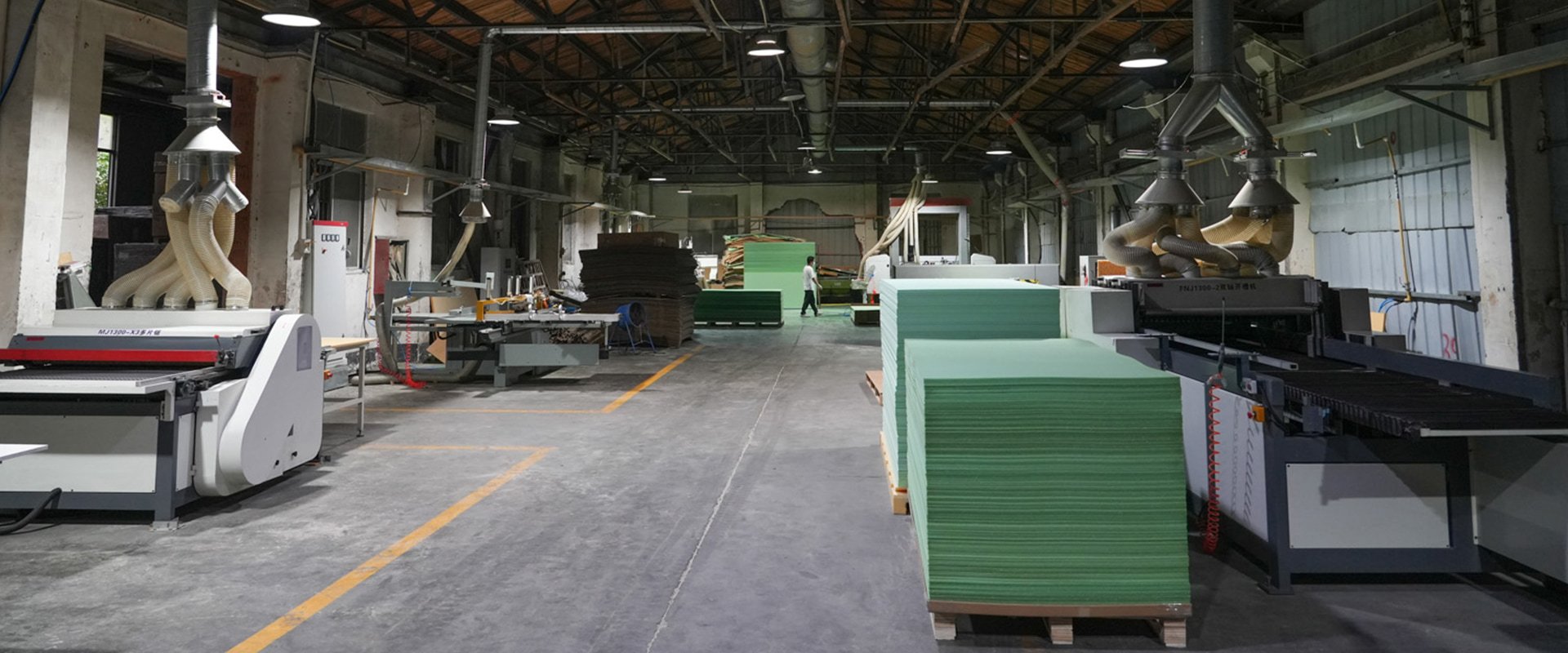

Choosing the right PVC foam core is critical for ensuring the performance, durability, and manufacturing efficiency of composite sandwich structures.
In industries such as marine boat building, wind turbine blades, and vacuum infusion composite manufacturing, improper core selection can lead to PVC foam core delamination, foam core collapse under vacuum, high resin consumption in infusion, and structural failure of sandwich panels.
This guide helps engineers and buyers understand how to choose PVC foam core, reduce production risks, and optimize cost-performance while achieving long-term durability.
Table of Contents
What is PVC Foam Core in Composite Sandwich Structures
PVC foam core is a closed-cell structural foam widely used in sandwich panels, acting as the lightweight yet strong core between composite skins.
Key benefits include:
· High strength-to-weight ratio, reducing overall panel weight while maintaining stiffness.
· Excellent fatigue resistance, ideal for marine hulls and wind turbine blades that undergo cyclic loading.
· Low water absorption, ensuring long-term dimensional stability in humid or marine environments.
· Processing versatility, suitable for vacuum infusion, RTM, and hand lay-up.
Key Factors When Choosing PVC Foam Core
PVC Foam Core Density Selection
Density is the most important factor when selecting structural foam core. It determines stiffness, compressive strength, and resistance to vacuum collapse.
Density | Typical Applications |
60–80 kg/m³ | Wind blade shells, lightweight panels |
80–130 kg/m³ | Marine hulls, decks, bulkheads |
130–250 kg/m³ | High load structures, inserts, industrial panels |
High-density foam cores provide excellent compressive performance but increase material cost and resin consumption. Low-density cores reduce weight but may require careful resin flow planning to avoid collapse.
Mechanical Properties of PVC Foam Core
When evaluating PVC foam core material, focus on compressive strength, shear strength, and shear modulus.
· Compressive strength is critical for sandwich panel load-bearing capacity.
· Shear strength ensures panel skins stay bonded under bending or torsion.
· Shear modulus affects panel stiffness and vibration performance.
Application guidance:
· Wind turbine blades require high fatigue resistance and low creep under repeated cyclic loads.
· Marine panels require foam cores with high shear strength to withstand wave impact.
Processing Compatibility
PVC foam core must be compatible with the chosen manufacturing process.
Vacuum Infusion:
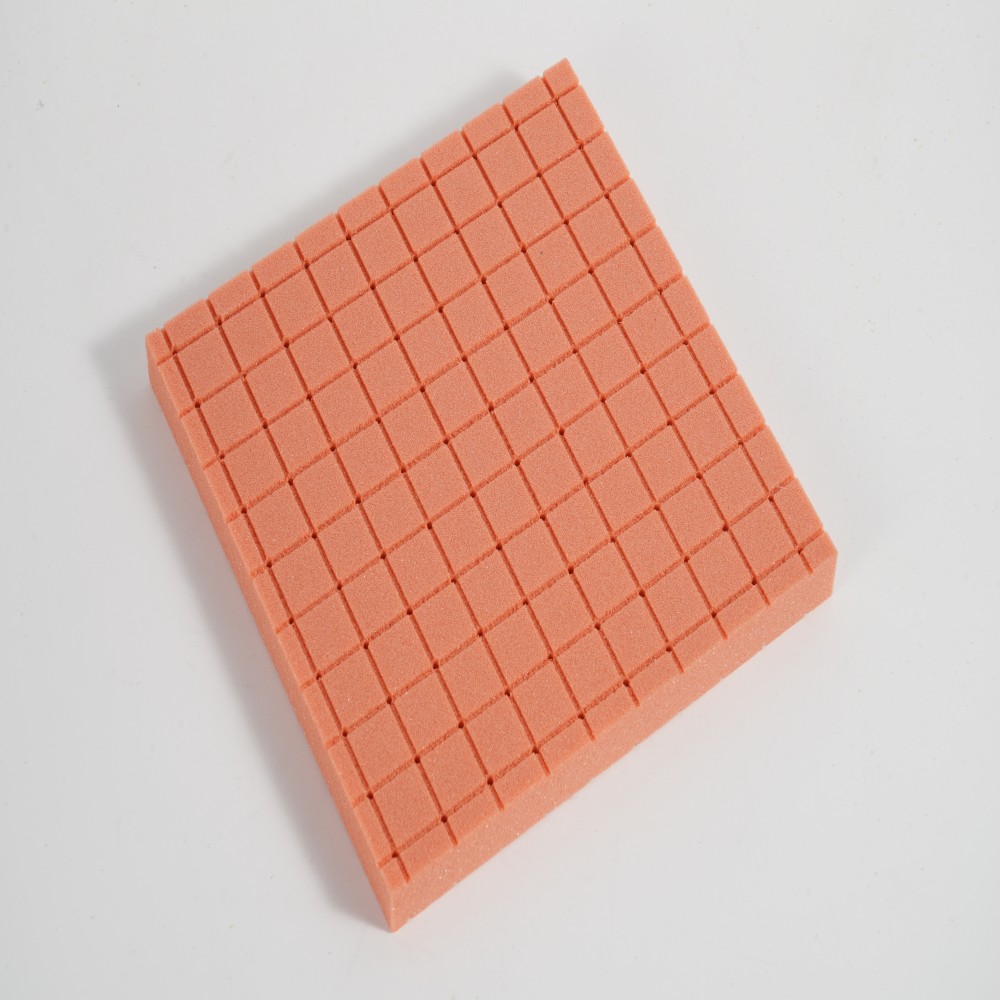
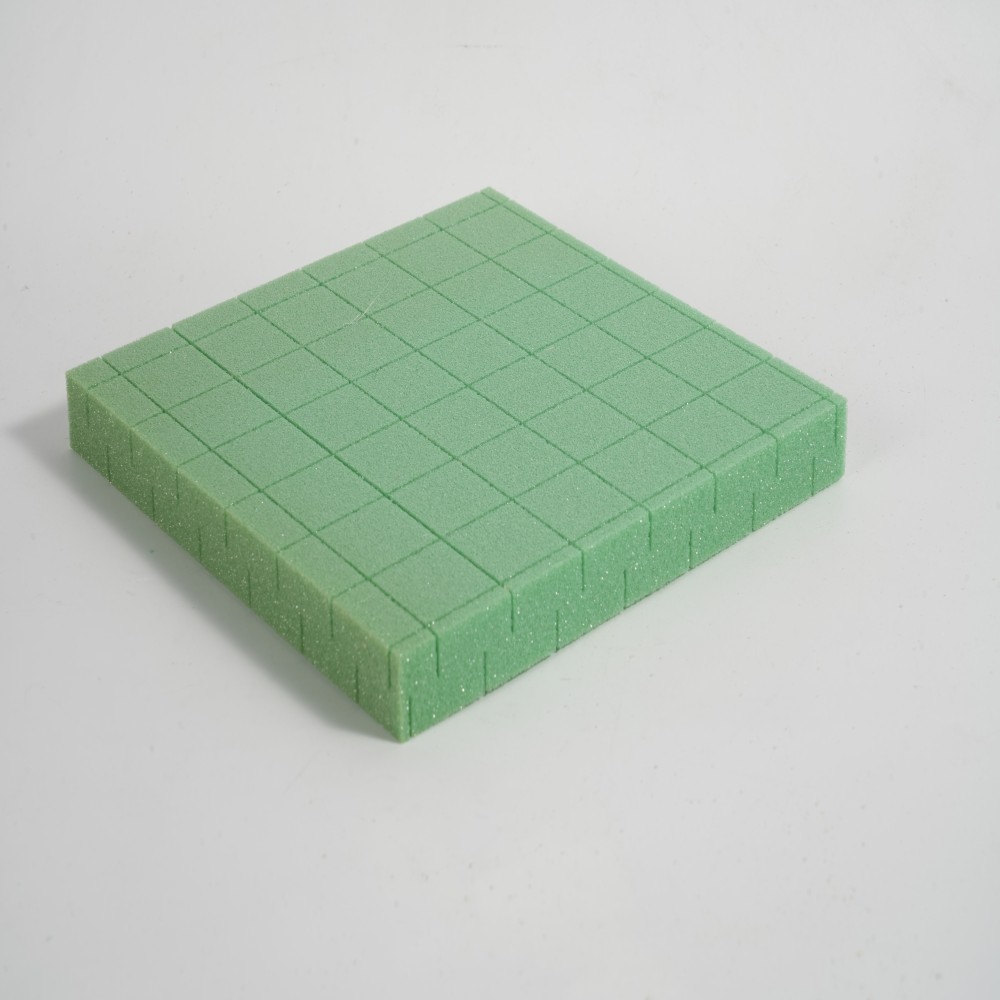
Common defects include foam collapse and dry spots. Use grooved PVC foam core to facilitate resin flow, choose perforated foam core to improve bonding and resin penetration, and ensure stable, uniform cell structure for consistent infusion performance.
Marine Applications:
PVC foam cores for marine applications provide strong bonding performance to prevent delamination, easy shaping to support hull and deck curvature, and long-term durability to resist water absorption and dimensional changes.
RTM / Closed Molding:
PVC foam cores for RTM and closed molding ensure dimensional stability for precise mold filling and controlled resin absorption to reduce resin waste and improve panel quality.
Common Problems in PVC Foam Core Applications
Delamination:
Caused by poor surface treatment, incorrect resin system, or low-quality foam core suppliers. Solutions include using scored and perforated PVC foam core for better adhesion, optimizing resin infusion parameters, and working with reliable suppliers.
Foam Core Collapse in Vacuum Infusion:
Caused by low-density foam or excessive vacuum pressure. Preventive measures include selecting appropriate density for panel size, avoiding excessive vacuum, and using reinforced or grooved cores for large panels.
High Resin Consumption:
Caused by poor foam structure or incorrect groove/perforation design. Solutions include optimizing foam groove layout, choosing uniform closed-cell foam, and using controlled resin infusion techniques.
PVC Foam Core Product Types
Different forms of PVC foam core sheets serve different applications:
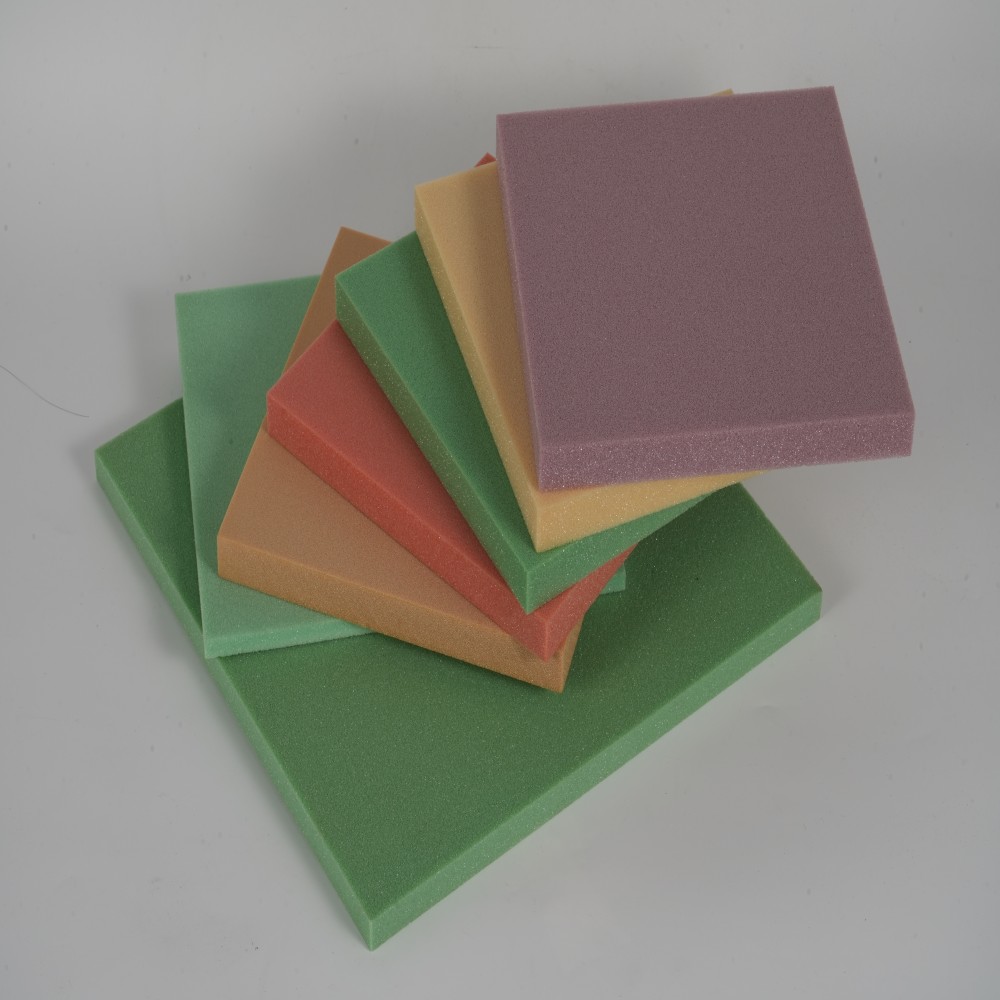
· PVC foam core sheets – standard panels for marine or industrial use.
· Grooved PVC foam core – facilitates resin flow in vacuum infusion.
· Perforated PVC foam core – improves adhesion and reduces dry spots.
· Scored / contour foam core – allows shaping for curved surfaces.
Applications of PVC Foam Core
Marine Composite Structures: Boat hulls, decks, bulkheads.
Wind Energy (Wind Turbine Blades): Blade shells, shear webs.
Industrial Sandwich Panels: Transportation panels for trucks and trains, construction panels for lightweight walls or ceilings.
Why Choose JLON Composite as Your PVC Foam Core Supplier
JLON Composite provides a full density range (60–250 kg/m³), customized formats including sheets, grooved, and perforated cores, stable quality for vacuum infusion and RTM, and technical support for marine and wind energy projects.
We support customers with material selection, process optimization, and cost control.
JLON Composite offers datasheets, pricing, application recommendations, and free sample testing for vacuum infusion and marine applications before bulk purchase.
FAQ
What is the best PVC foam core density for boat building?
Typically 80–130 kg/m³ depending on load and design.
Is PVC foam core suitable for vacuum infusion?
Yes, especially grooved and perforated foam core designed for resin flow.
What is the difference between PVC foam core and PET foam?
PVC offers higher strength and better fatigue resistance, while PET provides better recyclability and environmental benefits.
Conclusion
Selecting the right PVC foam core requires balancing density, mechanical performance, and processing compatibility. Working with an experienced supplier like JLON Composite ensures reliable quality, optimized composite performance, and reduced production risks.
Written by Irene Xi
International Sales Manager, JLON Composite
Technical Review: JLONCELL Core Materials Product Team
Last Updated: July 31, 2026