


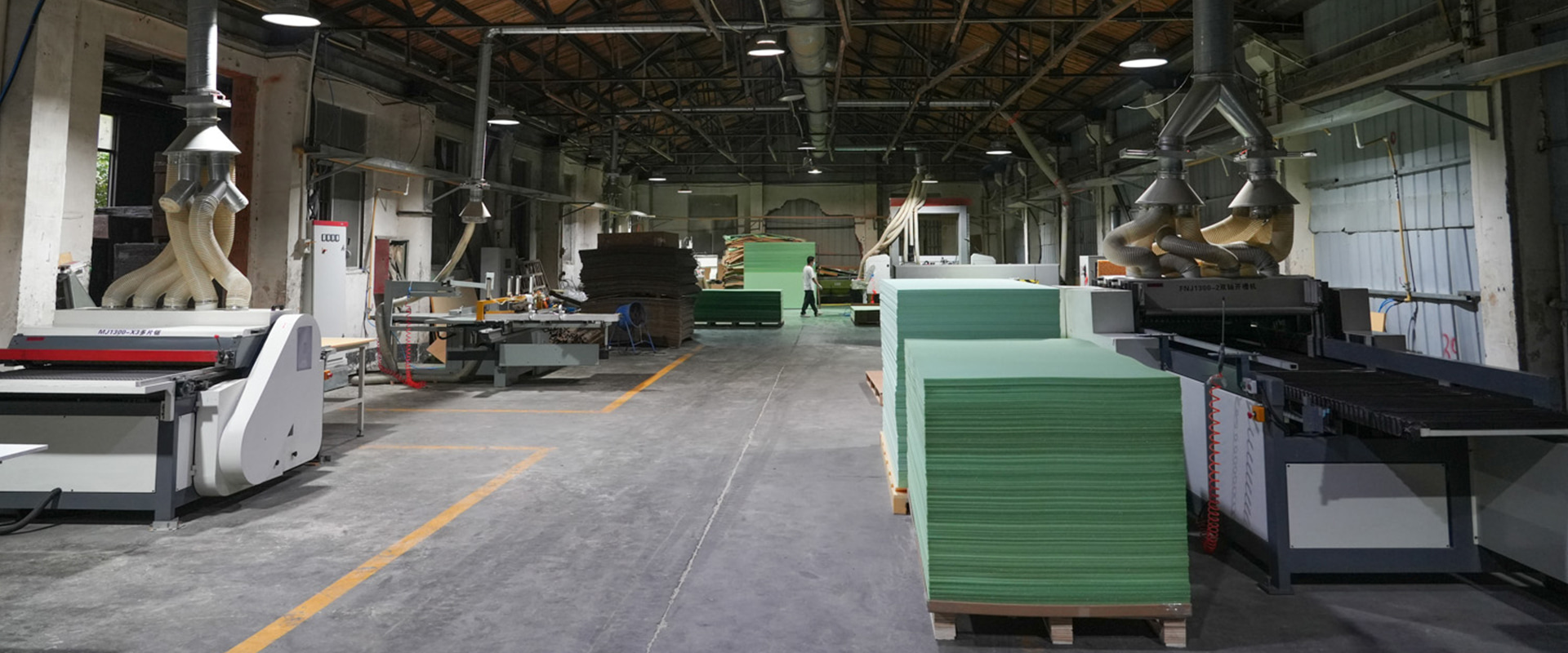

PET foam core is used in wind turbine blade sandwich structures where low weight, structural performance and manufacturing consistency must work together. In shear webs, selecting the right material involves more than choosing a nominal density. Shear properties, core thickness, material orientation, resin uptake and processing stability all influence the finished component.
A suitable PET foam core for wind turbine shear webs must meet the blade manufacturer’s structural specification and remain compatible with the approved production process. Cutting accuracy, surface preparation and core kit fit are also important because manufacturing variations can affect sandwich quality.
JLON supplies PET foam core in standard sheets and customized formats for composite manufacturing. This guide explains the material and processing requirements buyers should review when specifying PET structural foam for wind turbine shear webs.
What Does PET Foam Core Do in a Wind Turbine Shear Web?
Shear webs are internal structural components that connect the load-carrying regions of a wind turbine blade. They help transfer shear loads and support the blade’s structural arrangement.
Where a shear web uses sandwich construction, a lightweight core sits between composite laminate skins. The core separates and supports the skins, helping the panel achieve the required stiffness and resistance to local instability without the weight of a solid laminate.
The Core Works as Part of the Complete Sandwich
PET foam does not carry every load independently. Its performance must be assessed together with the laminate skins, skin-to-core interfaces, joints and surrounding structure.
A material that performs well in an individual foam test may still require further evaluation in a representative sandwich panel. Laminate quality, bonding and manufacturing defects can influence the final result.
Shear Web Core and Web Bonding Are Different
The PET core inside a sandwich web should not be confused with the adhesive joints connecting the web to other blade components. Core selection and structural adhesive selection are separate tasks, although both contribute to the performance of the assembled blade.
Material Requirements for PET Foam Shear Web Cores
Shear Strength and Shear Modulus
Shear strength and shear modulus are central properties when assessing a structural foam core for shear web applications.
Shear strength describes resistance to shear failure under specified test conditions. Shear modulus describes the material’s stiffness in shear. Both are relevant: meeting a strength requirement does not automatically mean the core provides sufficient stiffness.
Buyers should request data for the exact PET foam grade being considered, including the test method, specimen orientation and conditioning.
Compare Values on the Same Basis
Datasheet values may represent typical averages, minimum values or other statistical measures. These categories should be clearly identified.
An average laboratory result should not automatically be used as a structural design allowable. Design values and acceptance criteria must follow the blade manufacturer’s engineering and qualification procedures.
Density and Core Thickness
Density affects foam weight and mechanical performance, but it is not a complete material specification. Different PET foam grades with similar densities can have different cell structures and processing characteristics.
Core thickness is equally important because it influences sandwich geometry and panel behavior.
The appropriate combination depends on local structural loads, laminate construction, required panel stiffness, buckling resistance, manufacturing conditions and finished component weight. These factors should be assessed together when specifying PET foam core sheets.
There is no universal PET foam density or thickness suitable for every wind turbine shear web. Selection should follow the approved blade design rather than turbine power rating alone.
Material Direction and Property Consistency
Extruded PET structural foam can exhibit direction-dependent properties. The relationship between production direction, sheet cutting and component orientation therefore needs to be understood.
If mechanical properties differ by direction, the material specification should identify how sheets and finished kit parts must be oriented.
Keep Orientation Visible During Production
Where orientation matters, identification should remain clear through cutting, packing and layup. Part drawings, labels and inspection records should use consistent references so operators can place the core correctly.
Compression and Fatigue Performance
Compression properties should be reviewed alongside shear data. The core must tolerate the pressure and temperature conditions associated with the chosen manufacturing process, as well as applicable service loads.
Wind turbine blades also experience repeated loading. Static strength alone cannot establish long-term suitability.
Fatigue evaluation should address the selected foam grade and representative sandwich construction. A general statement that PET foam has good fatigue resistance does not replace application-specific evidence.
Processing Temperature and Dimensional Stability
Review the Complete Cure Cycle
A maximum temperature figure does not fully describe whether PET foam is suitable for a particular process.
The assessment should consider mould temperature, resin reaction heat, cure duration, applied pressure and any post-cure stage. These conditions act together and may affect dimensional stability.
A processing cycle that works for one foam grade or panel arrangement should not automatically be transferred to another.
Distinguish Surface Treatment from Service Temperature
A temperature used during a controlled surface treatment is not necessarily the allowable processing or continuous service temperature of the finished foam.
For example, a brief heat-sealing operation should not be interpreted as evidence that the core can withstand the same temperature throughout an extended cure cycle.
Check Dimensions After Processing
Initial sheet measurements are only part of the assessment. Manufacturers should also check whether the core maintains the required thickness, shape and fit after representative processing.
Qualification trials can help identify distortion, thickness changes or other variations before full-size production. Acceptance limits should be agreed in advance rather than decided after a trial has been completed.
Vacuum Infusion Requirements for PET Foam Core
Match Finishing Patterns to the Infusion Plan
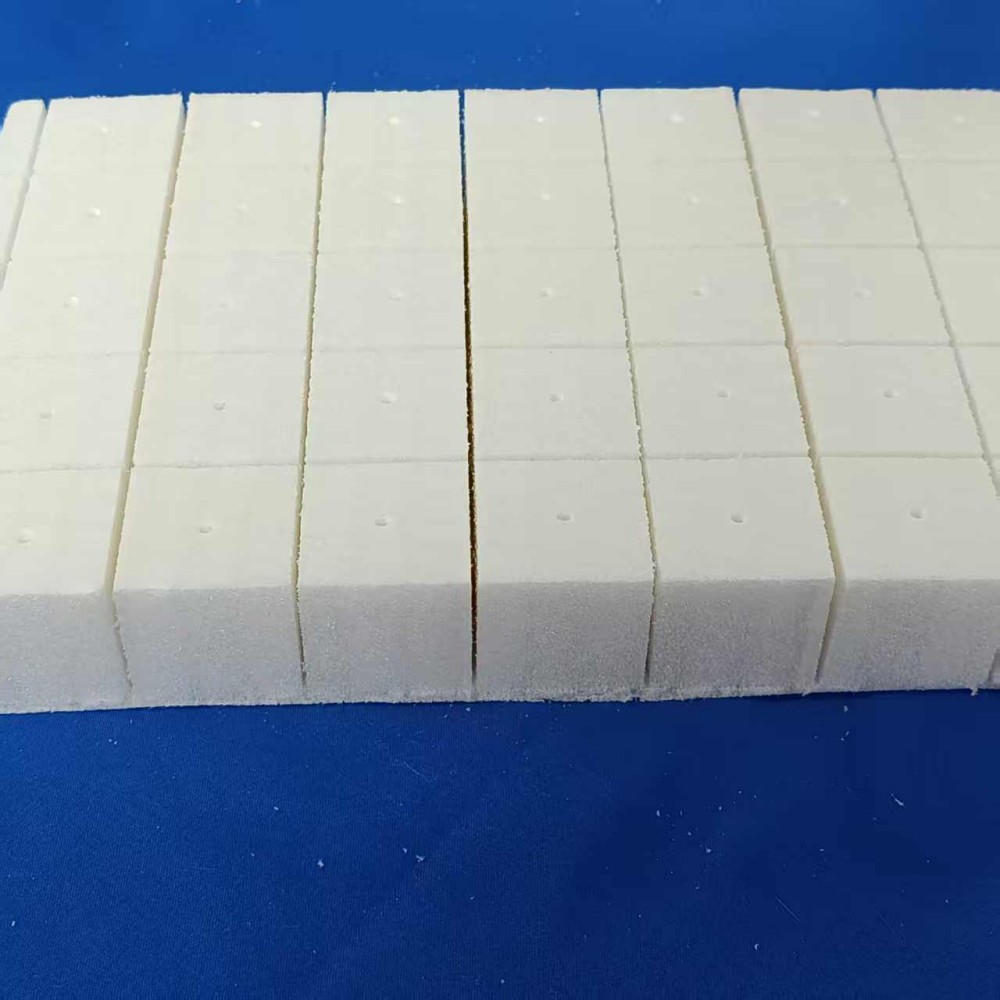
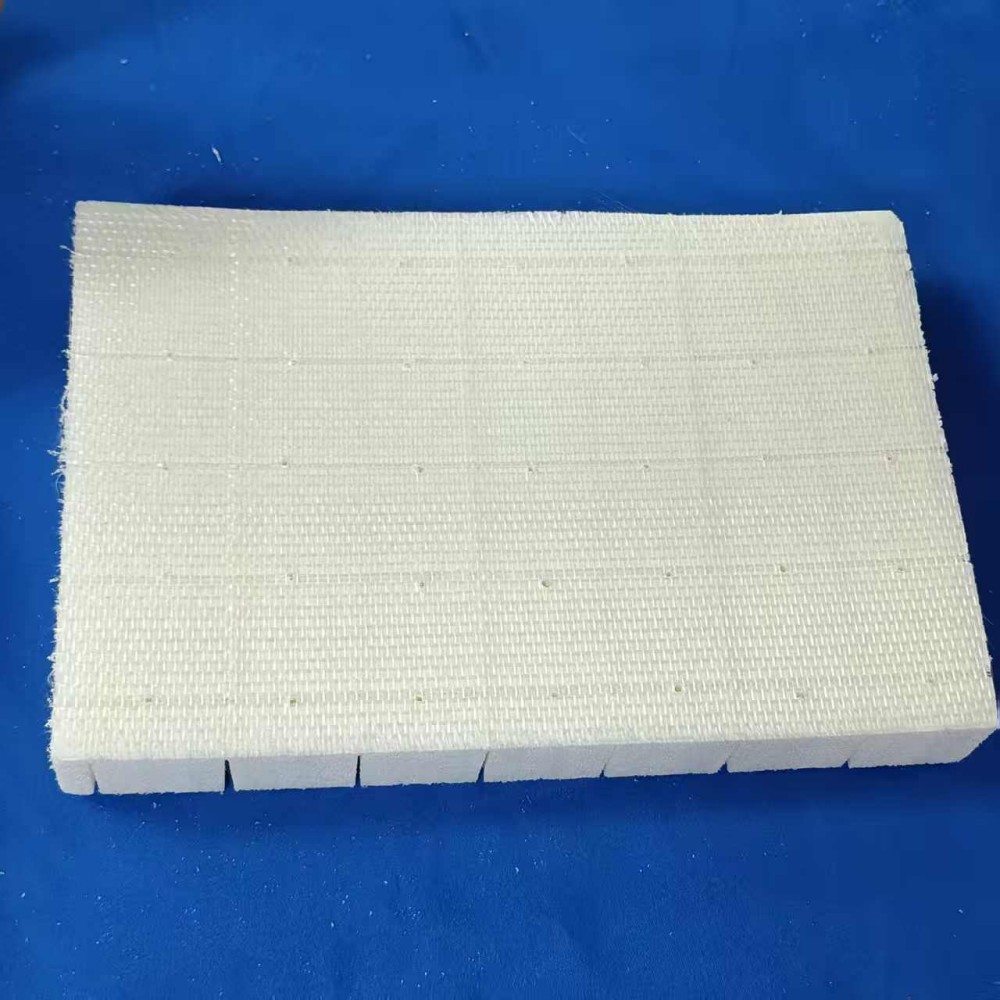
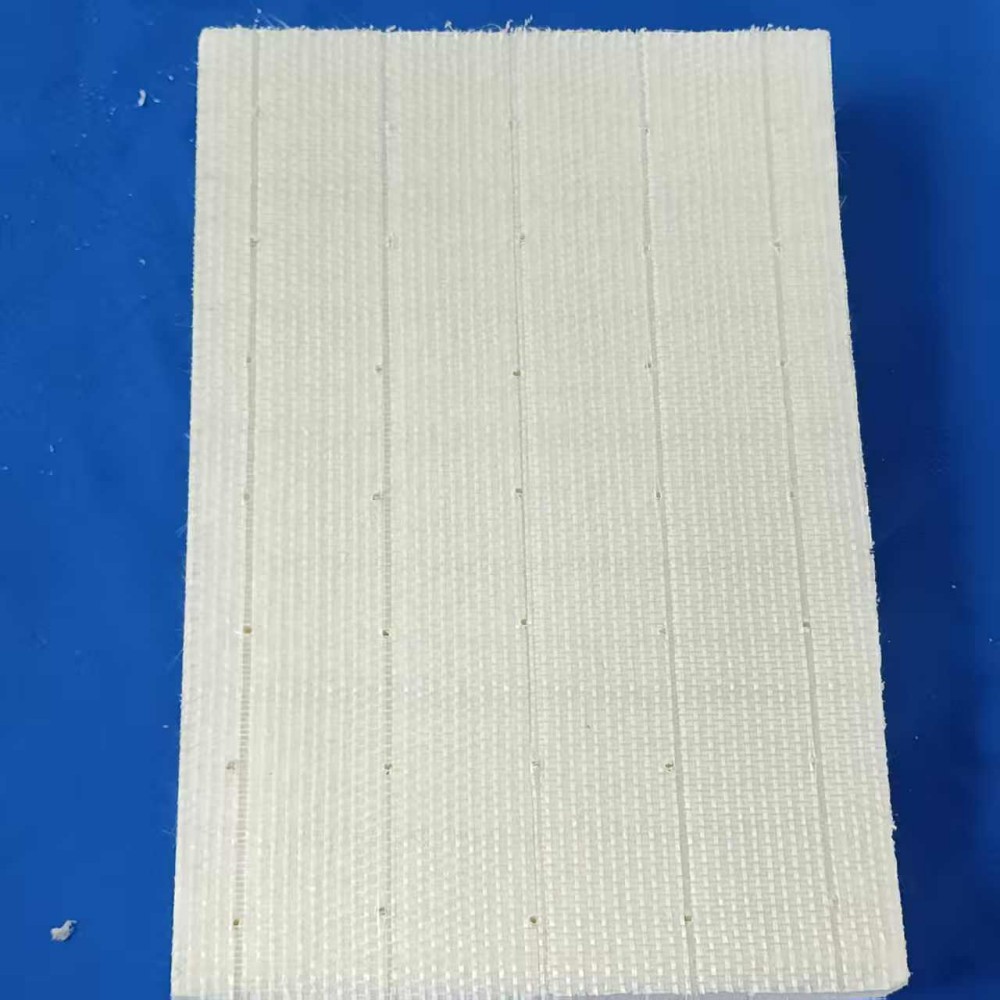
PET foam core for vacuum infusion may be supplied as plain sheets, grooved sheets, perforated sheets or combined finishing formats.
The correct arrangement depends on the resin system, laminate permeability, component geometry and infusion layout.
Grooves and perforations can provide resin flow paths, but they also introduce spaces that fill with resin. Their dimensions and distribution therefore affect both processing and finished weight.
Faster Resin Flow Is Only One Objective
A finishing pattern should support complete wet-out within the available processing window while keeping resin consumption and laminate quality under control.
Increasing the number or size of flow channels without validation may add unnecessary resin. A pattern already qualified for another blade component may also need adjustment for a shear web.
Evaluate Actual Resin Uptake
Closed-cell PET foam can still retain resin in exposed surface cells, grooves, holes and joints. “Closed-cell” does not mean zero resin uptake.
For a meaningful comparison, test the actual sheet finish and processing arrangement proposed for production.
Useful measurements include dry core weight, resin consumption, cured panel weight and infusion time. Surface wet-out, visible defects and section quality should also be inspected to understand how the selected finishing pattern performs.
The aim is to evaluate the finished sandwich rather than comparing dry foam prices alone.
Consider Surface-Sealed PET Foam Where Appropriate
Surface sealing may be considered where reducing resin uptake is important. Its suitability should be assessed together with bonding performance and infusion behavior.
For any sealed PET foam core, confirm the supplied surface condition, compatibility with the chosen resin and whether additional preparation is required.
A surface treatment should not be selected solely because it lowers measured resin consumption. The resulting skin-to-core interface must also meet the project requirements.
Skin-to-Core Bonding and Surface Preparation
Supply a Clean, Consistent Surface
Reliable bonding requires a controlled core surface. Dust from machining, handling contamination and damage can interfere with consistent processing.
PET foam sheets and kit parts should be inspected before layup. Preparation should follow an agreed procedure appropriate to the foam grade and resin system.
If sanding or another treatment is specified, define the method clearly. Uncontrolled preparation can change surface texture, remove material unevenly or introduce additional variation.
Avoid Unqualified Preparation Methods
Solvents, primers and cleaning agents should not be introduced without checking compatibility. A familiar cleaning method from another material may not be suitable for the selected foam or bonding process.
Validate the Interface in Representative Panels
Resin compatibility is necessary, but it does not by itself establish a reliable sandwich bond.
Representative testing should assess the chosen PET foam surface, laminate system and manufacturing cycle together. Where required, the evaluation should include conditioned specimens and relevant failure modes.
The objective is to confirm that production can consistently create the intended interface rather than relying only on successful wetting during an initial trial.
CNC Cutting, Core Kits and Assembly Accuracy
Control Thickness, Edges and Part Geometry
Accurate core components help maintain the intended sandwich geometry and reduce fitting work during layup.
For CNC-cut PET foam core kits, drawings should define the dimensions that matter to assembly and structural performance.
Typical inspection points include sheet and finished part thickness, overall dimensions, edge profiles and bevels. Groove positions, perforation positions and local transitions should also be checked, together with part identification and material orientation.
Tolerances should reflect the actual design and manufacturing needs. Applying unnecessarily tight tolerances everywhere can increase cost without improving the finished component.
Manage Joints and Gaps
Poorly fitted core pieces can leave unintended gaps that fill with resin or require additional correction.
Joint geometry and permitted gaps should follow the approved manufacturing specification. Operators should not have to decide independently how much spacing is acceptable.
Follow the Approved Repair Procedure
Damaged edges, missing material and excessive gaps should be handled through a defined repair or rejection process. Adding neat resin or an unapproved filler is not automatically an acceptable correction.
Organize Kits Around the Layup Sequence
A practical core kit should be easy to identify and install. Clear part labels, drawing references and packing order can support consistent assembly.
For repeated production, the kit revision should match the current component drawing. Changes to geometry or finishing patterns should be controlled so older and newer parts are not unintentionally mixed.
Quality Documentation and Material Qualification
Define the Purchase Specification
A clear purchase specification helps the buyer and supplier work to the same requirements.
It should identify the PET foam grade, density designation, sheet thickness, finishing pattern, dimensional tolerances, material direction and required documents.
Where mechanical acceptance values apply, specify the relevant test methods and whether the requirements refer to minimum, average or other agreed values.
Review Certification Scope
Where a project requires material certification, confirm that the certificate covers the actual grade and supplied form.
Material certification does not automatically approve every blade design, machining pattern or manufacturing process. Project-specific qualification remains necessary where required by the customer.
Maintain Batch Traceability
Batch identification should connect delivered sheets or kit parts with the relevant quality records. This supports incoming inspection and helps investigate variations if a manufacturing issue occurs.
Changes to the material grade, surface finish or production arrangement should be communicated and reviewed through the agreed change-control process.
How JLON Supports PET Foam Core Sourcing
JLON supplies PET foam core sheets and customized processing formats, including grooving, perforation, CNC cutting and drawing-based core kits.
For wind energy inquiries, the most useful starting point is a clear description of the application and its approved requirements.
Buyers can provide the required material grade or performance specification, density, thickness and sheet dimensions. For customized PET foam core kits, component drawings, material orientation requirements and the specified surface finish or infusion pattern should also be included.
The resin system, cure conditions, inspection criteria and documentation requirements help define the remaining technical details.
This information helps JLON review the supply scope and identify which product data, samples and processing details need confirmation.
JLON also supplies PVC foam core for wind energy sandwich structures. The choice between PET and PVC should follow the specified structural performance, processing conditions and customer qualification requirements.
Frequently Asked Questions
Can Any PET Foam Be Used in Wind Turbine Shear Webs?
No. The selected grade must satisfy the applicable structural, fatigue, bonding and processing requirements. PET foam supplied for another application should not be assumed suitable without evaluation.
What Density Is Required for a PET Foam Shear Web Core?
There is no single standard density for all shear webs. Density must be considered together with thickness, material direction, laminate design and the approved structural specification.
Does Grooving Reduce PET Foam Resin Uptake?
Grooving creates flow channels that generally retain resin after infusion. It should be selected to meet processing needs while controlling added resin and finished weight.
What Should Buyers Send JLON for a Technical Review?
Send the material specification, thickness, drawings, finishing pattern, resin system and processing conditions. Include required tests and certification details so the proposed PET foam core supply can be reviewed against the project requirements.
Contact JLON to discuss PET foam core sheets, infusion finishing and customized core kits for your wind turbine shear web project.


