



Table of Contents
However, not all PMI foam manufacturers offer the same product range. Differences in density, cell size, curing temperature, pressure resistance, dielectric properties, machining capability, quality control and international supply experience can significantly affect the performance and cost of a finished composite component.
This 2026 buyer’s guide introduces ten notable PMI foam manufacturers and suppliers worldwide. It also explains how to compare PMI foam core products and select a suitable supplier for your application.
The list includes both original PMI foam manufacturers and international suppliers or fabricators. It is not intended as an absolute quality ranking. Buyers should conduct material testing and supplier qualification according to their own technical and regulatory requirements.
What Is PMI Foam?
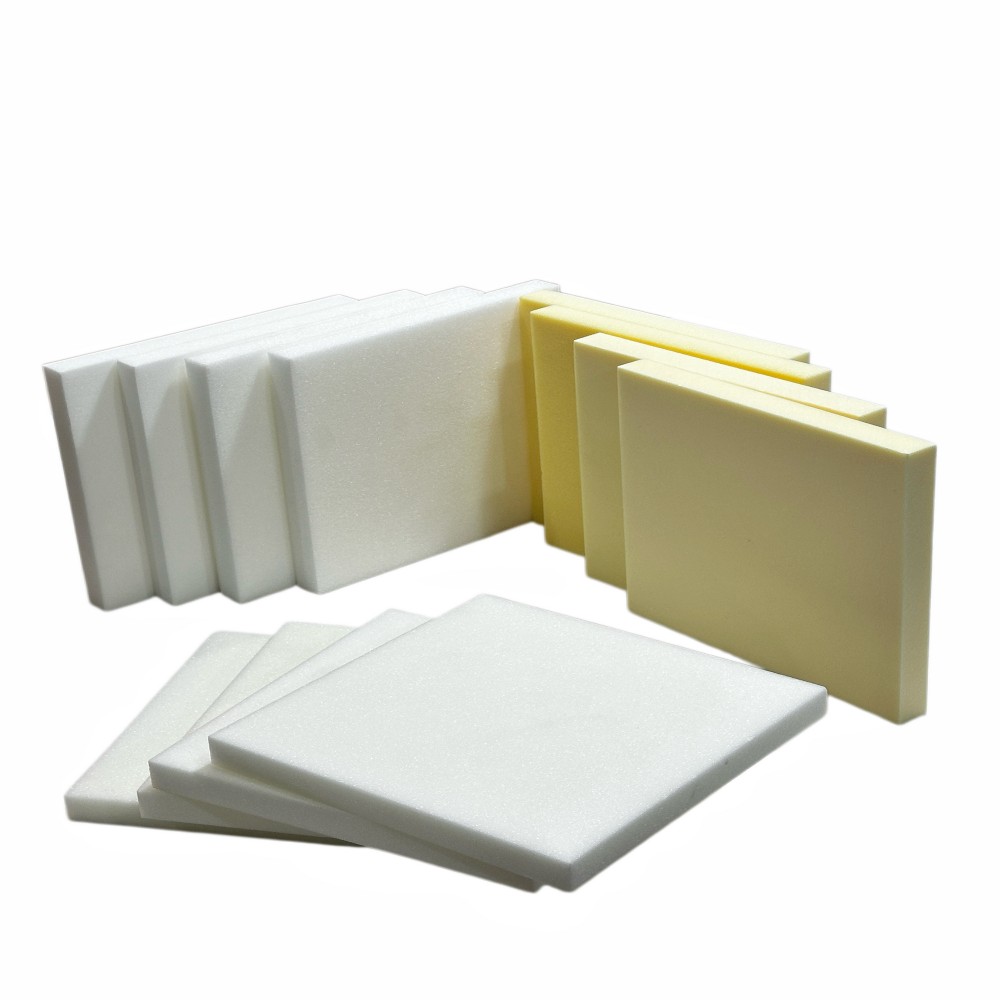
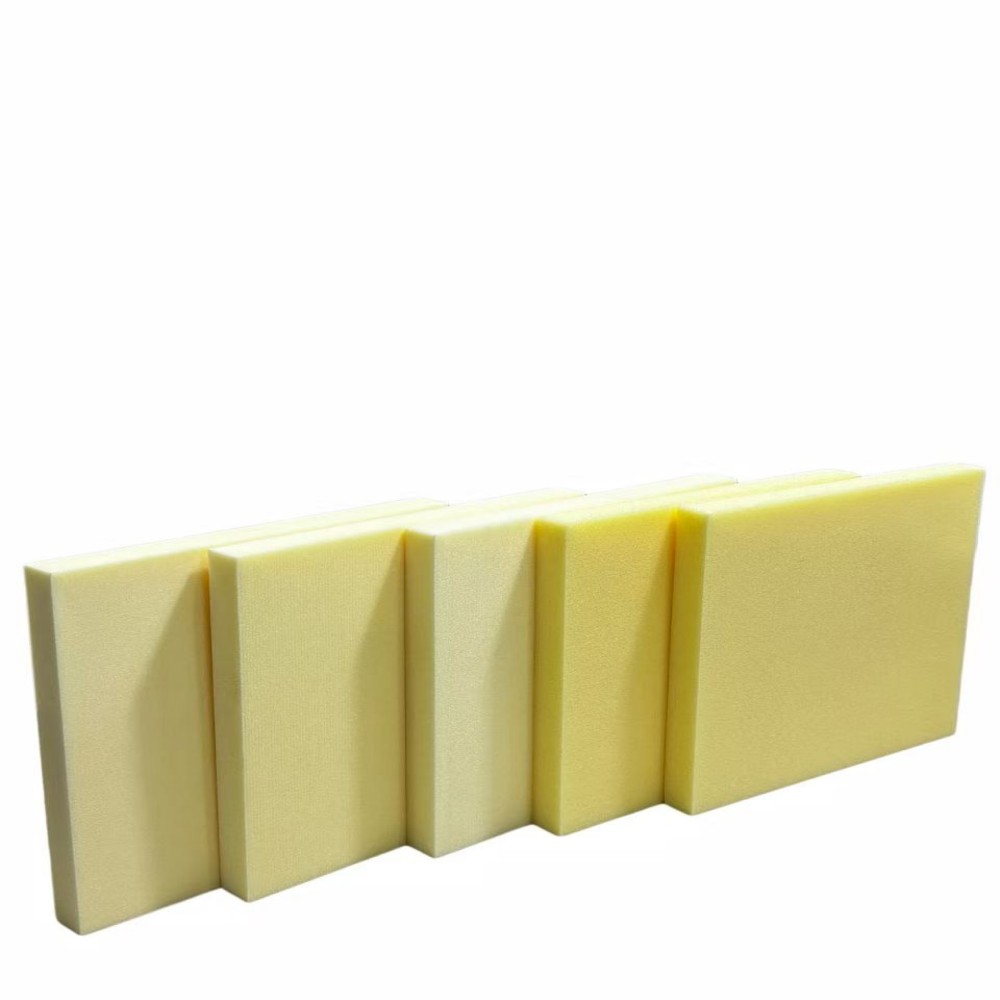
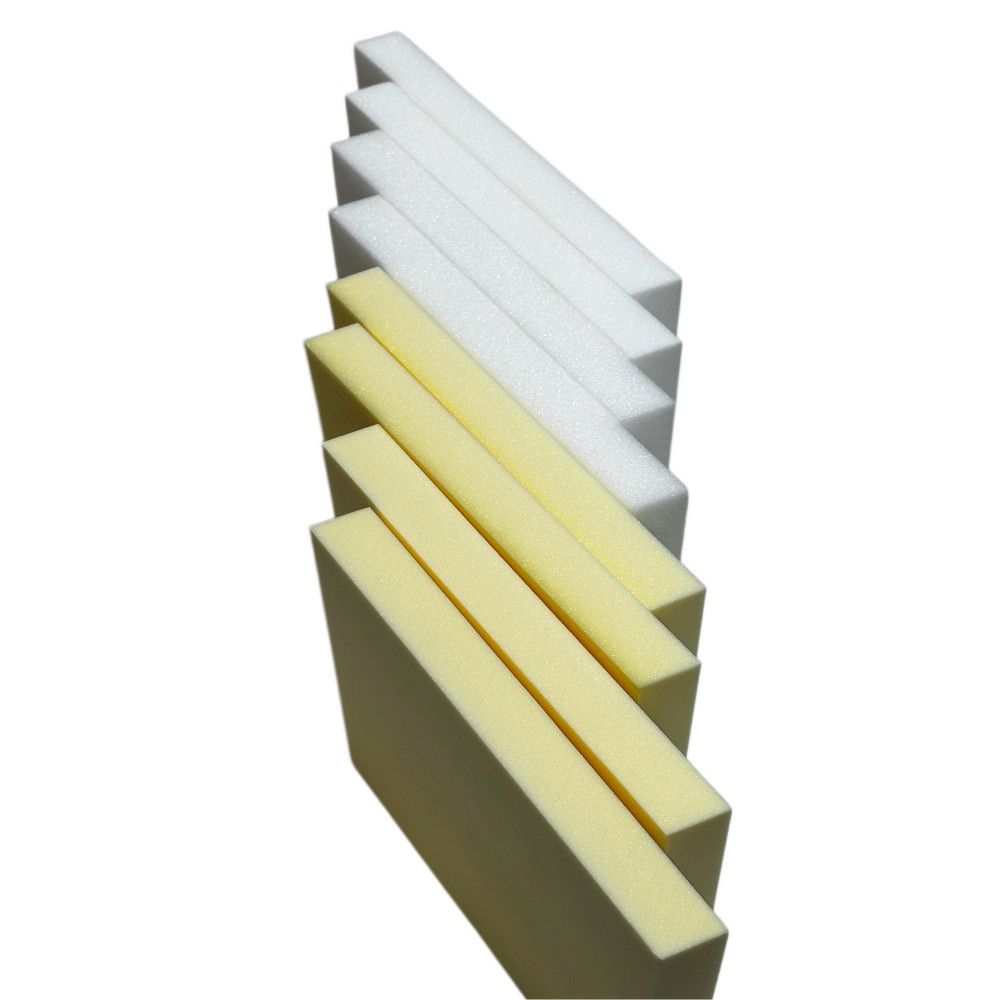
PMI foam is a rigid, closed-cell structural foam made from polymethacrylimide. It is normally used as the core between carbon fiber, fiberglass or metal skins to create a lightweight sandwich panel.
Compared with conventional PVC foam and PET foam, PMI structural foam generally offers higher specific mechanical properties and better resistance to elevated processing temperatures. It is therefore frequently selected for composite parts manufactured with prepreg, autoclave curing, vacuum bagging, resin transfer molding, vacuum infusion and other demanding processes.
Typical PMI foam applications include:
Aircraft structural and interior components
UAV wings, fuselages and control surfaces
Helicopter rotor blades
Radar and antenna radomes
Satellite and space structures
Medical X-ray and CT equipment
High-performance automotive components
Racing and motorsport parts
Sports equipment
Precision industrial sandwich panels
Important purchasing specifications include density, thickness, cell size, curing temperature, processing pressure, compressive strength, shear strength, dielectric performance and dimensional tolerance.
1. Evonik – ROHACELL®
Evonik is the developer and manufacturer of ROHACELL®, one of the best-known PMI foam brands in the global composite materials industry. ROHACELL has a long history in aerospace, automotive, medical technology, antennas, radomes, sports equipment and other high-performance sandwich structures.
The ROHACELL portfolio includes grades developed for different curing temperatures, pressures, cell structures and end-use requirements. Examples include:
ROHACELL WF and WF-HT for aerospace applications
ROHACELL XT and XT-HT for demanding high-temperature processing
ROHACELL HF for antennas, radomes and low-dielectric applications
ROHACELL RIMA for reduced resin uptake
ROHACELL EC for electromagnetic absorption applications
ROHACELL S for applications requiring improved fire behavior
Selected grades support autoclave processing at temperatures approaching 190°C and pressures up to approximately 0.7 MPa. Some grades can also undergo higher-temperature pressure-free post-curing.
Evonik is an important benchmark when engineers compare PMI foam performance. Its extensive grade portfolio and aerospace qualifications make ROHACELL particularly suitable for projects where established specifications, traceability and customer approvals are essential.
Buyers should confirm availability, minimum order quantities, lead time and whether a particular grade requires an approved regional distributor.
2. Jlon – Global PMI Foam Supplier and Processing Partner
Jlon supplies high-performance PMI foam core materials to customers in aerospace, UAV, radome, antenna, medical equipment, sports and advanced industrial composite markets.
Its PMI foam range includes different densities, cell sizes and processing-temperature options. The available series are designed to support different manufacturing conditions, including medium-temperature curing, high-temperature prepreg processing and autoclave applications.
Jlon supply capabilities include:
PMI foam sheets in multiple densities and thicknesses
Medium-, fine- and coarse-cell options
Grades for different curing temperatures and pressures
CNC machining of complex foam components
Custom sheet sizes and thickness tolerances
Thermoforming and bonded foam configurations
Prototype and production-volume support
Export packaging and international delivery
Technical comparison for customers evaluating ROHACELL alternatives
The company is especially relevant to buyers that require a balance of performance, customization, cost and supply flexibility. Instead of selecting PMI foam based only on density, Jlon can evaluate the customer’s curing cycle, resin system, pressure, required mechanical properties, part geometry and surface bonding requirements.
For critical applications, customers should complete sample testing, process trials and qualification before replacing an existing specified material.
3. Emkay Plastics – European ROHACELL Distributor and Processor
Emkay Plastics is a UK-based performance foam distributor and processor. It supplies ROHACELL grades and offers foam processing services for customers requiring prepared or machined structural foam cores.
A specialist distributor can offer advantages such as:
Regional availability
Technical assistance
Smaller purchasing quantities
Access to several ROHACELL grades
CNC-machined components
Local communication and delivery
Support for prototyping
Emkay may be particularly relevant to UK and European customers that require authentic ROHACELL products but prefer to work through a regional supplier.
Buyers should distinguish between the original foam manufacturer and the distributor or processor responsible for local stock, cutting and delivery.
4. GTeek – PMI Foam Distributor and Fabricator
GTeek supplies engineering plastics, foams and insulation materials to European industrial customers. Its PMI foam offering includes sheets, CNC processing and sandwich panel fabrication with different skin materials.
The company may serve customers requiring:
Small quantities
Prototype materials
CNC-machined foam
PMI foam sandwich panels
European distribution
Industrial rather than formally qualified aerospace applications
GTeek is better described as a distributor and fabricator than an original PMI foam manufacturer. Buyers with aerospace, defense or other regulated projects should verify material origin, batch traceability and qualification status.
How to Choose a PMI Foam Manufacturer or Supplier
A suitable PMI foam supplier should be selected based on the complete manufacturing process and application requirements—not price or density alone.
1. Density and Mechanical Performance
Common PMI foam densities cover a broad range, but two products with the same nominal density may not deliver identical compressive, tensile or shear performance.
Compare:
Compressive strength and modulus
Tensile strength
Shear strength and modulus
Fatigue behavior
Skin-to-core bonding performance
Strength after thermal exposure
2. Curing Temperature and Pressure
Provide the supplier with the complete curing cycle, including:
Heating rate
Maximum temperature
Hold time
Applied pressure
Number of curing and post-curing cycles
Resin system
A foam advertised as “high-temperature PMI foam” is not automatically suitable for every autoclave cycle.
3. Cell Size and Resin Uptake
Fine-cell PMI foam can help reduce surface resin consumption and final component weight. Medium- and coarse-cell products may provide stronger mechanical anchoring and higher skin-to-core peel performance in certain laminating systems.
The best cell size depends on the required balance between lightweight design and bonding performance.
4. Dielectric Properties
For radomes, antennas and RF-transparent structures, request test data for:
Dielectric constant
Dissipation factor
Test frequency
Density
Moisture condition
Temperature
Dielectric data without a stated test frequency and test method is difficult to compare.
5. Machining Capability
Complex UAV, aerospace and medical equipment parts may require:
Three-axis or five-axis CNC machining
Curved cores
Tight thickness tolerance
Stepped profiles
Drilling and pocketing
Bonded blocks
Thermoformed components
Inspection reports
Buying ready-to-use machined PMI foam cores can reduce material waste and internal production time.
6. Quality Documentation
For high-performance applications, ask for:
Technical data sheet
Certificate of analysis
Safety information
Batch identification
Test standards
Quality management certification
Dimensional inspection
Material traceability
Regulatory or customer approvals where applicable
Is Chinese PMI Foam a Suitable ROHACELL Alternative?
Chinese PMI foam can be a commercially attractive alternative for some UAV, radome, sports, medical and industrial composite projects. Potential benefits include competitive cost, customized dimensions, flexible machining and shorter production lead times.
However, “PMI foam” is a material category, not a guarantee of equivalent performance. A nominally similar density does not prove equivalence to a particular ROHACELL grade.
A responsible replacement program should include:
Verification of curing temperature and pressure resistance
Dimensional stability testing after the complete curing cycle
Mechanical testing of the foam and finished sandwich laminate
Resin uptake and peel-strength evaluation
Prototype component production
Qualification under actual service conditions
For regulated aerospace or defense projects, the material must also comply with the customer’s formal approval and traceability requirements.
Frequently Asked Questions
Who Is the Best-Known PMI Foam Manufacturer?
Evonik is the best-known global PMI foam manufacturer through its ROHACELL product family. Additional manufacturers now offer PMI structural foam for aerospace, UAV, radome, medical and industrial applications.
What Is the Difference Between a PMI Foam Manufacturer and Supplier?
A manufacturer produces the PMI foam material. A supplier may distribute foam produced by another company and provide value-added services such as cutting, CNC machining, technical selection, export packaging and international delivery.
What Density of PMI Foam Should I Choose?
The correct density depends on structural load, target weight, skin material, curing pressure, part geometry and safety factor. Density should not be selected independently from compressive and shear requirements.
Can PMI Foam Be Processed in an Autoclave?
Yes. Certain PMI foam grades are specifically designed for prepreg and autoclave processing. The permissible temperature and pressure vary by grade and density, so the complete curing cycle must be confirmed with the supplier.
Is PMI Foam Suitable for Radomes?
Yes. PMI foam is widely used in radomes and antenna structures because selected grades combine lightweight mechanical support with low dielectric constant and low dielectric loss. Frequency-specific test data should be checked before selection.
Can PMI Foam Be CNC Machined?
Yes. PMI foam can generally be milled, drilled, sanded, turned and CNC-machined into complex three-dimensional cores. Machining parameters and tolerances depend on density, cell structure and part geometry.
Conclusion
The global PMI foam market includes an established technology leader, several growing original manufacturers and a network of regional suppliers and processors. The best PMI foam manufacturer or supplier for a project depends on more than brand recognition.
Buyers should compare the exact grade, density, cell size, curing resistance, mechanical properties, dielectric requirements, documentation, machining capability, lead time and total delivered cost.
Evonik ROHACELL remains an important benchmark for formally qualified and highly demanding applications. Jlon and other international PMI foam suppliers provide additional options for customers seeking customized dimensions, flexible CNC processing, competitive supply and alternative material solutions.
Before placing a production order, request grade-specific technical data, samples and processing recommendations. Testing the material under the actual curing cycle and service environment remains the most reliable way to select a PMI foam core.
Looking for a PMI foam grade for aerospace, UAV, radome, medical or advanced composite applications?
Contact Jlon with your required density, thickness, sheet size, curing temperature, curing pressure, resin system and annual demand. Our team will recommend a suitable PMI foam core and provide technical data, samples or customized CNC processing support.


