



Unmanned aerial vehicles are becoming larger, faster and more capable. From mapping drones and industrial inspection platforms to long-endurance fixed-wing UAVs, designers must reduce structural weight without sacrificing stiffness, impact resistance or dimensional accuracy.
Composite sandwich construction is one of the most effective ways to achieve this balance. A lightweight foam core is bonded between carbon fiber or fiberglass skins, creating a structure that is considerably stiffer than a solid laminate of similar weight.
However, there is no single best foam core material for every UAV. PMI foam, PVC foam core and PET foam core each offer a different balance of weight, mechanical performance, processing temperature and cost.
The right choice depends on several factors:
• Whether the component is a wing, fuselage or internal structure
• Whether it is a primary or secondary load-bearing part
• The required stiffness-to-weight ratio
• Cure temperature and pressure
• Manufacturing method
• Impact and fatigue requirements
• Production volume and material budget
This guide compares PMI foam, PVC foam core and PET foam core for UAV wings and fuselages. It also explains how to select the appropriate material according to structural performance, manufacturing process and project cost.
Table of Contents
Why Are Foam Core Materials Used in UAV Structures?
In a composite sandwich panel, the outer carbon fiber or fiberglass skins carry tensile and compressive loads. The foam core separates the skins and transfers shear loads between them.
Increasing the distance between the skins can significantly improve bending stiffness without adding a large amount of material. This makes sandwich construction particularly valuable for UAV structures, where every reduction in weight can improve flight time, payload capacity and maneuverability.
Foam core materials can provide the following benefits:
• Reduced airframe weight
• Increased wing and fuselage stiffness
• Improved resistance to buckling
• Better dimensional stability
• Increased payload capacity
• Longer flight endurance
• Easier production of aerodynamic shapes
• Continuous bonding surfaces for composite skins
Compared with honeycomb core, structural foam is often easier to machine, shape and seal around inserts, edges and openings. Closed-cell foam core materials also provide good resistance to moisture penetration.
PMI foam, PVC foam and PET foam can all be used in UAV composite sandwich structures, but they are not interchangeable.
PMI vs PVC vs PET Foam: Main Differences
PMI foam offers the highest overall stiffness-to-weight performance and the best resistance to elevated processing temperatures. It is primarily used in high-performance wings, carbon fiber prepreg structures and primary load-bearing components.
PVC foam core provides a good balance of mechanical performance, impact resistance, processability and price. It is suitable for vacuum-infused wings, ribs, fairings, bulkheads and general fuselage structures.
PET foam core offers good compression performance, competitive cost and a recyclable thermoplastic base. It is generally more suitable for fuselage panels, payload structures and secondary sandwich components.
The final selection should not be based only on the type of polymer. Foam density, thickness, processing temperature, resin uptake and local loading conditions must also be considered.
PMI Foam for High-Performance UAV Wings
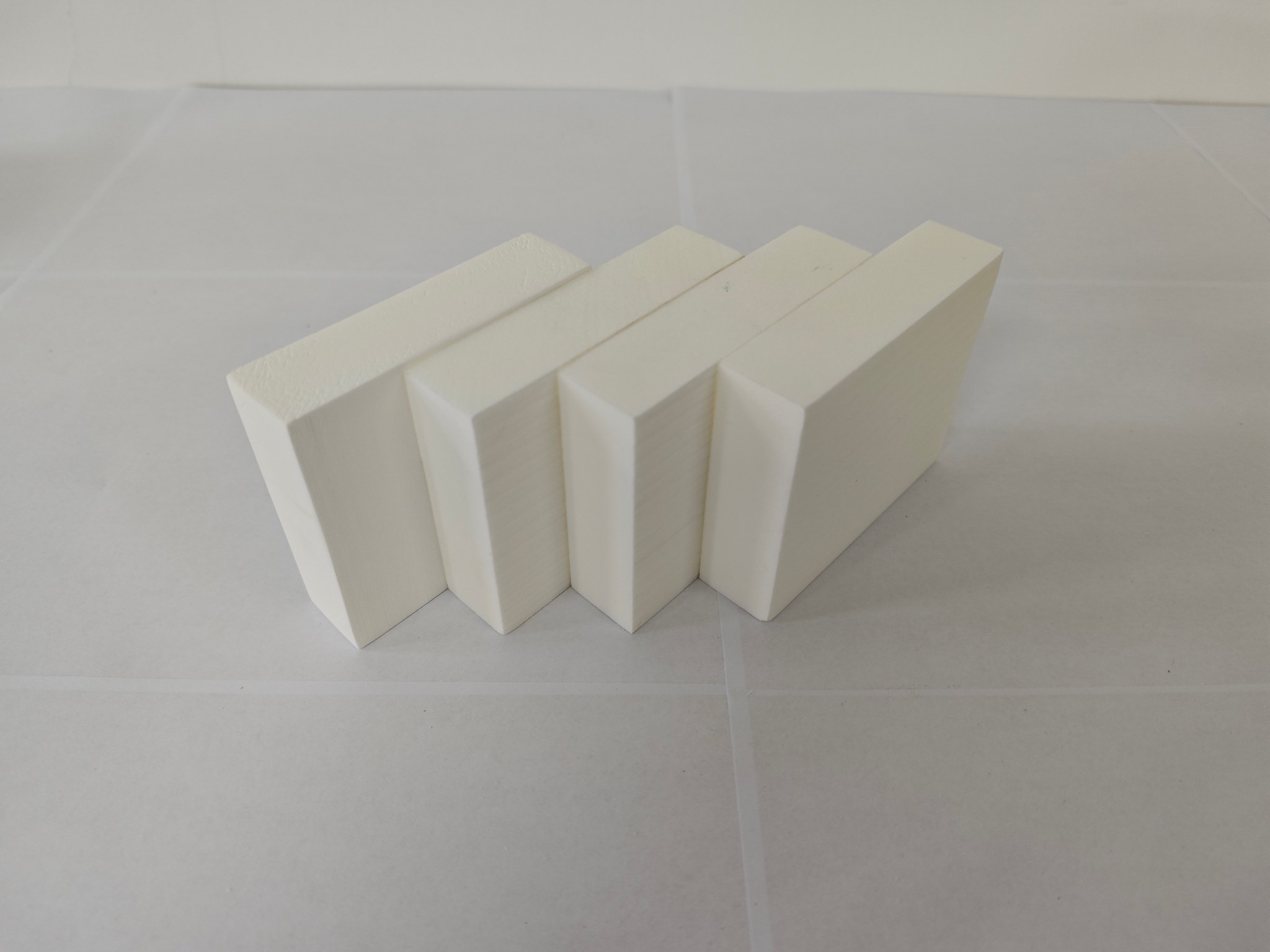
PMI, or polymethacrylimide foam, is a high-performance structural foam used where low weight, high stiffness and elevated-temperature processing are critical.
It is particularly suitable for carbon fiber UAV structures manufactured with prepreg and autoclave or heated-press processes. Appropriate PMI foam grades can maintain their dimensional stability under the temperature and pressure required for high-performance composite curing.
Typical PMI Foam Applications in UAVs
PMI foam can be used in:
• Fixed-wing UAV wing skins
• High-aspect-ratio wings
• Wing spars and shear webs
• Control surfaces
• Tail structures
• Propeller and rotor components
• Primary fuselage shells
• Internal structural frames
• High-load equipment panels
For a long-endurance fixed-wing UAV, wing deformation must be carefully controlled. Excessive deflection can change the aerodynamic profile, reduce control accuracy and decrease flight efficiency.
A PMI foam core can provide high shear stiffness and compressive performance at a relatively low density. This makes PMI attractive for primary structures in which the highest possible stiffness-to-weight ratio is required.
Advantages of PMI Foam
The main benefits of PMI foam include:
• High specific stiffness
• High compressive strength relative to weight
• Excellent dimensional stability
• Compatibility with elevated-temperature curing
• Good fatigue performance
• Accurate CNC machining
• Suitability for thin sandwich structures
• Good compatibility with carbon fiber prepreg systems
PMI foam is normally the preferred UAV wing core when the laminate uses high-temperature carbon fiber prepreg and the component must withstand an autoclave curing cycle.
Limitations of PMI Foam
PMI foam is more expensive than most PVC and PET foam grades. Its superior processing temperature and mechanical performance may not be necessary for every UAV.
For example, a commercial drone manufactured by room-temperature vacuum infusion may not benefit sufficiently from PMI to justify the additional material cost.
PMI foam is therefore most effective when used selectively in performance-critical areas, such as:
• Primary wing structures
• Wing spars
• High-load fuselage frames
• Control surfaces
• Components cured at elevated temperature
Secondary covers, fairings and lightly loaded panels may be manufactured more economically with PVC or PET foam.
PVC Foam Core for Cost-Effective UAV Structures
Cross-linked PVC foam core offers a practical balance of low weight, shear strength, toughness, machinability and cost.
It is widely used in composite sandwich structures manufactured by vacuum infusion, hand lay-up, resin transfer molding and low- or moderate-temperature curing.
For many industrial, surveying, agricultural and commercial UAVs, PVC foam provides sufficient mechanical performance without the higher cost of PMI.
Typical PVC Foam Core Applications in UAVs
PVC foam core can be used in:
• Vacuum-infused wing skins
• Wing ribs
• Bulkheads
• Fuselage shells
• Landing gear fairings
• Motor covers
• Battery covers
• Hatches and access panels
• Control surfaces
• Local reinforcement around inserts
Lower-density PVC foam can be selected for lightly loaded panels. Higher-density PVC foam can be used around hard points, fasteners, hinges, landing gear connections and equipment mounts.
Advantages of PVC Foam Core
PVC foam offers:
• Good shear strength
• Good fatigue resistance
• Excellent impact and damage tolerance
• Low water absorption
• Closed-cell structure
• Easy CNC machining
• Good bonding with common composite resin systems
• Multiple density and thickness options
• Compatibility with vacuum infusion
• Competitive overall cost
PVC foam is particularly useful for UAV components that may experience frequent handling, transportation, takeoff or landing impacts.
Its toughness makes it suitable for fairings, battery hatches, access panels and general-purpose airframe structures.
PVC Foam Processing Considerations
The curing cycle must be checked before selecting a PVC foam core.
Standard PVC foam grades are generally more suitable for room-temperature or moderate-temperature curing than for high-temperature aerospace autoclave processing.
Temperature limits vary according to grade and manufacturer. UAV manufacturers should evaluate:
• Maximum curing temperature
• Heating duration
• Autoclave or press pressure
• Foam density and thickness
• Tool geometry
• Resin exotherm
• Risk of cell deformation or core collapse
For low-temperature prepreg or vacuum infusion, PVC foam can be an efficient and economical alternative to PMI.
For demanding high-temperature co-curing, a suitable PMI foam is normally the safer choice.
PET Foam Core for UAV Fuselages and Secondary Structures
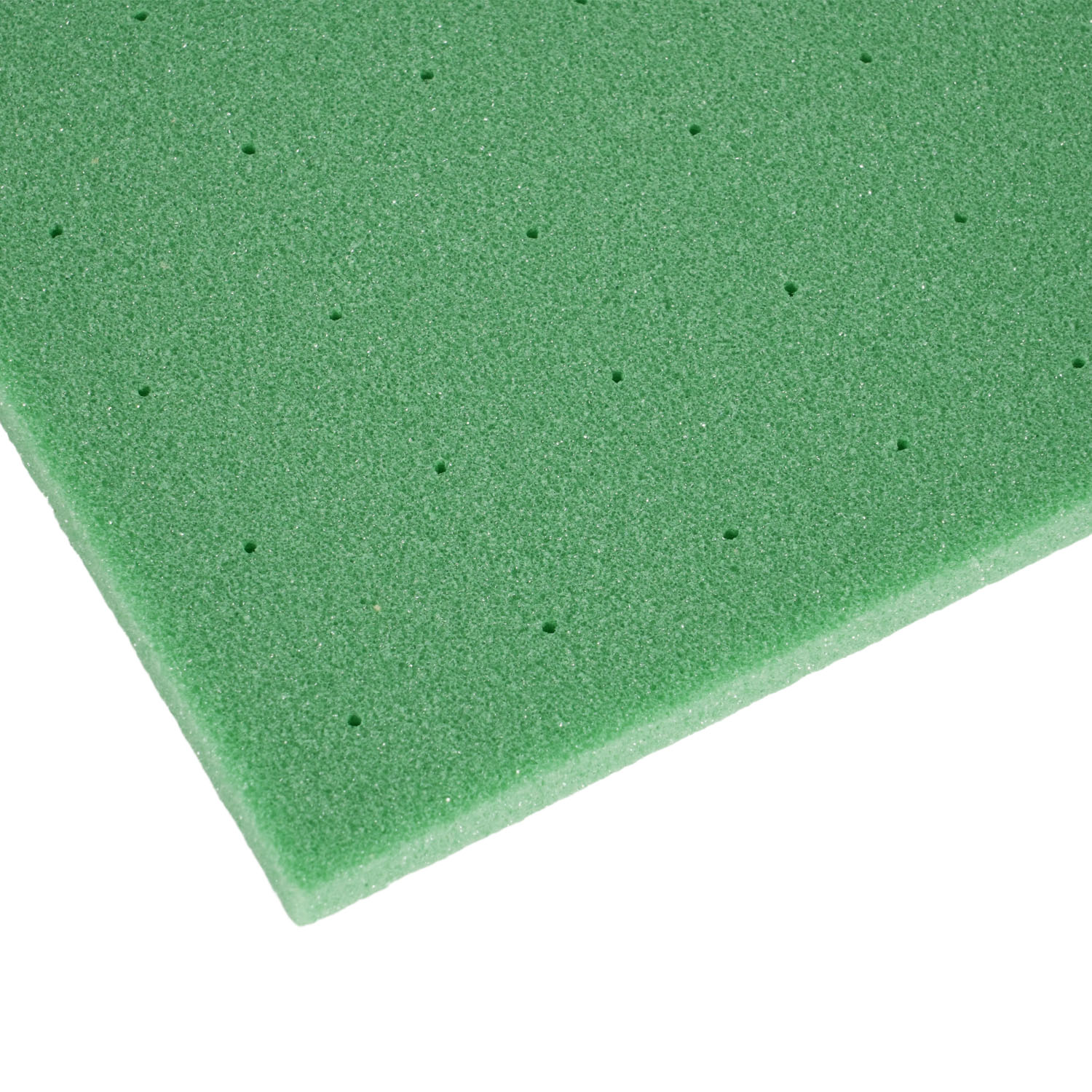
PET foam is a thermoplastic structural foam that combines mechanical performance, processing flexibility and competitive cost.
It is particularly attractive for UAV manufacturers seeking recyclable core materials or products manufactured with recycled PET content.
In UAV construction, PET foam is generally more suitable for fuselage panels and secondary structures than for the most weight-critical, high-performance wing components.
Typical PET Foam Core Applications in UAVs
PET foam can be considered for:
• Fuselage shells
• Payload bay panels
• Equipment compartments
• Battery enclosures
• Internal partitions
• Access doors
• Non-primary fairings
• Ground-control equipment housings
• Transport and protective structures
PET foam may also be used in moderately loaded wings when the selected density and grade meet the required shear, compression and fatigue performance.
However, PET should not be selected for a high-performance UAV wing only because it is economical or recyclable. The complete mechanical and processing requirements must be evaluated.
Advantages of PET Foam Core
PET foam can provide:
• Good compression performance
• Good thermal stability
• Compatibility with vacuum infusion
• Thermoforming capability
• Competitive material cost
• Recyclable thermoplastic chemistry
• Availability of recycled-content grades
• Suitability for thicker sandwich panels
For a UAV fuselage or payload compartment, PET foam can provide an effective balance between structural performance, panel thickness and cost.
Higher-density PET foam may also be used in areas requiring greater local compression resistance, provided that the sandwich structure is properly designed and tested.
PET Foam Processing Considerations
Resin uptake must be considered when PET foam is used in vacuum infusion.
Exposed cells, grooves, perforations and surface cuts may absorb additional resin. This increases the weight of the finished sandwich panel and can reduce the expected weight advantage of a low-density foam.
UAV designers should therefore compare the weight of the complete infused sandwich rather than comparing foam density alone.
The total weight may include:
• Dry foam core
• Absorbed resin
• Carbon fiber or fiberglass skins
• Adhesive films
• Surface fillers
• Local reinforcements
• Inserts and potting compounds
PET grades can also differ in brittleness, cell structure, thermoforming performance and temperature resistance. Processing trials should be conducted before series production.
Which Foam Core Is Best for UAV Wings?
The best foam core for UAV wings depends primarily on structural load, curing temperature and manufacturing process.
Choose PMI Foam When:
• The wing uses high-temperature carbon fiber prepreg
• Autoclave pressure will be applied
• Maximum stiffness-to-weight performance is required
• The UAV has a high-aspect-ratio wing
• Flight endurance is more important than material cost
• Dimensional stability during curing is critical
• The wing is a primary load-bearing structure
Choose PVC Foam Core When:
• The wing is manufactured by vacuum infusion
• The curing temperature is relatively low
• Good impact resistance is required
• The project has a controlled material budget
• The UAV is designed for commercial or industrial use
• The wing contains CNC-machined ribs or internal profiles
• A balance between performance and cost is required
Consider PET Foam When:
• The wing is a moderately loaded structure
• The selected grade meets the required shear and compression performance
• Recycled content or recyclability is a project priority
• The design requires a relatively thick core
• The curing process is compatible with the selected PET grade
For many high-performance fixed-wing UAVs, PMI is the preferred core for the main wing structure.
For cost-sensitive wings manufactured by vacuum infusion, PVC foam is often the more practical solution.
PET foam requires careful evaluation and is generally more suitable for moderately loaded or secondary structures.
Which Foam Core Is Best for UAV Fuselages?
UAV fuselages contain different structural zones. Some areas require high stiffness, while others require impact resistance, local compression strength or economical panel thickness.
PMI Foam for Primary Fuselage Structures
PMI foam is suitable for high-performance fuselage shells, primary frames and sections manufactured with high-temperature prepreg.
It is especially useful when the fuselage must maintain precise alignment for sensors, antennas, optical systems or communication equipment.
PVC Foam for General Fuselage Structures
PVC foam is a versatile choice for vacuum-infused fuselage shells, bulkheads, equipment covers and impact-prone panels.
Its toughness and machinability make it suitable for curved structures, cutouts, access openings and locally reinforced areas.
PET Foam for Secondary Fuselage Panels
PET foam is suitable for larger fuselage panels, payload compartments, internal partitions and secondary covers where cost and sustainability are important.
Higher-density PET may also be considered around equipment mounting areas after appropriate structural testing.
A well-optimized UAV does not always use one core material throughout the entire airframe. It may use PMI in primary wing structures, PVC in impact-resistant parts and PET in thicker secondary fuselage panels.
How to Select Foam Density and Thickness
Material type alone does not determine sandwich performance. Foam density and thickness are equally important.
Increasing foam thickness generally improves panel bending stiffness because it increases the distance between the composite skins.
Increasing foam density generally improves compression strength, shear strength and local load-bearing performance. However, it also increases structural weight.
A practical UAV design may use:
• Lower-density foam in wide, lightly loaded panels
• Higher-density foam near hinges, fasteners and inserts
• Thicker foam where panel stiffness is the main requirement
• PMI foam in thin, highly loaded components
• PVC foam in impact-sensitive areas
• PET foam in thicker secondary panels
Local reinforcement is often more efficient than using high-density foam throughout the entire component.
High-density inserts, bonded blocks or potting compounds can be added around:
• Bolts and fasteners
• Landing gear connections
• Motor mounts
• Wing attachment points
• Payload interfaces
• Battery supports
• Hinges and control mechanisms
The final foam density and thickness must be verified through structural calculations, prototype manufacturing and representative mechanical testing.
Additional Factors UAV Manufacturers Should Evaluate
Resin Compatibility
The foam core must be compatible with the selected epoxy, vinyl ester or other resin system.
Adhesion, chemical resistance, curing temperature and resin exotherm should all be evaluated before production.
Resin Uptake
Grooves, perforations and exposed cells can absorb resin during infusion.
Excessive resin absorption adds unnecessary weight and may reduce the expected benefit of using a low-density foam core.
Machining Accuracy
Thin UAV foam core sheets often require tight thickness tolerances.
CNC-machined wing profiles, tapered edges, channels and internal structures must retain their dimensions during handling, lay-up and curing.
Surface Preparation
Dust, contamination and damaged surface cells can reduce bonding quality.
The foam surface should be cleaned and prepared according to the requirements of the adhesive or resin system.
Inserts and Hard Points
Concentrated loads should not normally be transferred directly into low-density foam.
High-density inserts, bonded blocks, potting compounds or locally reinforced laminates are usually required around fasteners and structural connections.
Prototype Validation
Technical data sheets provide useful comparative information, but finished sandwich performance depends on the entire laminate system.
Representative test panels should be manufactured using the actual:
• Foam grade and density
• Core thickness
• Reinforcement material
• Resin or prepreg system
• Cure temperature
• Cure pressure
• Surface treatment
• Production process
How JLON Supports UAV Composite Manufacturing
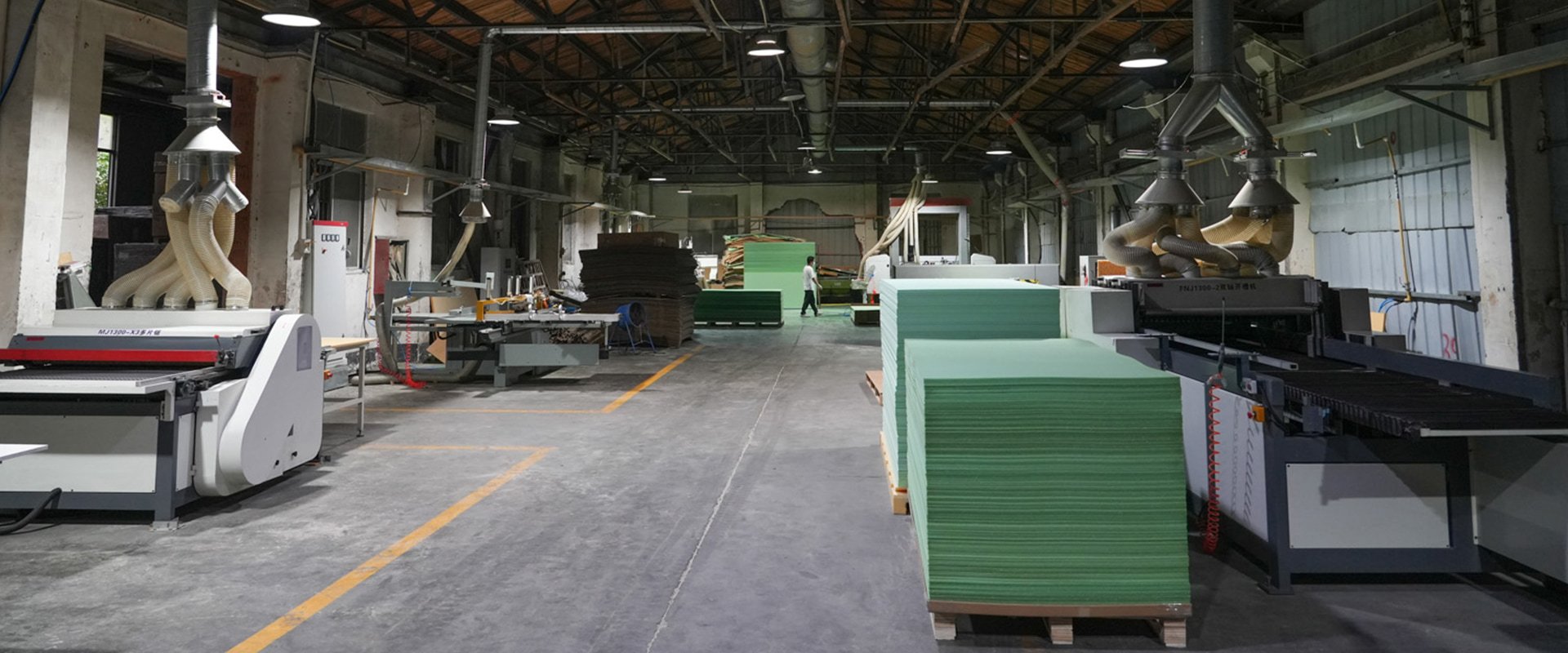
JLON supplies structural foam core materials and related composite materials for UAV wings, fuselages and internal structures.
Our UAV composite material portfolio includes:
• PMI foam for high-performance and elevated-temperature structures
• PVC foam core in multiple densities and thicknesses
• PET foam core for fuselage and secondary sandwich panels
• Thin foam sheets for weight-sensitive UAV components
• CNC-machined foam cores
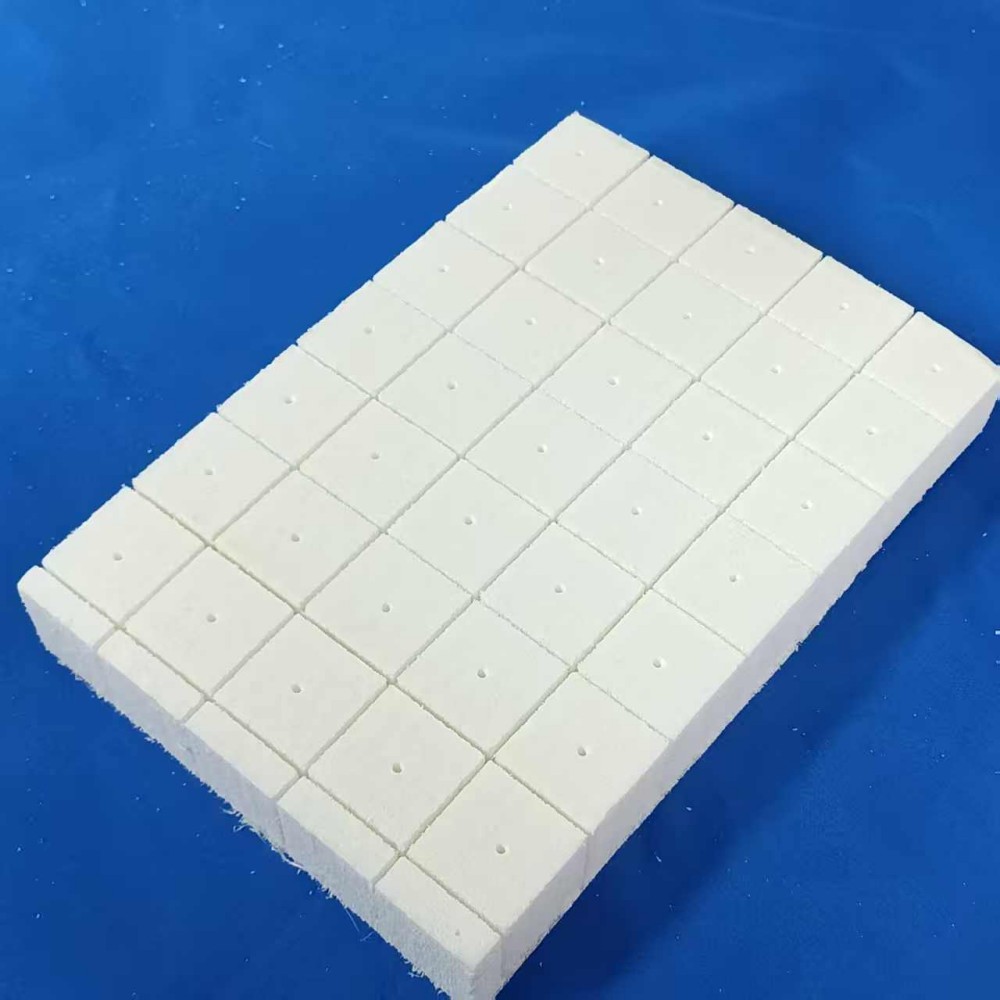
• Grooved, perforated and contour-cut foam sheets
• Carbon fiber fabric
• Fiberglass fabric
• Peel ply
• Release film
• Vacuum bagging film
• Flow media
• Other vacuum infusion consumables
JLON can supply standard foam core sheets or provide customized dimensions and machining according to customer drawings.
PVC and PET foam products with relevant DNV certification are available for projects requiring documented material qualification. Certification availability should be confirmed for the specific product grade.
JLON can help UAV manufacturers compare foam grades according to:
• Required density
• Core thickness
• Mechanical performance
• Resin system
• Curing temperature
• Processing pressure
• Surface treatment
• Annual demand
• Target material cost
Final Recommendation
PMI foam, PVC foam and PET foam all have suitable applications in UAV sandwich structures, but they should not be treated as interchangeable materials.
Choose PMI foam for high-performance UAV wings, primary structures and high-temperature prepreg processing. It provides the best overall combination of stiffness-to-weight performance, dimensional stability and elevated-temperature capability, although its cost is higher.
Choose PVC foam core for vacuum-infused wings, ribs, general fuselage structures, fairings and impact-resistant components. It provides one of the best combinations of structural performance, toughness, processability and cost.
Choose PET foam core for fuselage panels, payload areas and secondary structures where compression performance, economical panel thickness and sustainability are important.
In many UAVs, the most efficient solution is a hybrid material strategy rather than using one foam throughout the complete airframe.
Matching each foam core to the load, manufacturing process and function of the component can reduce weight and control cost without compromising structural reliability.
Contact JLON with your UAV component drawings, required density, thickness, resin system, curing temperature and estimated annual demand. Our team can recommend an appropriate PMI foam, PVC foam core or PET foam core and provide samples for manufacturing trials.
Frequently Asked Questions
What Is the Best Foam Core for a Carbon Fiber UAV Wing?
PMI foam is generally preferred for high-performance carbon fiber prepreg wings, especially when elevated-temperature curing or autoclave pressure is involved.
PVC foam can be a more economical choice for carbon fiber wings manufactured by vacuum infusion or lower-temperature processes.
Can PVC Foam Be Used in Fixed-Wing UAVs?
Yes. PVC foam core can be used in vacuum-infused wing skins, ribs, bulkheads, control surfaces and fuselage panels.
The selected PVC foam grade must be compatible with the curing temperature and structural requirements.
Is PET Foam Suitable for Drone Wings?
PET foam can be used in moderately loaded UAV wing structures when its mechanical properties and processing behavior meet the design requirements.
For highly weight-sensitive or primary wing structures, PMI or PVC foam is often more suitable.
What Foam Core Is Best for a UAV Fuselage?
PVC foam is a versatile choice for general fuselage structures. PMI foam is suitable for high-performance primary fuselage shells, while PET foam is attractive for thicker secondary panels and payload compartments.
Can Different Foam Core Materials Be Used in the Same UAV?
Yes. A hybrid design may use PMI foam in primary wing structures, PVC foam in impact-resistant components and PET foam in secondary fuselage panels.
This approach can balance weight, performance and cost.
Can JLON Provide Custom-Machined UAV Foam Cores?
Yes. JLON can provide standard foam core sheets as well as CNC-machined, grooved, perforated, tapered and contour-cut components according to customer drawings and manufacturing requirements.


